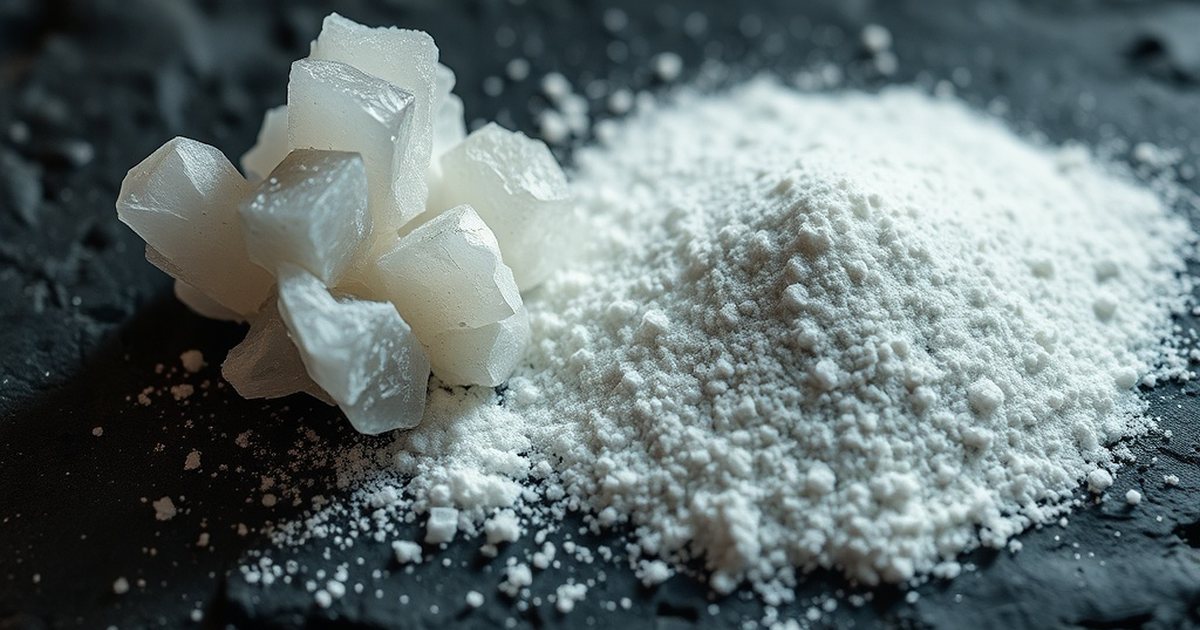
Clinoptilolite, the zeolite mineral most often sold as a gut and detox supplement, has picked up a secondary reputation online as a blood sugar aid. The claim usually rests on the idea that a porous mineral that binds ions and small molecules in the gut might also bind glucose, or otherwise blunt the metabolic stress that comes with high blood sugar. That mechanism is plausible on paper, but the research behind it is almost entirely non-human, and what exists is a mix of in vitro adsorption work, rodent diabetes models, and dairy cattle metabolic studies.
This article walks through what’s actually been tested, in what species, and what it would take to call any of it evidence for human blood sugar management. None of the studies below were done in people with diabetes or prediabetes, so anything here should be read as “early signal in animals and lab models,” not a validated intervention.
Key Takeaways
- In vitro and rodent research shows clinoptilolite zeolite can adsorb glucose and lower blood glucose (nano-sized form only) in a type 1 diabetes rat model, without significantly changing oxidative stress markers [1] [2], but this is not human clinical evidence.
- Most other available zeolite metabolic data comes from dairy cattle studies on ketosis, nitrate toxicity, and heavy metal/inflammatory markers [3] [4] [5], which are a different species and a different physiological context than human blood sugar regulation.
- No controlled human trial has measured fasting glucose, HbA1c, or postprandial glucose response after zeolite supplementation.
- Because zeolite is a mined mineral, heavy metal contamination varies by source, third-party COA testing matters more here than for many other supplements.
- This research should be read as an early, mechanism-stage hypothesis, not a basis for adjusting diabetes management.
The core idea: can zeolite physically bind glucose?
The most direct piece of evidence is a 2023 study testing whether clinoptilolite zeolite can adsorb d-glucose, both in a test tube and in a living system [1]. This is the closest thing to a mechanistic test of the “zeolite soaks up sugar” claim, since it looks at the physical binding behavior of the mineral’s cage-like lattice rather than a downstream health outcome. Adsorption in vitro doesn’t automatically translate into a clinically meaningful drop in blood glucose in a living organism, but it’s a reasonable starting point for the hypothesis.

It’s worth being precise about what this kind of study can and can’t tell us. An adsorption study establishes that a interaction is chemically possible under lab conditions. It does not establish a dose, a duration, or a magnitude of effect in a person eating a normal diet with normal digestive transit time. That gap between benchtop chemistry and real-world physiology is where a lot of supplement claims quietly overreach.
Rodent diabetes models: clinoptilolite and glucose control
A 2018 study in the Canadian Journal of Diabetes looked at natural and nano-sized clinoptilolite supplementation in rats with type 1 diabetes, tracking glucose levels and oxidative stress markers [2]. Type 1 diabetes in rats is typically induced chemically to destroy insulin-producing cells, which makes this a model of insulin deficiency rather than the insulin resistance seen in type 2 diabetes, an important distinction since the two conditions have different underlying physiology.
This study also measured oxidative stress, not just glucose, which reflects a common secondary hypothesis in zeolite research, that trapping certain reactive compounds or trace metals in the gut could reduce systemic oxidative burden, which is elevated in both diabetes types. Whether a rat model of type 1 diabetes generalizes to human type 2 diabetes, which is far more common and metabolically different, is an open question this study can’t answer on its own.
What dairy cattle studies add, and why they matter less than they sound
Several of the available studies come from dairy cattle nutrition research, which uses clinoptilolite as a feed additive for reasons that only partly overlap with human blood sugar interest. A 2006 study fed dairy cows a clinoptilolite-supplemented diet long-term and tracked ketosis incidence, milk yield, and liver function [3]. Ketosis in dairy cows is a metabolic disorder related to negative energy balance around calving, not the same physiology as human blood sugar regulation, but liver function and energy metabolism markers are at least in the same broad metabolic neighborhood.

A 2015 study examined cattle drinking water with elevated nitrate levels and used clinoptilolite to help offset resulting metabolic disruption [4]. This is really a study about nitrate toxicity mitigation, with metabolic parameters as the outcome measure, not a direct test of blood sugar management. A separate 2022 study in dairy cows looked at clinoptilolite’s effect on heavy metal levels in milk alongside inflammatory cytokines (IL-1β and IL-6) and oxidative stress [5], which speaks to the mineral’s binding and anti-inflammatory profile in a food-animal context rather than glucose control specifically.
These veterinary studies are real data, and they’re useful for understanding clinoptilolite’s general behavior in a living digestive system, binding contaminants, interacting with liver and inflammatory markers, and so on. But treating cattle metabolic research as blood sugar evidence for humans is a stretch. Cattle are ruminants with a fundamentally different digestive and glucose-handling system than humans, and none of these studies were designed to test glycemic control as a primary endpoint.
A tangential but relevant data point: neuroprotection and metabolic pathways
A 2024 study looked at whether punicalagin and micronized zeolite clinoptilolite had neuroprotective effects in a rat model of manganese-induced Parkinson’s disease, and examined multiple biological pathways involved [6]. This isn’t a blood sugar study, but it’s included here because it illustrates the same underlying question that runs through all this research: does zeolite’s ion-binding and antioxidant activity in the gut translate into measurable systemic effects elsewhere in the body. The answer in that specific study was about neuroprotection, not glycemic control, and readers shouldn’t extrapolate a Parkinson’s model to a blood sugar claim.

Taken together, the available evidence forms a mechanistic story, glucose adsorption is chemically demonstrated [1], a rodent model showed a glucose-lowering effect of nano-sized clinoptilolite, but no significant change in oxidative stress, in type 1 diabetes [2], and several animal studies show broader metabolic and anti-inflammatory activity [5] [3] [4]. What’s missing is the piece that would actually support a human blood sugar claim: a controlled human trial measuring fasting glucose, HbA1c, or postprandial glucose response.
The purity and sourcing issue matters more here
Because clinoptilolite is a mined mineral, contamination with lead or other heavy metals varies significantly by source and processing method. This is a separate issue from whether zeolite affects blood sugar, but it’s arguably more important for anyone considering it: a product’s actual composition depends on where and how it was mined and purified, not just its label claim. Third-party certificate of analysis (COA) verification for heavy metals matters more for zeolite than for many other supplement categories precisely because of this sourcing variability.
Where this leaves the "zeolite for blood sugar" claim
The honest summary is: there’s a plausible mechanism (ion and molecule binding via the mineral’s lattice structure), some supportive animal and in vitro data touching on glucose and oxidative stress [1] [2], and a broader body of animal research showing clinoptilolite affects metabolic and inflammatory markers in other contexts [5] [3] [4]. None of this constitutes evidence that zeolite lowers blood sugar in humans, manages diabetes, or should replace any part of a standard glucose management plan. The FDA has not evaluated zeolite for any health claim, and it should not be treated as a substitute for medications, monitoring, or medical guidance around blood sugar.

🛒 Where to Buy Zeolite (Clinoptilolite)
- CleanseParasites Heavy Metal + Microplastics Binder Editor’s Pick
Contains zeolite alongside milk thistle, spirulina, and other binder herbs. - Touchstone Essentials Pure Body Extra Strength Zeolite
liquid, 1 tbsp (15 mL) — Best-known liquid nano-zeolite brand; MLM pricing but widely trusted in alt-health community - BodyBio Zeolite Powder
powder, 1/2 tsp — Practitioner-oriented brand, micronized clinoptilolite powder - Pure Zeolite Zeolite Powder (Ultimate Detox Clay)
powder, 1/4-1 tsp — Budget-friendly micronized powder - Zeo Health ZeoCharge
powder, 1/2 tsp — Long-standing niche zeolite brand, ultra-fine micronized clinoptilolite
As an Amazon Associate we earn from qualifying purchases. Quality varies widely — always choose a product with a published third-party test (COA) before buying.
A Note on the Evidence
This article summarizes early-stage in vitro, rodent, and dairy cattle research, none of it demonstrates a blood sugar benefit in humans. This is informational content, not medical advice, anyone considering zeolite for any health purpose, especially alongside diabetes management, should talk to a doctor and verify product purity via third-party testing first.

Frequently Asked Questions
Does zeolite lower blood sugar in humans?
No human clinical trial has measured zeolite’s effect on blood sugar. The available data is limited to in vitro glucose adsorption testing and a rodent type 1 diabetes model [1] [2], which is not the same as demonstrated human efficacy.
Can zeolite replace diabetes medication?
No. There is no evidence supporting this, and doing so could be dangerous. Anyone managing diabetes should continue prescribed medication and monitoring, and discuss any supplement use with their doctor first.
What's the proposed mechanism for zeolite and glucose?
Clinoptilolite’s cage-like crystal structure can bind certain molecules and ions through adsorption and ion exchange, and lab testing has shown it can adsorb d-glucose in vitro and in vivo [1]. Whether this translates into a meaningful reduction in blood glucose during normal digestion in humans has not been tested.
Are the dairy cattle studies relevant to human blood sugar?
Only indirectly. Cattle studies on clinoptilolite and ketosis [3], nitrate-related metabolic disruption [4], and heavy metal/inflammatory markers [5] show the mineral affects metabolic and inflammatory processes in a living digestive system, but ruminant digestion and glucose handling differ substantially from human physiology, so these findings can’t be directly extrapolated.

Is zeolite safe to take for blood sugar support?
Safety depends heavily on product purity, since zeolite is a mined mineral with source-dependent heavy metal risk. Independent of the blood sugar question, anyone considering it should look for third-party contaminant testing and talk to a doctor first, especially if pregnant, on other medications, or managing an existing health condition.
What research is still missing?
A controlled human trial measuring fasting glucose, HbA1c, or postprandial glucose response in people with prediabetes or type 2 diabetes. Without that, any blood sugar claim for zeolite in humans remains an early hypothesis, not an established effect.
References
- Markoska R et al. Study of zeolite clinoptilolite d-glucose adsorption properties in vitro and in vivo. Chemico-biological interactions (2023). PMID 37482210
- Hossein Nia B et al. The Effects of Natural Clinoptilolite and Nano-Sized Clinoptilolite Supplementation on Glucose Levels and Oxidative Stress in Rats With Type 1 Diabetes. Canadian journal of diabetes (2018). PMID 28506813
- Katsoulos PD et al. Effects of long-term feeding of a diet supplemented with clinoptilolite to dairy cows on the incidence of ketosis, milk yield and liver function. The Veterinary record (2006). PMID 16997998
- Katsoulos PD et al. Effects of prolonged consumption of water with elevated nitrate levels on certain metabolic parameters of dairy cattle and use of clinoptilolite for their amelioration. Environmental science and pollution research international (2015). PMID 25874417
- Kurtdede E et al. Effects of clinoptilolite on heavy metal levels in milk, proinflammatory cytokine responses (IL-1β and IL-6) and oxidative stress in dairy cows. Acta veterinaria Hungarica (2022). PMID 36350569
- Abu-Elfotuh K et al. Neuroprotective effects of punicalagin and/or micronized zeolite clinoptilolite on manganese-induced Parkinson's disease in a rat model: Involvement of multiple pathways. CNS neuroscience & therapeutics (2024). PMID 39374157
These statements have not been evaluated by the Food and Drug Administration. This information is not intended to diagnose, treat, cure, or prevent any disease. Content is for informational purposes only and is not medical advice; consult a qualified healthcare provider before starting any supplement. As an Amazon Associate we earn from qualifying purchases.