When people researching mold illness or “detox” protocols look for a mycotoxin binder, they usually run into two very different names: cholestyramine, a decades-old prescription cholesterol drug repurposed off-label for biotoxin illness, and zeolite, a mined mineral sold over the counter as a supplement. Both get marketed with similar language — “binds toxins,” “removes mycotoxins,” “supports detox” — but the evidence behind each is not remotely comparable.
This article lines up what has actually been studied for each substance, so the difference between a bile-acid sequestrant with clinical trial data and a mineral with animal-feed data is clear before you decide anything.
Key Takeaways
- Cholestyramine has published in vitro and in vivo binding data for specific mycotoxins (fumonisin, zearalenone) and a published clinical trial in patients with biotoxin-associated illness [1] [2] [3].
- Zeolite’s mycotoxin-binding evidence is limited to in vitro assays and livestock feed studies — there is no published human trial of oral zeolite for mycotoxin binding or CIRS [4].
- Cholestyramine is a prescription-only drug with a defined, if off-label, clinical use; zeolite is an unregulated supplement with no established human dose for this purpose.
- Both approaches carry a real risk of interfering with nutrient and medication absorption, because neither binder can fully distinguish toxins from things the body needs [5] [6].
What Cholestyramine Is and How It Binds
Cholestyramine is a bile-acid sequestrant, a resin that has been FDA-approved since the 1970s for lowering cholesterol. It works by binding bile acids (and other compounds) in the small intestine and carrying them out in the stool instead of letting them be reabsorbed. Because it is not itself absorbed into the bloodstream, its binding action is confined to the gut, which is the same basic logic behind its off-label use for biotoxin illness.
Laboratory testing has directly measured cholestyramine’s ability to bind specific mycotoxins. In vitro and in vivo work found cholestyramine effectively bound fumonisins, reducing their bioavailability [1]. A separate study in mice found cholestyramine reduced measurable zearalenone toxicity when administered alongside the mycotoxin [2]. A review of adsorbent materials for Fusarium mycotoxin detoxification also discusses cholestyramine’s binding profile relative to other agents [7].
The Clinical Trial Behind Cholestyramine’s Off-Label Use
The off-label use of cholestyramine for mold/biotoxin illness traces back largely to research by physician Ritchie Shoemaker, whose published work on “sick building syndrome” included a time-series study and a clinical trial component examining patients exposed to water-damaged buildings [3]. This is a meaningfully different evidence tier than anything available for zeolite: it is human data, published in a peer-reviewed journal, from patients with the exposure history the treatment targets.
That said, this evidence base has real limits. The CIRS framework itself remains scientifically contested, larger independent randomized controlled trials are lacking, and cholestyramine’s approval by the FDA covers cholesterol management, not mycotoxin binding — its use here is off-label and requires a prescribing physician.
What Zeolite’s Evidence Base Actually Looks Like
Zeolite (clinoptilolite) has real, chemically plausible mycotoxin-binding capacity, demonstrated in vitro and in livestock feed studies. A comparison of clay minerals and other binders found zeolites could bind certain mycotoxins, particularly aflatoxins, though binding capacity varied considerably by toxin type [4]. A broader review of mycotoxin binders in animal feed situates zeolite among several clay-based options, again with toxin-specific efficacy and a documented risk of interfering with nutrient absorption [5].
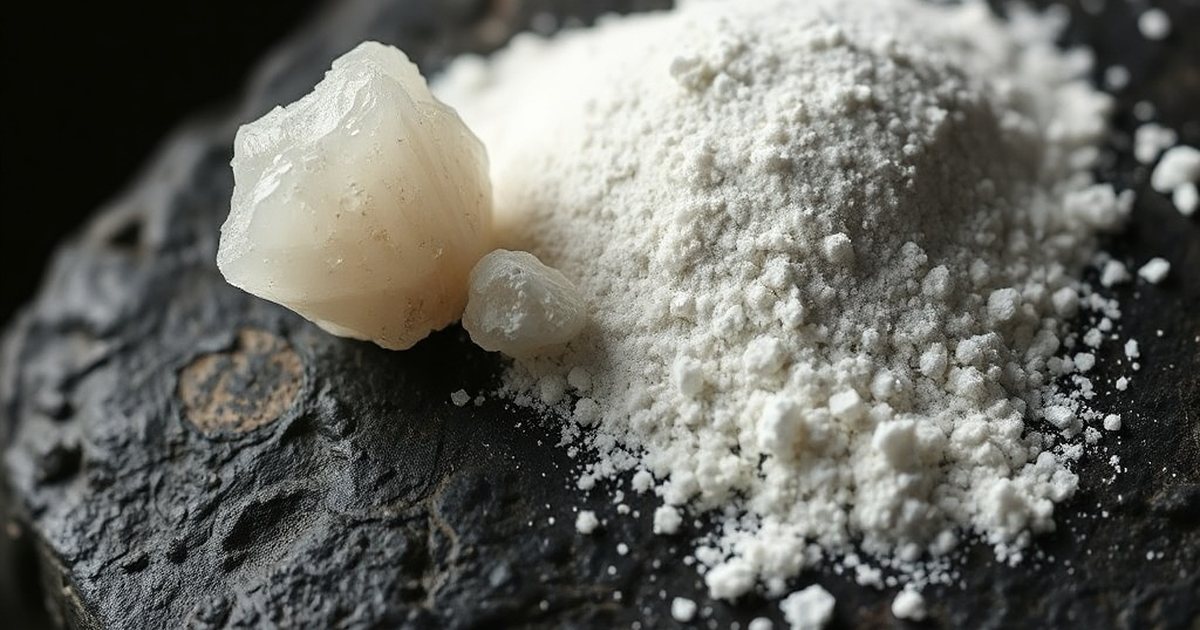
What is conspicuously absent from zeolite’s literature is anything resembling the cholestyramine clinical trial: there is no published human trial measuring zeolite’s mycotoxin-binding effect, no biotoxin-illness patient cohort, and no equivalent to the Shoemaker time-series work. Every zeolite mycotoxin study cited by supplement marketing is either a test-tube assay or an animal feed trial in poultry or cattle.
Side-by-Side: What Each Approach Can Actually Claim
Cholestyramine can point to: FDA approval (for a different indication), in vivo binding data for specific mycotoxins, and a published human clinical trial in the relevant patient population. Zeolite can point to: in vitro binding data for some mycotoxins and livestock feed trials, but no human clinical data specific to mycotoxin binding or mold illness. Neither substance has been evaluated by the FDA for mycotoxin binding as an approved indication.
Safety, Access, and Practical Considerations
Cholestyramine requires a prescription and physician oversight, which means dosing, monitoring, and drug-interaction screening happen with medical supervision. It commonly causes gastrointestinal side effects (bloating, constipation) and can reduce absorption of fat-soluble vitamins and other medications if not properly timed [6]. Zeolite is available without a prescription, which removes that oversight layer entirely — there is no clinician checking for interactions, no standardized dose, and, because it is a mined mineral, a real risk of heavy-metal contamination that varies by supplier and makes third-party COA testing important.
A Note on the Evidence
This article is informational, not medical advice. Off-label prescription use of cholestyramine should only be pursued under a physician’s supervision. Zeolite’s mycotoxin-binding evidence in humans has not been established, and neither substance should be used as a substitute for identifying and remediating an actual mold exposure source.
Frequently Asked Questions
Is cholestyramine better evidence-wise than zeolite for mycotoxin binding?
Cholestyramine has in vivo mycotoxin-binding data and a published clinical trial in patients with water-damaged-building exposure [1] [2] [3]. Zeolite’s evidence is limited to in vitro assays and animal feed studies, with no equivalent human trial [4].
Can I buy cholestyramine without a prescription?
No. Cholestyramine is a prescription medication in the United States. Its use for biotoxin illness is off-label and requires a physician to prescribe and monitor it.

Do zeolite and cholestyramine work the same way?
Both are non-absorbed binders that act in the gastrointestinal tract, but they are chemically unrelated — cholestyramine is a synthetic ion-exchange resin, zeolite is a mined aluminosilicate mineral. Their binding profiles for different mycotoxins are not identical.
Can zeolite and cholestyramine be taken together?
No published research addresses combining them, and because both interfere with nutrient and medication absorption, this should only be considered under medical supervision, if at all.
Does either substance have FDA approval for mycotoxin binding?
No. Cholestyramine is FDA-approved for cholesterol management; its mycotoxin-binding use is off-label. Zeolite is sold as an unregulated dietary supplement with no FDA evaluation for any binding claim.

References
- Solfrizzo M et al. Mycopathologia (2001). PMID 11678589
- Underhill KL et al. Bull Environ Contam Toxicol (1995). PMID 7756775
- Shoemaker RC et al. Neurotoxicol Teratol (2006). PMID 17010568
- Oguz H et al. Toxicon (2022). PMID 35597522
- Kihal A et al. J Anim Sci (2022). PMID 36208465
- Longstreth GF et al. Mayo Clin Proc (1975). PMID 1127993
- Avantaggiato G et al. Food Addit Contam (2005). PMID 16019808
These statements have not been evaluated by the Food and Drug Administration. This information is not intended to diagnose, treat, cure, or prevent any disease. Content is for informational purposes only and is not medical advice; consult a qualified healthcare provider before starting any supplement. As an Amazon Associate we earn from qualifying purchases.