Zeolite supplements, most often made from clinoptilolite, a naturally occurring aluminosilicate mineral, are marketed for gut support, ‘detox,’ and general wellness. The mineral’s honeycomb-like crystal structure does bind certain ions through adsorption and ion exchange, which is the basis for its industrial use in water filtration and its proposed use in supplements.[1] But ‘it binds things in a beaker’ is a long way from ‘it detoxifies your whole body,’ and the supplement aisle rarely draws that distinction.
Because zeolite is a mined mineral rather than a synthesized compound, what’s actually in the bottle can vary a lot depending on the source rock, how finely it’s milled, and how it was processed. That variability is exactly why a buyer’s checklist matters more here than for many other supplements. This article walks through what to actually look for on a label and a Certificate of Analysis (COA) before buying, and where the evidence for zeolite in general does and doesn’t go.
Key Takeaways
- Confirm the product specifically names clinoptilolite and discloses its mining source, not just a generic ‘zeolite’ label.
- Insist on a current, independent, lot-specific Certificate of Analysis showing heavy metal and microbial testing before buying.
- Treat ‘detox’ and disease-related claims as unproven marketing; human trial evidence for clinoptilolite is limited to small studies on gut/immune markers, not whole-body detoxification.[2]
- Micron size and processing claims are useful for comparison shopping but aren’t independently standardized, verify with documentation where possible.
- Talk to a doctor first if you have kidney disease, take medications with narrow safety margins, or are pregnant or breastfeeding.
Start With the Mineral, Not the Marketing
Most zeolite supplements use clinoptilolite specifically, one of dozens of naturally occurring zeolite minerals, because its pore and cage structure is well suited to trapping smaller cations like ammonium and some heavy metal ions as fluid passes through the gut. Products should say ‘clinoptilolite’ explicitly, not just ‘zeolite,’ since that’s the form with the most plausible use case for oral supplementation.
Be skeptical of any listing that doesn’t name the specific mineral, doesn’t state where it was mined, or leans entirely on words like ‘detox,’ ‘cleanse,’ or ‘pulls out toxins’ without describing a mechanism. A product that can name its mineral, its source, and roughly how it’s processed is already ahead of one that can’t.
Demand a Recent, Independent Certificate of Analysis (COA)
This is the single most important item on the checklist. Because clinoptilolite is mined rock, it can carry the same heavy metals it’s marketed to remove, lead, arsenic, mercury, cadmium, depending on the deposit and how it was processed.[3] A reputable seller will publish a current COA from an independent (third-party) lab, not an in-house test, showing heavy metal content, and ideally microbial contamination, for the specific batch or lot you’re buying.

Look for the COA to reference recognized limits, such as USP or state Prop 65-type thresholds for heavy metals, and to be dated within the last year or tied to your product’s lot number. A vague ‘we test for purity’ claim with no document attached is not verification; it’s a marketing line. If a company won’t produce a lot-specific COA on request, that’s a reason to walk away, not a minor inconvenience.
Check Particle Size and Processing Method
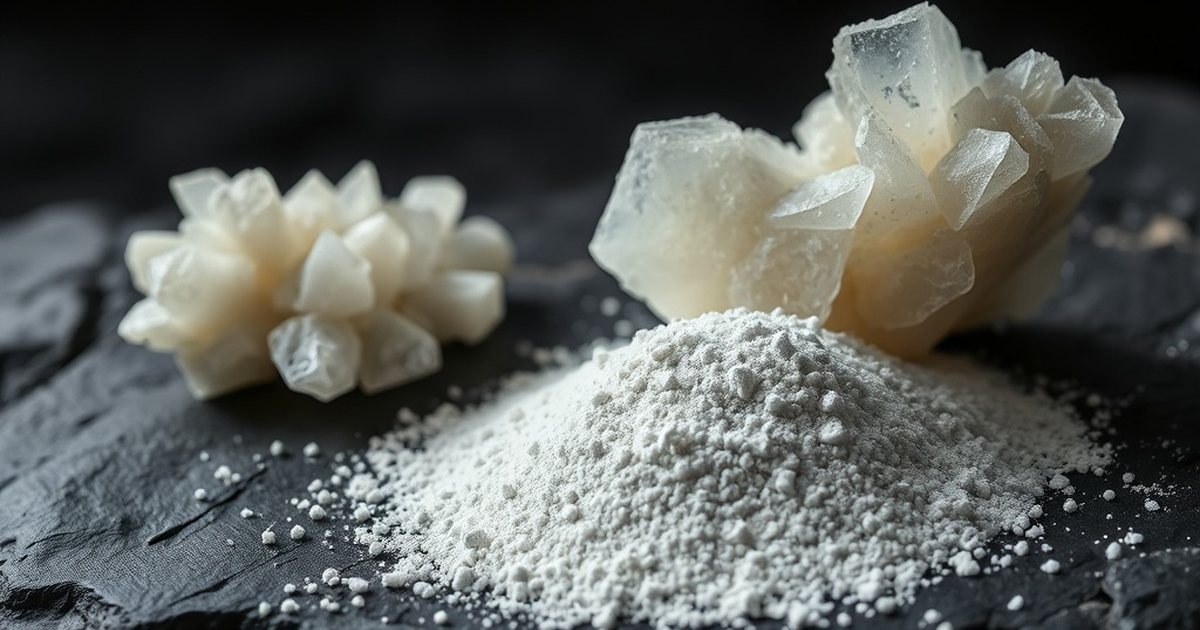
Raw zeolite rock is essentially inert if the particles are too large to interact meaningfully in the gut. Manufacturers address this by micronizing (grinding to a very fine powder) or, in some products, further activating the mineral. Micron size is sometimes listed on the label (smaller generally means more surface area available for ion exchange), though marketing claims about ‘nano-sized’ or ‘activated’ zeolite often outrun what’s independently verifiable.
There’s no standardized industry benchmark for what particle size is ‘best,’ so treat specific micron claims as a data point to compare between products rather than a guarantee of effectiveness. What matters more practically is whether the company can back up the claim with any documentation at all, versus simply asserting it.
Know What the Human Evidence Actually Covers
It’s worth being direct here: clinical evidence in humans for clinoptilolite is limited, largely small trials looking at gut or immune markers, not controlled studies demonstrating whole-body heavy-metal detoxification in the way many product pages imply. If you don’t have specific citable studies in hand for a given product’s claims, treat those claims as unproven marketing rather than established fact.
The FDA has not evaluated zeolite supplements for any health claim, and no clinoptilolite product is approved to diagnose, treat, cure, or prevent any disease. A supplement can be reasonably formulated and still be sold with claims well beyond what any study has shown, so read ingredient sourcing and label claims as two separate questions.

Read the Label Claims Critically
Watch for red-flag language: guarantees of detoxification, claims of curing or reversing specific conditions, comparisons to chelation therapy, or testimonials presented as proof. None of these are consistent with how a mined mineral supplement with limited human trial data should be marketed.
More trustworthy labeling tends to be modest: it names the mineral and its source, states a dose, discloses inactive ingredients, and avoids disease claims. A ‘Supplement Facts’ panel that’s honest about being a dietary supplement, not a drug, is a better sign than one dressed up with medical-sounding promises.
Consider Form, Dose, and Who Should Be Cautious
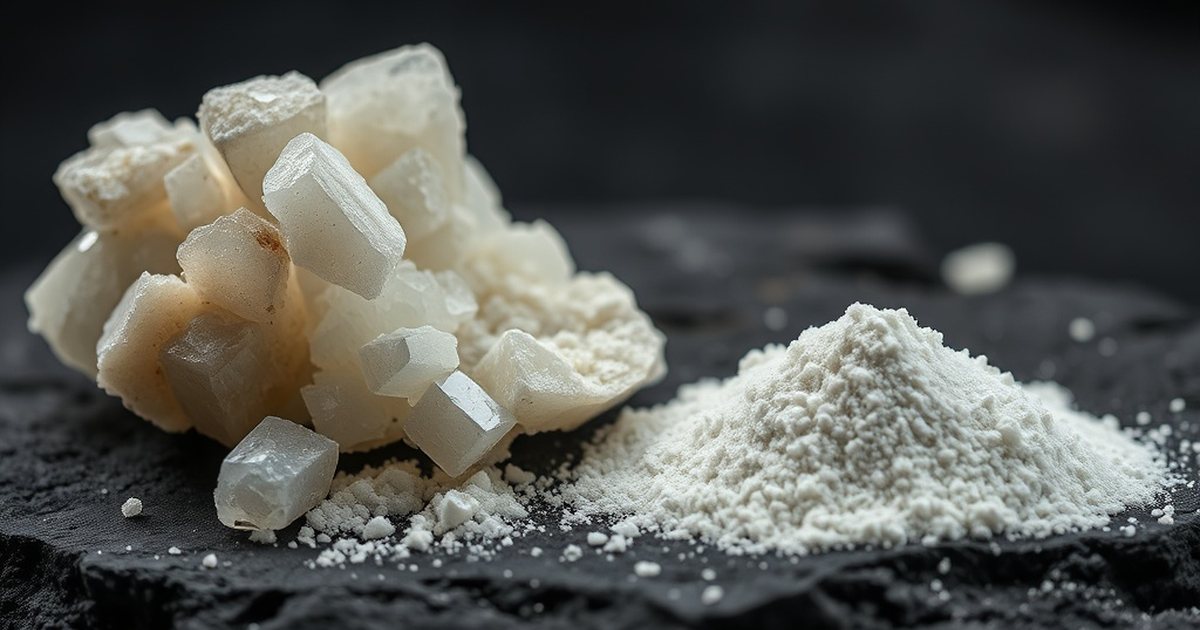
Clinoptilolite supplements come as micronized powder, liquid suspensions, and capsules. None of these forms has a clearly superior evidence base over the others for general use; the practical differences are mostly about convenience, taste, and how easy it is to verify dosing consistency batch to batch.
People with kidney disease, those on medications with narrow therapeutic windows, pregnant or breastfeeding people, and anyone with a diagnosed mineral or electrolyte disorder should talk to a doctor before starting, since a mineral that binds cations in the gut could in principle interact with mineral absorption or medication uptake, even though this hasn’t been well studied in humans specifically for clinoptilolite.

🛒 Where to Buy Zeolite (Clinoptilolite)
- CleanseParasites Heavy Metal + Microplastics Binder Editor’s Pick
Contains zeolite alongside milk thistle, spirulina, and other binder herbs. - Touchstone Essentials Pure Body Extra Strength Zeolite
liquid, 1 tbsp (15 mL) — Best-known liquid nano-zeolite brand; MLM pricing but widely trusted in alt-health community - BodyBio Zeolite Powder
powder, 1/2 tsp — Practitioner-oriented brand, micronized clinoptilolite powder - Pure Zeolite Zeolite Powder (Ultimate Detox Clay)
powder, 1/4-1 tsp — Budget-friendly micronized powder - Zeo Health ZeoCharge
powder, 1/2 tsp — Long-standing niche zeolite brand, ultra-fine micronized clinoptilolite
As an Amazon Associate we earn from qualifying purchases. Quality varies widely — always choose a product with a published third-party test (COA) before buying.
A Note on the Evidence
This article is informational, not medical advice; clinical evidence on clinoptilolite in humans is limited to small studies on gut and immune markers, not proof of whole-body detoxification, and anyone with kidney disease, on medications, or who is pregnant or breastfeeding should consult a doctor before use.
Frequently Asked Questions
Is zeolite supplement purity regulated by the FDA?
No. Dietary supplements, including zeolite products, are not pre-approved by the FDA for safety or efficacy the way drugs are. The FDA has not evaluated zeolite for any health claim, which is why independent, batch-specific testing from the seller matters so much.
What should a good Certificate of Analysis actually show?
Look for heavy metal levels (lead, arsenic, mercury, cadmium) tested by an independent lab, ideally referencing USP or similar recognized limits, tied to the specific lot number of the product you’re buying, and dated recently rather than years old.

Does a finer (micronized) powder work better than a coarser one?
Finer particles generally offer more surface area for ion exchange in principle, but there’s no standardized benchmark proving a specific micron size is superior in practice. Use particle size claims as one comparison point among several, not a stand-alone proof of quality.
Can zeolite supplements really remove heavy metals from the body?
Clinoptilolite can bind some cations, including certain heavy metal ions, via ion exchange in a lab setting and in the gut. Human clinical evidence for meaningful whole-body heavy-metal detoxification from oral supplementation is limited; most human research so far has focused on smaller-scale gut and immune markers rather than systemic detox outcomes.
Is zeolite itself sometimes contaminated with heavy metals?
Yes, this is a real and specific concern. Because it’s a mined mineral, contamination varies by source deposit and how the material is processed, which is exactly why third-party COA verification is more important for zeolite than for many synthetic supplement ingredients.
Who should avoid zeolite supplements or check with a doctor first?
People with kidney disease, anyone on medications with a narrow safety margin, pregnant or breastfeeding people, and those with diagnosed mineral or electrolyte disorders should consult a doctor before use, since interactions with mineral absorption or medications haven’t been well studied in humans.
References
- Zeolite Clinoptilolite: Therapeutic Virtues of an Ancient Mineral. Molecules (2019). PMID 30999685
- Clinical Evaluation of a Defined Zeolite-Clinoptilolite Supplementation Effect on the Selected Blood Parameters of Patients. Frontiers in Medicine (2022). PMID 35712111
- Critical Review on Zeolite Clinoptilolite Safety and Medical Applications in vivo. Frontiers in Pharmacology (2018). PMID 30538633
These statements have not been evaluated by the Food and Drug Administration. This information is not intended to diagnose, treat, cure, or prevent any disease. Content is for informational purposes only and is not medical advice; consult a qualified healthcare provider before starting any supplement. As an Amazon Associate we earn from qualifying purchases.