If you’ve looked at a zeolite supplement label, you’ve probably seen the word “clinoptilolite” printed somewhere near the front. That’s not a marketing term, it’s a specific mineral name, and it matters because “zeolite” is actually a family of more than 50 different naturally occurring minerals plus a much larger number of synthetic versions used in industry. Not all of them are the same, and not all of them belong anywhere near a supplement bottle.
This article walks through what clinoptilolite actually is, how its structure differs from other zeolite types, why it’s the one that ended up in gut and detox products, and what the research does and doesn’t support. None of this is medical advice, and the FDA has not evaluated zeolite for any health claim.
Key Takeaways
- “Zeolite” is a mineral family with 50+ natural species and many synthetic versions; clinoptilolite is one specific type, not a synonym for the whole category.
- Clinoptilolite is used in supplements because of its abundance, its selective ion-exchange affinity, and its relative chemical stability in acidic (stomach) conditions.[1]
- Other natural zeolites (chabazite, mordenite, phillipsite) and all synthetic zeolites have different pore structures suited to industrial uses, not oral consumption.
- Human clinical evidence is limited to a few trials measuring blood mineral and metal levels, which also found raised blood lead in some supplemented groups (the authors linked it to bone remodeling), not whole-body heavy-metal detox, despite what some marketing implies.[2]
- Because it’s a mined mineral, contamination risk varies by deposit and processing, third-party COA testing matters more here than for most supplement categories.
What "Zeolite" Actually Means
Zeolites are a class of crystalline aluminosilicate minerals, meaning they’re built from aluminum, silicon, and oxygen atoms arranged into a repeating cage-like or channel-like lattice.[3] That lattice structure is the whole point: it creates a porous, honeycomb architecture with a fixed negative charge, which lets the mineral attract and hold onto positively charged ions (cations) like ammonium, lead, or heavy metal ions through a process called ion exchange, along with straightforward physical adsorption.
There are over 50 known natural zeolite species (clinoptilolite, chabazite, mordenite, phillipsite, and others), and hundreds of synthetic zeolites engineered for industrial use, things like water softening, gas separation, and catalytic converters. The pore size, channel geometry, and silicon-to-aluminum ratio differ across every one of these, and those differences change what a given zeolite can and can’t bind, how stable it is, and whether it’s appropriate for oral use at all.

Why Clinoptilolite Is the One in Supplements
Clinoptilolite is the most abundant and most studied natural zeolite, and it’s essentially the only zeolite type used in ingestible gut-support and detox products. Part of that is availability, it forms in large sedimentary deposits from volcanic ash that settled in ancient lake or ocean environments, so it can be mined at scale. Part of it is structural: clinoptilolite has a relatively high silicon-to-aluminum ratio and a specific channel geometry that gives it a strong, selective affinity for certain cations, including ammonium and some heavy metal ions, without dissolving or breaking down easily in the acidic environment of the stomach.
That chemical stability is a meaningful safety consideration. A zeolite that degrades or releases its bound aluminum content under acidic conditions would be a poor candidate for anything you swallow. Clinoptilolite’s framework is considered comparatively resistant to that kind of breakdown, which is a major reason it’s the type that shows up in micronized powders, liquid suspensions, and capsules rather than, say, mordenite or phillipsite.
How Other Zeolite Types Differ
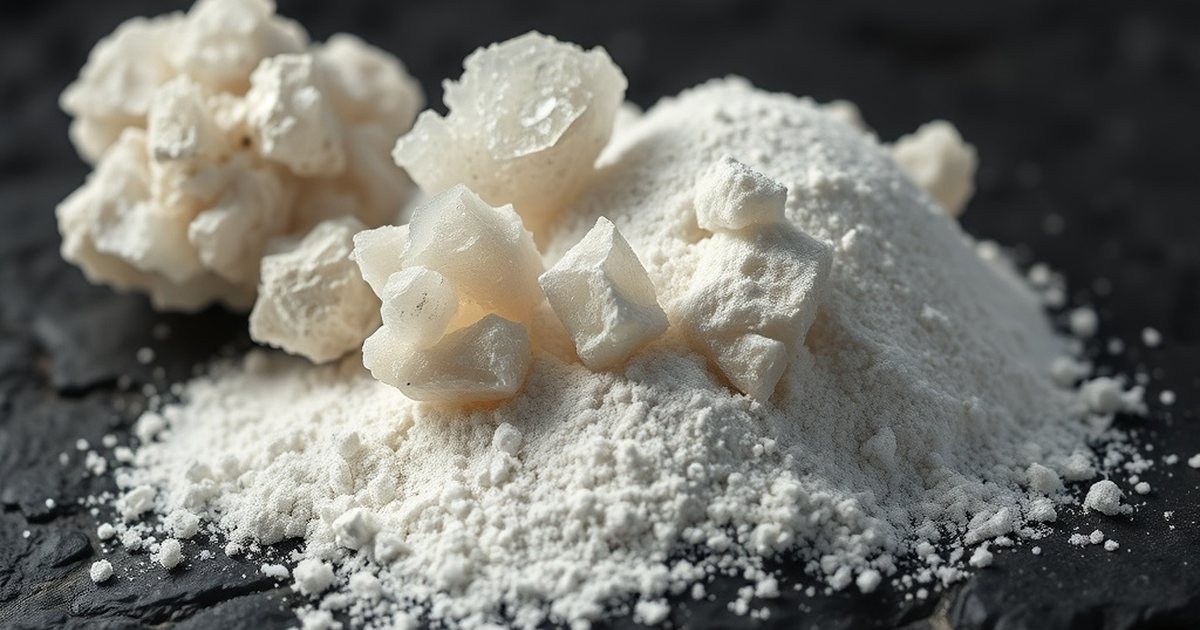
Chabazite and phillipsite have smaller pore openings and different channel shapes than clinoptilolite, which changes their selectivity, some are actually better suited to specific industrial separations precisely because they exclude molecules clinoptilolite would let through. Mordenite has a narrower, more restrictive channel system and is used heavily in petrochemical catalysis rather than in any ingestible context.
Synthetic zeolites (often labeled by codes like Zeolite A or Zeolite Y in industrial literature) are manufactured to exact pore specifications for a single purpose, like softening water or separating gases in a refinery, and are not characterized, tested, or intended for human consumption. The practical takeaway: “zeolite” on a label without the word clinoptilolite in front of it is not a meaningful safety or efficacy claim on its own, the mineral species is what determines the binding behavior and the oral-use profile.
What the Evidence Actually Supports
The mechanistic case for clinoptilolite’s ion-exchange and adsorption capacity is well established in materials science and industrial chemistry, this is why it’s used in water treatment and agriculture as well as supplements. But mechanism is not the same as clinical outcome. Human clinical research on oral clinoptilolite is limited to a small number of trials looking at blood mineral and metal levels, not whole-body heavy-metal detoxification, and no clinical evidence supports claims that it removes mercury, lead, or other metals from tissues throughout the body.

Anyone evaluating a clinoptilolite product should treat “detox” language on the label with skepticism proportional to how far it reaches beyond what’s actually been studied. A product that binds ammonium in the gut is not the same product as one that has been shown to lower a body burden of heavy metals.
Purity and Sourcing: The Part That's Specific to Zeolite
Because clinoptilolite is a mined mineral rather than a synthesized or cultivated ingredient, its purity depends entirely on the deposit it came from and how it was processed afterward. Natural deposits can contain trace contamination from lead or other heavy metals alongside the clinoptilolite itself, and processing (crushing, micronizing, acid-washing) can either reduce or fail to reduce that contamination depending on how it’s done.
This is a bigger deal for zeolite than for most other supplement categories, where the base ingredient is usually a plant extract or synthesized compound with a more predictable purity profile. For a mined mineral, third-party Certificate of Analysis (COA) testing for heavy metals isn’t a nice-to-have, it’s the main way to know whether a given batch is actually low-contaminant clinoptilolite or a poorly screened source.
🛒 Where to Buy Zeolite (Clinoptilolite)

- CleanseParasites Heavy Metal + Microplastics Binder Editor’s Pick
Contains zeolite alongside milk thistle, spirulina, and other binder herbs. - Touchstone Essentials Pure Body Extra Strength Zeolite
liquid, 1 tbsp (15 mL) — Best-known liquid nano-zeolite brand; MLM pricing but widely trusted in alt-health community - BodyBio Zeolite Powder
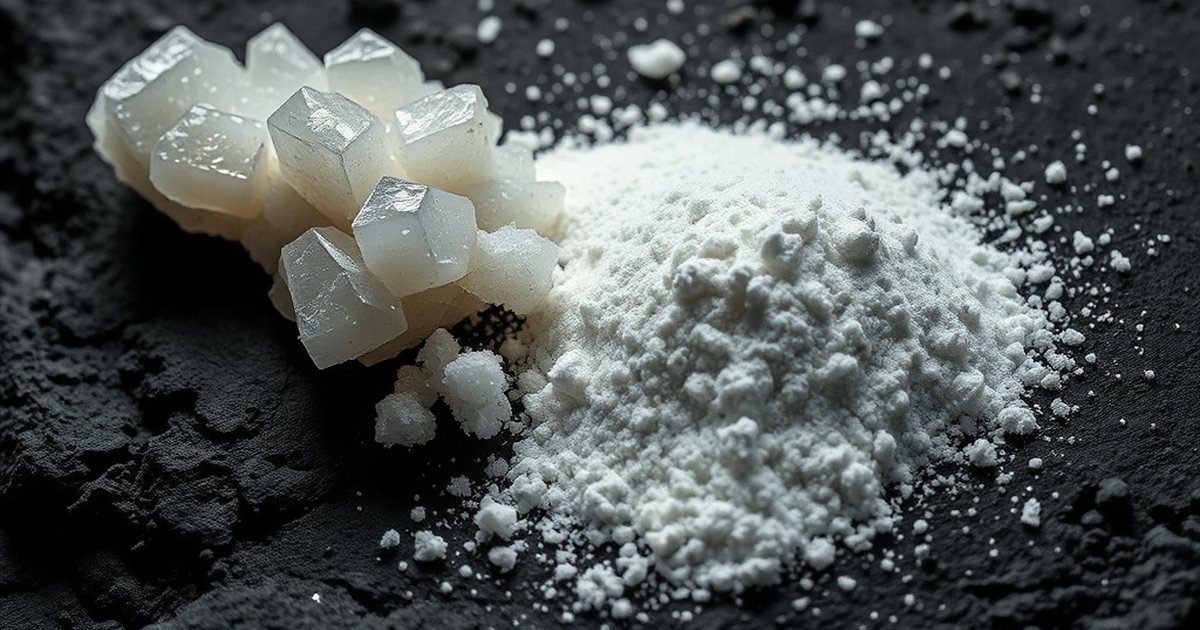
powder, 1/2 tsp — Practitioner-oriented brand, micronized clinoptilolite powder - Pure Zeolite Zeolite Powder (Ultimate Detox Clay)
powder, 1/4-1 tsp — Budget-friendly micronized powder - Zeo Health ZeoCharge
powder, 1/2 tsp — Long-standing niche zeolite brand, ultra-fine micronized clinoptilolite
As an Amazon Associate we earn from qualifying purchases. Quality varies widely — always choose a product with a published third-party test (COA) before buying.
A Note on the Evidence
Human research on clinoptilolite is limited to a few studies of blood mineral and metal levels, not whole-body detoxification, and purity varies by mining source, so third-party heavy-metal testing matters more here than for most supplements. This is informational only, not medical advice; consult a healthcare provider before use, especially if pregnant, nursing, or managing a kidney or GI condition.
Frequently Asked Questions
Is clinoptilolite the same thing as zeolite?
Clinoptilolite is one specific mineral species within the broader zeolite family, which includes more than 50 natural types and many synthetic ones. When a product just says “zeolite” without naming clinoptilolite, it’s worth asking which type is actually inside.
Why don't supplements use other zeolite types like mordenite or chabazite?
Those types have different pore geometries suited to industrial uses like catalysis or gas separation, and they haven’t been characterized or tested for oral use the way clinoptilolite has. Clinoptilolite’s structure and relative stability in acidic conditions are the main reasons it’s the type used in ingestible products.
Are synthetic zeolites ever used in supplements?
No, synthetic zeolites are engineered for specific industrial separations (like water softening) and are not intended, tested, or labeled for human consumption. Ingestible products use natural clinoptilolite.

Does clinoptilolite remove heavy metals from the whole body?
Clinical evidence in humans doesn’t support that claim, it’s limited to a few trials measuring blood mineral and metal levels. The ion-exchange binding capacity is well documented in materials science, but that’s not the same as a demonstrated whole-body detoxification effect.
Why does sourcing matter so much for zeolite specifically?
Because it’s a mined mineral, purity depends on the deposit and how it was processed, and natural deposits can carry trace heavy metal contamination. Third-party COA testing is the main way to verify a given batch’s actual purity.
Is clinoptilolite regulated or FDA-approved for any health claim?
No, the FDA has not evaluated clinoptilolite or any zeolite product for health claims. This article is informational only and isn’t medical advice; talk to a healthcare provider before starting any new supplement.
References
- Zeolite Clinoptilolite: Therapeutic Virtues of an Ancient Mineral. Molecules (2019). PMID 30999685
- Clinical Evaluation of a Defined Zeolite-Clinoptilolite Supplementation Effect on the Selected Blood Parameters of Patients. Frontiers in Medicine (2022). PMID 35712111
- Critical Review on Zeolite Clinoptilolite Safety and Medical Applications in vivo. Frontiers in Pharmacology (2018). PMID 30538633
These statements have not been evaluated by the Food and Drug Administration. This information is not intended to diagnose, treat, cure, or prevent any disease. Content is for informational purposes only and is not medical advice; consult a qualified healthcare provider before starting any supplement. As an Amazon Associate we earn from qualifying purchases.