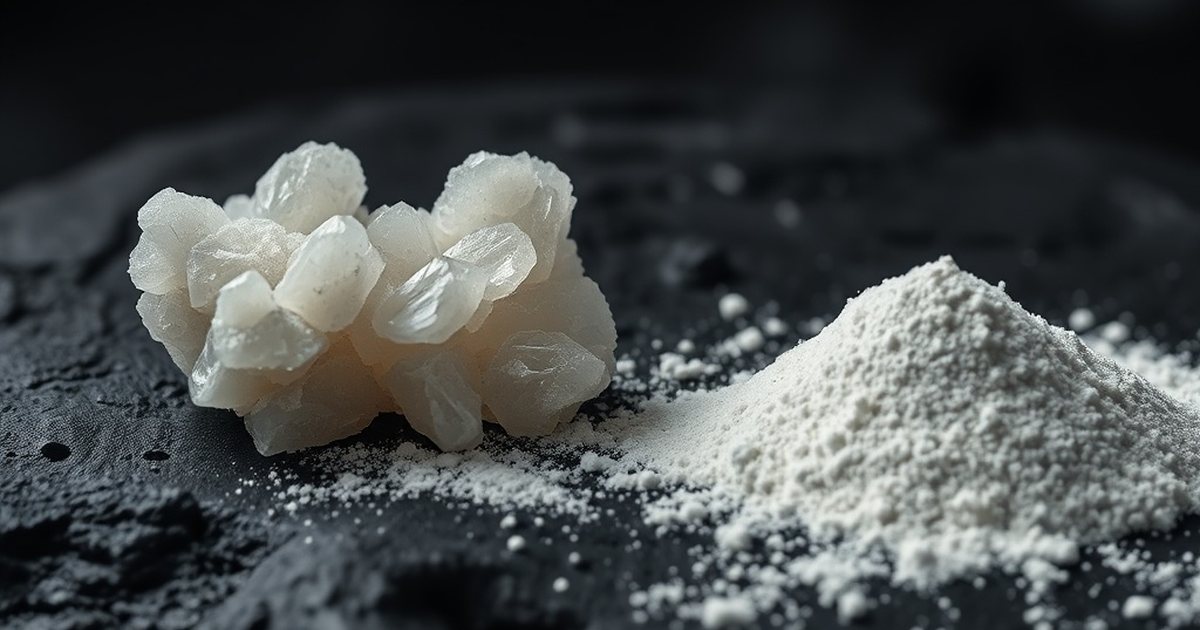
Clinoptilolite is a naturally occurring zeolite mineral, an aluminosilicate with a porous, cage-like crystal structure that can bind certain positively charged ions (cations) through ion exchange and adsorption. It’s marketed as a powder, liquid suspension, or capsule for gut support, general ‘detox,’ or immune maintenance, often with claims about long-term daily use being safe or even beneficial.
The honest answer is that long-term daily use in humans hasn’t been well studied. Most of what’s known comes from short human trials looking at gut or immune markers, and from animal research examining how the mineral behaves in the body over time. This article looks at what that animal evidence actually shows, why it doesn’t equal a green light for indefinite daily human use, and what practical safety questions (like heavy metal contamination in the raw mineral) matter more than most marketing suggests. This is informational only, not medical advice.
Key Takeaways
- Long-term clinoptilolite safety data mostly comes from animal (rodent) research tracking metal concentrations over extended administration, not from multi-year human trials [1].
- Human studies are largely short-term and focused on gut/immune markers, not long-term daily-use safety or whole-body detoxification.
- Because zeolite is a mined mineral, heavy metal contamination varies by source and processing, making third-party COA verification a bigger safety factor than for most supplements.
- The FDA has not evaluated zeolite for any health claim, so no regulatory safety review backs these products.
- People with kidney issues, those on medications, and pregnant or breastfeeding individuals should be more cautious given the data gaps.
What Long-Term Zeolite Research Actually Looked At
One of the more relevant pieces of evidence is a 2023 rodent study examining what happens to metal concentrations in the body after long-term clinoptilolite administration [1]. This kind of study matters because it’s one of the few designed to look specifically at the ‘long-term’ question, rather than a short-term snapshot of a few weeks.
The study tracked how metal levels in organ and tissue systems shifted over an extended administration period, giving a window into whether the mineral accumulates, gets excreted, or alters the body’s normal metal handling over time [1]. That’s a meaningfully different question than ‘does zeolite bind lead in a test tube,’ which is where a lot of consumer-facing claims stop.
It’s important to be precise about what this evidence is and isn’t. It’s animal data, not a human clinical trial, and rodent metal metabolism doesn’t map one-to-one onto human physiology. It’s a reasonable starting point for understanding long-term exposure dynamics, not proof that daily human use over months or years is safe.

The Gap Between 'Short-Term Human Data' and 'Long-Term Daily Use'
Human research on clinoptilolite has generally focused on gut and immune markers over relatively short windows, not on whole-body heavy-metal detoxification and not on multi-year daily supplementation. That means claims like ‘safe to take every day indefinitely’ are running ahead of the human evidence base.
This distinction matters practically. A supplement can show a favorable signal on a specific short-term marker (say, a gut permeability or inflammation marker) without that telling you anything about what happens after two or five years of continuous daily intake. Long-term safety and short-term tolerability are different questions, and right now only the animal long-term data speaks directly to the former [1].
Why Source and Processing Matter More Than the Marketing Suggests
Zeolite is a mined mineral, not a synthesized, standardized compound. That means contamination, most notably with lead or other heavy metals, can vary significantly by deposit, mine, and processing method. A product’s safety profile is not just about clinoptilolite as a molecule; it’s about the specific batch you’re holding.
This is the single most practical safety lever a consumer has: third-party Certificate of Analysis (COA) verification for heavy metals. Unlike many supplements where contamination risk is a secondary concern, for a mined aluminosilicate it should be treated as a primary one. A product without current, batch-specific heavy metal testing is a bigger unknown than the clinoptilolite itself.
Micronization (particle size reduction) and particle purity also affect how the material behaves once ingested, though this is a processing and quality-control issue rather than something addressed by the available long-term rodent data specifically.

Regulatory Status: What 'Not Evaluated by the FDA' Actually Means
The FDA has not evaluated zeolite for any health claim. In the US regulatory framework, this means clinoptilolite products marketed as dietary supplements are not vetted for efficacy, and manufacturing oversight is lighter than it is for pharmaceuticals. This isn’t unique to zeolite; it’s true of the supplement category broadly, but it’s worth stating plainly rather than letting a ‘natural mineral’ framing imply a safety review that hasn’t happened.
Practically, this shifts more responsibility onto the buyer to evaluate sourcing, third-party testing, and dosing claims critically, rather than assuming regulatory approval stands behind the product.
Who Should Be More Cautious
Because clinoptilolite works through ion exchange and mineral binding, and because the long-term human safety picture is thin, extra caution is reasonable for anyone with kidney impairment (since mineral and ion handling is a kidney function), anyone on medications where mineral binding could plausibly interfere with absorption, and anyone pregnant or breastfeeding, given the complete absence of long-term human safety data in those populations.
Given the source-dependent contamination risk described above, caution is also warranted for anyone considering a product without a current, batch-matched heavy metal COA, regardless of how the product is marketed.

🛒 Where to Buy Zeolite (Clinoptilolite)
- CleanseParasites Heavy Metal + Microplastics Binder Editor’s Pick
Contains zeolite alongside milk thistle, spirulina, and other binder herbs. - Touchstone Essentials Pure Body Extra Strength Zeolite
liquid, 1 tbsp (15 mL) — Best-known liquid nano-zeolite brand; MLM pricing but widely trusted in alt-health community - BodyBio Zeolite Powder
powder, 1/2 tsp — Practitioner-oriented brand, micronized clinoptilolite powder - Pure Zeolite Zeolite Powder (Ultimate Detox Clay)
powder, 1/4-1 tsp — Budget-friendly micronized powder - Zeo Health ZeoCharge
powder, 1/2 tsp — Long-standing niche zeolite brand, ultra-fine micronized clinoptilolite
As an Amazon Associate we earn from qualifying purchases. Quality varies widely — always choose a product with a published third-party test (COA) before buying.
A Note on the Evidence
This article is informational, not medical advice; the evidence on long-term human use is limited to short trials and animal data, so anyone considering daily use, especially those with kidney issues, on medication, or pregnant or breastfeeding, should consult a doctor first and prioritize products with current third-party heavy metal testing.
Frequently Asked Questions
Is there human research on taking zeolite every day for years?
No. Available human research is limited to smaller, shorter-term trials looking at gut and immune markers. There isn’t published long-term human data on years of continuous daily use.
What does the animal research actually show about long-term use?
A 2023 rodent study looked at how metal concentrations in the body changed with long-term clinoptilolite administration, which is one of the more direct looks at long-term exposure dynamics available [1]. It doesn’t automatically translate to human physiology or human dosing.

Can zeolite remove heavy metals from the whole body?
The mechanism (ion exchange and adsorption in the gut) is plausible for binding some cations in the digestive tract, but whole-body heavy-metal detoxification claims go beyond what current human clinical evidence supports.
Why does sourcing matter so much for zeolite specifically?
It’s a mined mineral, so lead and other heavy metal contamination can vary by deposit and processing method. This makes batch-specific third-party testing more important here than for many synthesized or standardized supplements.
Has the FDA approved zeolite for any health claim?
No. The FDA has not evaluated clinoptilolite zeolite for any health claim, so no product on the market carries regulatory validation for the benefits it markets.
Who should avoid or be cautious with zeolite?
People with kidney impairment, anyone on medications where mineral interactions are a concern, and pregnant or breastfeeding individuals should be cautious, largely because long-term human safety data simply doesn’t exist for these groups.
References
- Dolanc I et al. The Impact of Long-Term Clinoptilolite Administration on the Concentration Profile of Metals in Rodent Organisms. Biology (2023). PMID 36829471
These statements have not been evaluated by the Food and Drug Administration. This information is not intended to diagnose, treat, cure, or prevent any disease. Content is for informational purposes only and is not medical advice; consult a qualified healthcare provider before starting any supplement. As an Amazon Associate we earn from qualifying purchases.