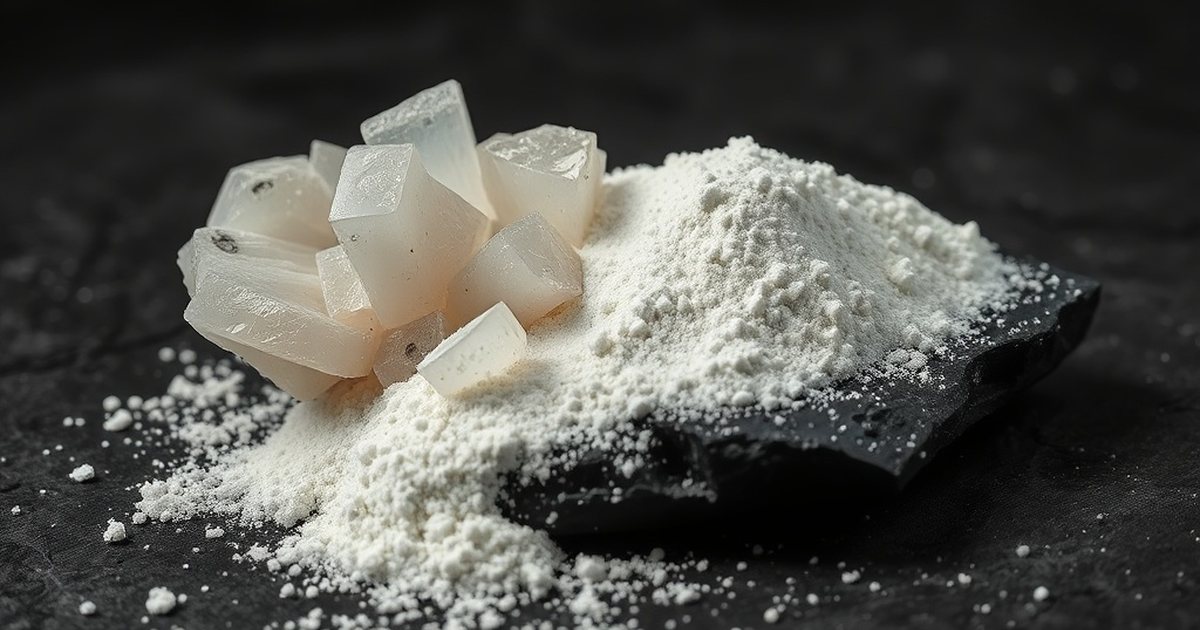
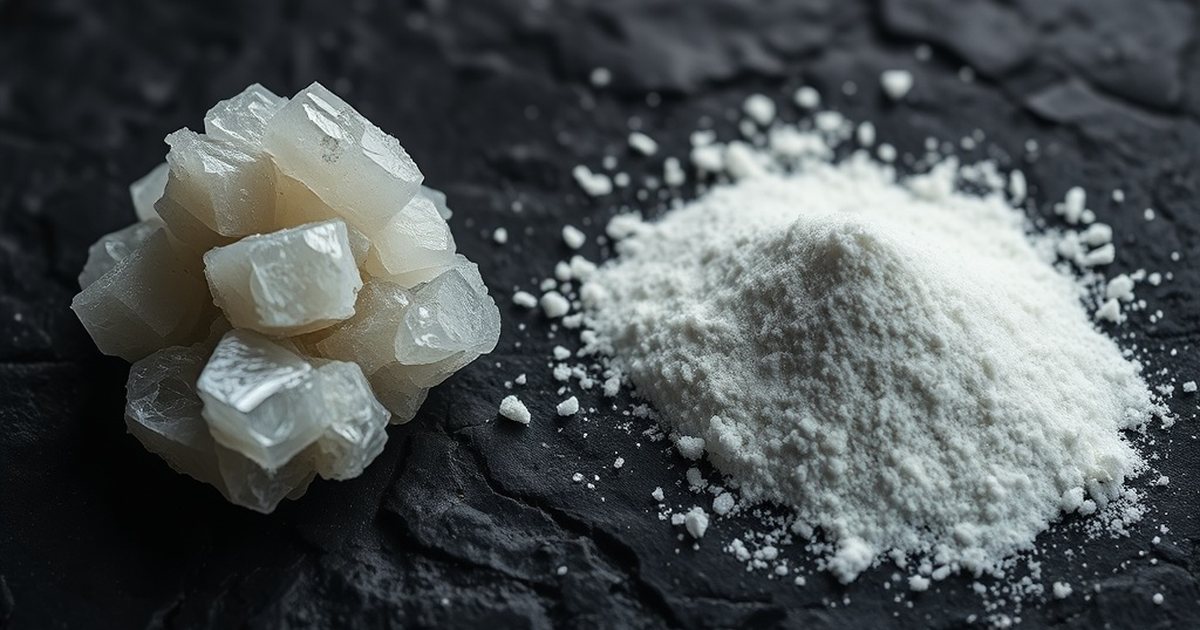
Zeolite supplements, most often sold as micronized clinoptilolite powder, liquid suspensions, or capsules, are marketed for gut support and “detox.” The mineral works by ion exchange and adsorption in the gut rather than by any drug-like mechanism, and the FDA has not evaluated it for any health claim. That distinction matters when deciding who should be cautious, because a supplement that isn’t reviewed for safety or efficacy puts more of the burden on the consumer and their clinician to weigh individual risk factors.
This article is not a list of proven side effects backed by large human trials, because that evidence largely doesn’t exist yet for clinoptilolite. Instead, it lays out the groups for whom caution is clearly warranted based on how the mineral behaves in the body, known contamination risks in mined minerals, and basic pharmacology, so you can have an informed conversation with a doctor or pharmacist before starting. The general-toxicity picture, for what it covers, is reassuring: a 90-day repeated-dose study in rats, run to OECD and FDA guidelines and paired with a full genotoxicity battery, found no adverse systemic, mutagenic or irreversible effects at 5 to 15 mg/kg per day[1] — though those doses are far below what a daily human scoop delivers per kilogram of body weight, so the study bounds the question rather than settling it.
Key Takeaways
- Zeolite (clinoptilolite) works through gut-based ion exchange and adsorption; it is not FDA-evaluated for any health claim and human trial evidence is limited to small studies on gut and immune markers plus one placebo-controlled zeolite trial showing reduced absorption of co-ingested lead[2].
- People with kidney disease, pregnant or breastfeeding people, and those with GI motility disorders should treat zeolite as a discuss-with-your-doctor product, not a default wellness purchase.
- Because it may adsorb substances in the gut, anyone on prescription medication, especially narrow-therapeutic-index drugs, should ask about timing zeolite doses apart from medications.
- Zeolite is not a validated substitute for medical evaluation or treatment of suspected heavy metal exposure.
- Because zeolite is a mined mineral, contamination varies by source; always look for a specific, recent third-party COA before buying.
People with Kidney Disease or Reduced Kidney Function
Clinoptilolite is an aluminosilicate, so the obvious worry is that the mineral itself leaches absorbable aluminum. That has been measured rather than assumed. In a monitoring study spanning three clinical trials, blood levels were tracked by ICP-MS, and increases in aluminum or lead attributable to leakage from the material were not detected one hour after intake; over four years of continuous supplementation, aluminum and nickel were significantly lower, not higher[3]. The signal that study did find is a different one, and it is the more relevant caution here: copper fell in supplemented osteoporosis patients, while sodium and calcium dropped below reference values, leading the authors to suggest checking copper, calcium and sodium balance after a year of use[3]. Impaired kidneys are precisely the case where electrolyte and trace-mineral handling is already narrowed, which is why this belongs with a nephrologist rather than in self-monitoring.
Anyone with chronic kidney disease, a single kidney, or a history of dialysis should treat any aluminum-containing supplement, including zeolite, as a discussion point for their nephrologist before use, not a personal trial-and-error decision.
People on Prescription Medications, Especially Narrow-Therapeutic-Index Drugs
Because zeolite works partly through adsorption and ion exchange in the gastrointestinal tract, it has the physical potential to bind other substances passing through the gut, including oral medications, and reduce how much is absorbed. This is a plausible mechanism-based concern rather than something confirmed in dedicated human drug-interaction trials for clinoptilolite specifically.

This caution applies most strongly to medications where a small drop in absorbed dose matters clinically, such as thyroid hormone replacement, anticonvulsants, blood thinners, and other narrow-therapeutic-index drugs. People on any regular prescription should ask their prescriber or pharmacist whether spacing zeolite doses away from medication doses is necessary, and should not assume a supplement labeled “natural” is automatically inert alongside their regimen.
Pregnant and Breastfeeding People
There is essentially no clinical safety data on clinoptilolite use during pregnancy or lactation in humans, and the one directly relevant animal result is a caution rather than a reassurance. Pregnant rats fed clinoptilolite alongside aflatoxin B1 were not protected from it: the combination produced maternal liver lesions more severe than aflatoxin alone, while a different binder tested in the same experiment did protect, and the authors singled this out as the kind of hidden risk that non-selective binders can carry[4]. In the absence of trials establishing a safe dose or ruling out effects on mineral absorption, fetal development, or transfer into breast milk, the standard and conservative position is to avoid the supplement in these life stages unless a physician who knows the full picture specifically advises otherwise.
This is not a statement that zeolite is known to be harmful in pregnancy, it is a statement that the evidence needed to call it safe simply hasn’t been generated, and that gap should be resolved in favor of caution.
Anyone Relying on Zeolite for Heavy Metal "Detox" Instead of Medical Treatment
Clinoptilolite is frequently marketed as a whole-body heavy-metal detoxifier. There is real human heavy-metal data, and reading it carefully is what dismantles that claim rather than supporting it. In a randomised, double-blind, placebo-controlled trial, 42 healthy adults swallowed a traceable lead isotope in water, and taking purified clinoptilolite-tuff at the same time cut the amount of that lead reaching the bloodstream by roughly 90%[2]. That is absorption being blocked in the gut, in the same swallow. It is not the same event as pulling lead back out of bone, brain or kidney once it is already stored there, and no trial has shown the latter. A binder taken with a contaminated meal and a treatment for an existing body burden are different products, and only the first one has evidence. Someone with a suspected or confirmed heavy metal exposure, elevated blood lead, or occupational exposure risk needs actual testing and, if warranted, medically supervised chelation or other evidence-based treatment, not a retail supplement used as a substitute.
Delaying appropriate medical evaluation while relying on an unproven product is the real risk here, more than any direct toxicity from the zeolite itself.

People Concerned About Source Contamination
Because zeolite is a mined mineral, its trace contaminant profile, including lead and other heavy metals, varies by deposit and by how well the raw material is purified during processing. This is a structurally different risk than with most synthetic or fermentation-derived supplements, where contamination is more of a manufacturing-defect issue rather than something tied to the raw material itself.
People who are already trying to minimize heavy metal exposure, including pregnant people, young children, and anyone with kidney impairment, should treat third-party Certificate of Analysis (COA) verification for heavy metals as a non-negotiable step before purchase, not an optional nice-to-have. A product without an accessible, specific, recent COA should be treated as unverified regardless of marketing claims.
People with GI Conditions Affecting Motility or Absorption
Because clinoptilolite is a relatively inert, non-absorbed mineral that passes through the gut, conditions that already slow gastrointestinal motility, such as some cases of gastroparesis or significant chronic constipation, could plausibly be aggravated by adding a bulky mineral powder to the gut. There isn’t dedicated clinical trial evidence on this specific scenario for zeolite, so this is a mechanism-based caution rather than a documented finding.
Anyone with a diagnosed motility disorder, inflammatory bowel disease, or a history of bowel obstruction should raise zeolite use with their gastroenterologist before adding it, given the plausible interaction between a gut-adsorbent mineral and altered gut transit.

🛒 Where to Buy Zeolite (Clinoptilolite)
- CleanseParasites Heavy Metal + Microplastics Binder Editor’s Pick
Contains zeolite alongside milk thistle, spirulina, and other binder herbs. - Touchstone Essentials Pure Body Extra Strength Zeolite
liquid, 1 tbsp (15 mL) — Best-known liquid nano-zeolite brand; MLM pricing but widely trusted in alt-health community - BodyBio Zeolite Powder
powder, 1/2 tsp — Practitioner-oriented brand, micronized clinoptilolite powder - Pure Zeolite Zeolite Powder (Ultimate Detox Clay)
powder, 1/4-1 tsp — Budget-friendly micronized powder - Zeo Health ZeoCharge
powder, 1/2 tsp — Long-standing niche zeolite brand, ultra-fine micronized clinoptilolite
As an Amazon Associate we earn from qualifying purchases. Quality varies widely — always choose a product with a published third-party test (COA) before buying.
A Note on the Evidence
This article reflects the current, limited state of human clinical evidence on clinoptilolite and general pharmacological reasoning about its adsorptive mechanism; it is not medical advice. Anyone with a chronic health condition, on prescription medication, pregnant, or breastfeeding should talk to a doctor or pharmacist before starting zeolite, and should verify third-party contaminant testing for any specific product.
Frequently Asked Questions
Can I take zeolite if I have kidney disease?
This is a conversation to have with a nephrologist first. Reduced kidney function limits the body’s ability to clear trace elements like aluminum that can be associated with aluminosilicate minerals, so caution is warranted rather than assumed safety.
Does zeolite interact with my prescription medications?
It’s possible, because zeolite’s gut-based adsorption mechanism could in principle reduce absorption of other substances passing through the digestive tract at the same time. Ask your prescriber or pharmacist, especially if you take a narrow-therapeutic-index medication like thyroid hormone or an anticonvulsant.

Is zeolite safe during pregnancy?
There isn’t clinical safety data establishing that it is, so the conservative and standard approach is to avoid it during pregnancy and breastfeeding unless your physician advises otherwise for your specific situation.
Can zeolite replace medical treatment for heavy metal poisoning?
No. If you have a suspected or confirmed heavy metal exposure, you need testing and, if needed, medically supervised treatment. Zeolid’s human clinical evidence does not support it as a substitute for that care.
Why does the source of zeolite matter so much?
Because it’s a mined mineral, contamination with lead or other heavy metals can vary significantly by deposit and processing method, unlike more standardized synthetic supplements. A specific, current third-party Certificate of Analysis is the way to verify a given batch’s actual contaminant levels.
Who should specifically avoid zeolite without medical guidance?
People with kidney disease, pregnant or breastfeeding individuals, anyone on regular prescription medications (particularly narrow-therapeutic-index drugs), people with diagnosed GI motility disorders, and anyone considering it as a replacement for medical heavy-metal treatment.
References
- Smith P et al. Safety Evaluation of Lab-Made Clinoptilolite: 90-Day Repeated Dose Toxicity Study in Sprague Dawley Rats and a Battery of In Vitro and In Vivo Genotoxicity Tests. Toxics (2026). PMID 41745796
- Samekova K et al. Concomitant oral intake of purified clinoptilolite tuff (G-PUR) reduces enteral lead uptake in healthy humans. Scientific reports (2021). PMID 34285282
- Kraljević Pavelić S et al. Clinical Evaluation of a Defined Zeolite-Clinoptilolite Supplementation Effect on the Selected Blood Parameters of Patients. Frontiers in medicine (2022). PMID 35712111
- Mayura K et al. Prevention of maternal and developmental toxicity in rats via dietary inclusion of common aflatoxin sorbents: potential for hidden risks. Toxicological sciences : an official journal of the Society of Toxicology (1998). PMID 9520353
These statements have not been evaluated by the Food and Drug Administration. This information is not intended to diagnose, treat, cure, or prevent any disease. Content is for informational purposes only and is not medical advice; consult a qualified healthcare provider before starting any supplement. As an Amazon Associate we earn from qualifying purchases.