Zeolite supplements are often marketed as “detox” agents, but the name of the mineral class itself raises an obvious question: clinoptilolite is an aluminosilicate, meaning aluminum is literally part of its crystal structure. For anyone who has read about aluminum and health concerns, seeing “aluminosilicate” on a supplement label can be alarming, so it’s worth separating the chemistry from the actual exposure risk.
This article looks at what clinoptilolite’s aluminum content means in practice, what the limited research says about safety, and why sourcing and third-party testing matter more for zeolite than for many other supplements. It is not medical advice, and the FDA has not evaluated zeolite for any health claim.
Key Takeaways
- Aluminum is a structural part of clinoptilolite’s crystal lattice, not a contaminant, so it cannot be removed without changing the mineral itself.
- Whether this lattice-bound aluminum is meaningfully absorbed during human digestion is not directly answered by the available evidence.
- A colitis-model study found a micronized clinoptilolite preparation effective and safe in mice [1], and a rat study of aflatoxin binders found the sorbents alone were not toxic, although clinoptilolite given with aflatoxin worsened liver damage [2], but neither measures long-term human aluminum exposure from zeolite.
- Heavy metal contamination (lead, arsenic, etc.) varies by mining source and processing, making third-party COA verification important for any zeolite product.
- People with impaired kidney function, and pregnant or breastfeeding individuals, should talk to a clinician before using zeolite supplements.
What "Aluminosilicate" Actually Means
Clinoptilolite belongs to the zeolite family of minerals, which are crystalline aluminosilicates: a lattice built from aluminum, silicon, and oxygen atoms arranged into a cage-like, porous structure. The aluminum is not a contaminant added during processing; it is a structural component of the mineral itself, the same way calcium is structural to limestone.
This distinction matters because it means you cannot simply “purify away” the aluminum from zeolite the way you might remove a heavy metal contaminant from an herbal extract. The aluminum framework is what gives clinoptilolite its cage-like pores and its ability to bind cations like ammonium and certain heavy metal ions through ion exchange [1]. Removing the aluminum would mean the material is no longer clinoptilolite.
Structural Aluminum vs. Bioavailable Aluminum
The more relevant question for safety is not whether aluminum is present in the mineral, but how much of it becomes bioavailable, meaning absorbed into the bloodstream, after ingestion. Aluminum locked into a stable crystal lattice behaves very differently from soluble aluminum salts (like those in some antacids or food additives), which dissolve readily and are more easily absorbed in the gut.

Whether clinoptilolite’s lattice-bound aluminum stays largely inert as it passes through the digestive tract, or releases measurable amounts under gut pH conditions, is a legitimate open question. No study has directly measured aluminum bioavailability from clinoptilolite in humans, so this should be treated as an unresolved point rather than a settled reassurance.
What the Available Evidence Shows
One relevant safety signal comes from a different family of aluminosilicate clay minerals used as aflatoxin binders in animal feed. A rodent study found that a clay-based aluminosilicate sorbent (HSCAS) prevented maternal and developmental toxicity from aflatoxin exposure, whereas clinoptilolite did not and, given with aflatoxin, caused more severe maternal liver lesions than aflatoxin alone, although neither sorbent was toxic by itself in that model [2]. This does not support a favorable safety profile for clinoptilolite, and it was conducted in rats, used a specific sorbent formulation, and was designed to study aflatoxin toxicity, not aluminum exposure from clinoptilolite specifically.
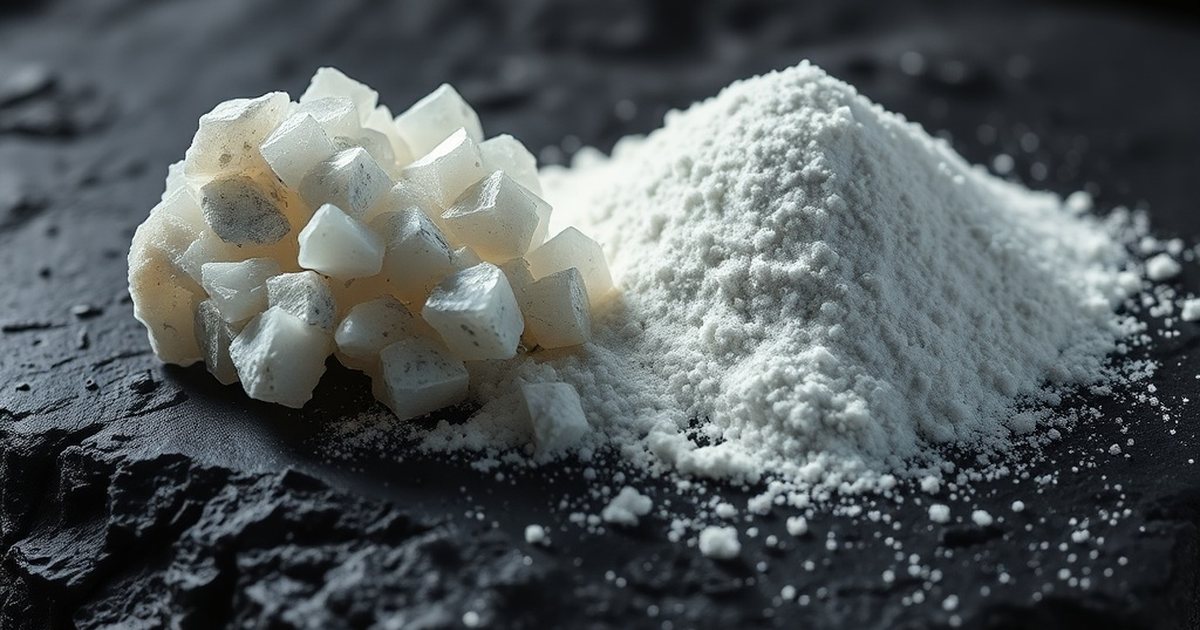
A separate study evaluated a micronized clinoptilolite preparation in a mouse model of colitis and reported it to be both effective at reducing colitis markers and safe within that model’s parameters [1]. That study speaks to gut-level tolerability of a specific clinoptilolite preparation in mice over the trial duration, not to long-term human aluminum accumulation.
Together, these two studies offer limited reassurance, and the aflatoxin study raises a caution for clinoptilolite, but neither directly answers the question of whether long-term human zeolite supplementation raises measurable blood or tissue aluminum levels. That gap in the evidence base is real and should be stated plainly rather than glossed over.
Why This Differs From Aluminum in Antacids or Cookware
Public concern about aluminum exposure is often shaped by soluble aluminum sources: aluminum hydroxide antacids, aluminum-containing food additives, or leaching from cookware. These sources contain aluminum in more chemically available forms.

Clinoptilolite’s aluminum sits inside a rigid, cage-like framework rather than in a soluble salt form. This structural difference is the basis for the argument that lattice-bound aluminum is less readily absorbed. That argument is plausible given how the mineral’s ion-exchange chemistry works, and one human study speaks to it directly. Researchers supplementing patients with a certified clinoptilolite material, and measuring blood metals by ICP-MS, found no rise in blood aluminum one hour after a dose in their 28-day trial; after four years of continued supplementation, aluminum was significantly lower than at baseline[3]. Two things keep that short of proof. The work was carried out with the involvement of the material’s manufacturer, whose employee and scientific advisors are named among the authors, and blood levels are not the same as tracing where a swallowed dose actually goes. It narrows the concern rather than closing it.
Why Sourcing and Third-Party Testing Matter More for Zeolite
Because zeolite is a mined mineral rather than a synthesized compound, its trace element profile, including lead, arsenic, and other heavy metals, varies by geological deposit and by how the raw material is processed and micronized. This is a different risk category than the structural aluminum discussed above: it is about contamination, not the mineral’s inherent composition.
This is why a certificate of analysis (COA) from third-party testing matters more for zeolite products than for many other supplement categories. A COA that verifies heavy metal levels (lead, arsenic, cadmium, mercury) against recognized safety limits gives buyers information that the product’s aluminosilicate structure alone cannot provide.
Who Should Be More Cautious
People with impaired kidney function are generally advised to be more cautious with any aluminum-containing product, since the kidneys are the primary route for clearing absorbed aluminum from the body, and impaired clearance could theoretically allow buildup over time even from otherwise low-bioavailability sources. This is a general precaution based on how aluminum clearance works physiologically, not a finding derived from the zeolite studies cited here.
Pregnant or breastfeeding individuals, and anyone taking medications where mineral binding could interfere with absorption, should also discuss zeolite use with a clinician before starting, given how limited the direct human safety data is for this category.

🛒 Where to Buy Zeolite (Clinoptilolite)
- CleanseParasites Heavy Metal + Microplastics Binder Editor’s Pick
Contains zeolite alongside milk thistle, spirulina, and other binder herbs. - Touchstone Essentials Pure Body Extra Strength Zeolite
liquid, 1 tbsp (15 mL) — Best-known liquid nano-zeolite brand; MLM pricing but widely trusted in alt-health community - BodyBio Zeolite Powder
powder, 1/2 tsp — Practitioner-oriented brand, micronized clinoptilolite powder - Pure Zeolite Zeolite Powder (Ultimate Detox Clay)
powder, 1/4-1 tsp — Budget-friendly micronized powder - Zeo Health ZeoCharge
powder, 1/2 tsp — Long-standing niche zeolite brand, ultra-fine micronized clinoptilolite
As an Amazon Associate we earn from qualifying purchases. Quality varies widely — always choose a product with a published third-party test (COA) before buying.
A Note on the Evidence
Clinical evidence on clinoptilolite is limited to small animal and preclinical studies on gut and toxicity markers, not long-term human aluminum exposure data; the FDA has not evaluated zeolite for any health claim. This article is informational, not medical advice, and anyone with kidney impairment or other health conditions should consult a doctor before use.
Frequently Asked Questions
Does zeolite's aluminum content mean it's unsafe to take?
Not necessarily, aluminum is structurally locked into the mineral’s crystal lattice rather than present as a soluble salt, and in rats the mineral alone was not toxic, although in one study it worsened aflatoxin-related liver damage [2][1]. But direct human data on long-term aluminum absorption from zeolite specifically is limited, so this isn’t a settled question.
Can the aluminum be removed from zeolite products?
No. Aluminum is part of clinoptilolite’s core aluminosilicate framework, the same structure that gives it its cage-like, ion-exchanging pores. A product without aluminum would not be clinoptilolite.

Is zeolite's aluminum the same as the aluminum in antacids?
Not chemically. Antacids typically use more soluble aluminum salts, while clinoptilolite’s aluminum sits within a rigid crystal lattice. This structural difference is the basis for arguments about lower bioavailability, but it hasn’t been directly measured for zeolite in the human evidence base referenced here.
What did the colitis study find about zeolite's safety?
A micronized clinoptilolite preparation reduced colitis markers in a mouse model and was reported as safe within that study’s parameters [1]. This was an animal model over a defined trial period, not a long-term human safety study.
Why does sourcing matter if the aluminum is structural?
Because contamination is a separate issue from structural aluminum. As a mined mineral, zeolite’s trace heavy metal content (lead, arsenic, cadmium) depends on the deposit and processing, which is why third-party certificates of analysis matter for verifying purity.
Who should avoid or be cautious with zeolite?
People with impaired kidney function, since the kidneys clear absorbed aluminum from the body, along with pregnant or breastfeeding individuals, should consult a clinician before use given the limited human safety data available.
References
- Nizet S et al. Clinoptilolite in Dextran Sulphate Sodium-Induced Murine Colitis: Efficacy and Safety of a Microparticulate Preparation. Inflammatory bowel diseases (2017). PMID 29272495
- Mayura K et al. Prevention of maternal and developmental toxicity in rats via dietary inclusion of common aflatoxin sorbents: potential for hidden risks. Toxicological sciences : an official journal of the Society of Toxicology (1998). PMID 9520353
- Kraljević Pavelić S et al. Clinical Evaluation of a Defined Zeolite-Clinoptilolite Supplementation Effect on the Selected Blood Parameters of Patients. Frontiers in Medicine (2022). PMID 35712111
These statements have not been evaluated by the Food and Drug Administration. This information is not intended to diagnose, treat, cure, or prevent any disease. Content is for informational purposes only and is not medical advice; consult a qualified healthcare provider before starting any supplement. As an Amazon Associate we earn from qualifying purchases.