If you’ve started taking clinoptilolite zeolite and felt off afterward, fatigue, headache, loose stools, brain fog, you’ve probably seen this explained as a “detox reaction”: the idea that your body is releasing stored toxins faster than it can process them, and feeling bad is proof it’s working. That framing shows up across a lot of detox supplement marketing, not just zeolite, and it’s worth separating from what’s actually documented.
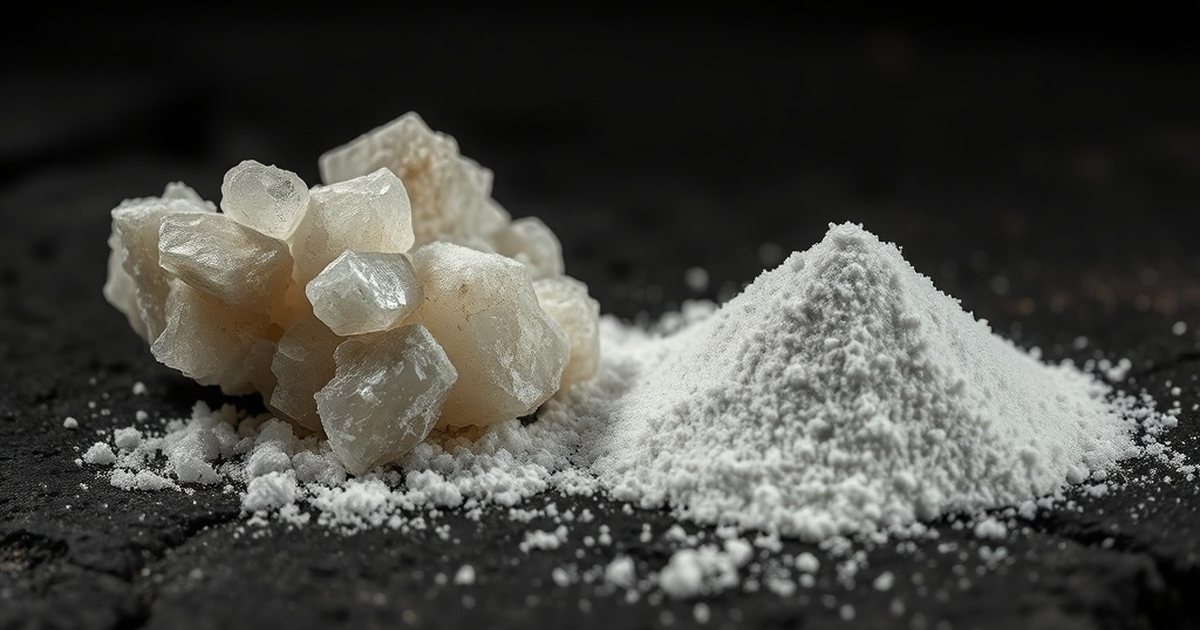
Clinoptilolite is a naturally occurring mineral that binds certain positively charged ions (cations) in the gut, including ammonium and some heavy metal ions, through a process called ion exchange. That’s a real, physical mechanism. But “binding heavy metals in the gut” is a different claim than “pulling heavy metals out of your tissues and making you feel sick in the process,” and the human trial evidence that exists doesn’t test the second claim. This article covers what’s actually been studied, what side effects are documented, and how to think about symptoms you might notice.
Key Takeaways
- No cited human trial measures a “detox symptom” phase for zeolite; the mechanism (toxin mobilization causing temporary worsening) is unverified for this supplement
- The best-supported heavy-metal-related finding is reduced enteral lead uptake at the point of absorption, not removal from tissue [1]
- Documented human trials focus on bone health [2][3], chemo side effects [4], adjuvant cancer therapy [5], and chronic diarrhea [6], not whole-body detox
- GI irritation, mineral/medication interference, nocebo effect, and product contamination are all more plausible explanations for new symptoms than “detox”
- Because zeolite is a mined mineral, verify a current third-party COA for heavy metals before use; this matters more here than for most supplement categories
What "Detox Symptoms" Usually Means in Marketing
The “detox symptom” or “healing crisis” narrative predates zeolite by decades; it’s used across cleanses, fasting protocols, and other supplements. The logic offered is that as toxins mobilize out of fat and tissue, they pass through the bloodstream before elimination, temporarily worsening symptoms before improvement. It’s a plausible-sounding story, but for zeolite specifically, there’s no published human trial that measures blood or tissue toxin mobilization timed to symptom onset. Nothing in the evidence base above tests this mechanism directly.
That doesn’t mean the symptoms people report are imaginary. It means the explanation offered for them (mobilized toxins) is unverified for zeolite, while several more mundane and better-supported explanations exist.

What the Human Trials Actually Measured
The strongest human data on clinoptilolite-based products comes from a few specific contexts, none of which involve whole-body heavy metal detoxification. A modified zeolite (MZ) was studied for osteoporosis, with a 5-year double-blind trial reporting bone-related clinical parameters in supplemented patients [3], building on earlier work modeling the same effect in an osteoporotic rat model and human trial [2].
Separately, a purified clinoptilolite tuff (PMA-zeolite) was tested in a randomized, double-blinded, placebo-controlled trial (ZeOxaNMulti) specifically to see if it reduced chemotherapy-induced side effects, including peripheral neuropathy [4]. Clinoptilolite has also been studied as an adjuvant alongside conventional anticancer therapy [5], and, more recently, in drug-refractory chronic diarrhea [6]. None of these trials were designed to test or confirm a “detox symptom” phase; they measured specific clinical endpoints (bone markers, chemo side effects, GI symptoms) in specific patient populations.

The One Study That Actually Touches Heavy Metals
The most directly relevant trial to the “binds heavy metals” claim is a study of purified clinoptilolite tuff (G-PUR) taken concomitantly with meals, which found it reduced enteral lead uptake in healthy human subjects [1]. That’s a real, useful finding: it supports the ion-exchange mechanism working in the gut, at the point of absorption, to reduce how much lead crosses into the bloodstream in the first place.
Notice what this study does not show: it doesn’t measure symptoms during use, doesn’t test zeolite’s ability to pull lead (or other metals) out of tissue where it’s already stored, and doesn’t report anything resembling a detox reaction. If anything, this mechanism argues against a symptom flare, since reducing absorption should mean less systemic exposure, not more mobilization.

More Likely Explanations for Feeling Bad After Starting Zeolite
Before attributing new symptoms to “detox,” it’s worth ruling out more common and better-documented causes. GI effects are the most plausible: any mineral powder or fiber-adjacent supplement taken on an empty stomach, in high doses, or without enough water can cause bloating, constipation, loose stools, or cramping, simply from mechanical GI irritation or altered transit time, not toxin release. The chronic diarrhea trial data [6] is about therapeutic use in a GI disease context, not evidence that zeolite routinely causes diarrhea in healthy users, but it does confirm the product is GI-active, meaning GI side effects in general use aren’t implausible.
Mineral binding itself is a second candidate: because clinoptilolite binds cations non-selectively to some degree, it could theoretically interfere with absorption of dietary minerals or medications if taken at the same time, producing fatigue or brain fog from a temporary nutrient deficit rather than a toxin release. Third, and often underweighted, is expectation effect (nocebo): if you start a product marketed with “you may feel worse before you feel better,” you are primed to notice and attribute normal daily fluctuations in energy or mood to the supplement.
Finally, product quality is a real, zeolite-specific variable. Because clinoptilolite is a mined mineral, contamination with lead or other heavy metals varies by source and processing. A poorly purified product could theoretically introduce, rather than remove, unwanted material. This is one of the few supplement categories where third-party Certificate of Analysis (COA) verification isn’t optional diligence, it’s central to whether the product does what it claims.
What Would Actually Distinguish Real Detox Symptoms From Something Else
If a symptom is truly dose-dependent on toxin mobilization, you’d expect it to correlate with your existing body burden (someone with genuinely elevated lead or cadmium exposure showing more effect than someone without), to be measurable via blood or urine metal testing, and to resolve as mobilization completes. None of the cited trials collected this kind of paired symptom-and-biomarker data for zeolite, so there’s no way to confirm this pattern is happening in any individual user based on symptoms alone.

In practice, if new symptoms appear after starting zeolite, the more actionable steps are: check timing relative to food and other supplements/medications, check hydration and dose, check whether the product has a current third-party COA, and consider stopping for a few days to see if symptoms resolve, a change that a genuine “mobilization” narrative wouldn’t necessarily predict, but a GI irritation or nocebo explanation would.
🛒 Where to Buy Zeolite (Clinoptilolite)
- CleanseParasites Heavy Metal + Microplastics Binder Editor’s Pick
Contains zeolite alongside milk thistle, spirulina, and other binder herbs. - Touchstone Essentials Pure Body Extra Strength Zeolite
liquid, 1 tbsp (15 mL) — Best-known liquid nano-zeolite brand; MLM pricing but widely trusted in alt-health community - BodyBio Zeolite Powder
powder, 1/2 tsp — Practitioner-oriented brand, micronized clinoptilolite powder - Pure Zeolite Zeolite Powder (Ultimate Detox Clay)
powder, 1/4-1 tsp — Budget-friendly micronized powder - Zeo Health ZeoCharge
powder, 1/2 tsp — Long-standing niche zeolite brand, ultra-fine micronized clinoptilolite
As an Amazon Associate we earn from qualifying purchases. Quality varies widely — always choose a product with a published third-party test (COA) before buying.

A Note on the Evidence
The FDA has not evaluated zeolite for any health claim, and the human evidence cited here comes from small trials in specific contexts (osteoporosis, chemotherapy side effects, chronic diarrhea, lead absorption), not general detoxification. Anyone on medications, with kidney issues, or considering zeolite for a medical condition should talk to a doctor first; this article is informational, not medical advice.
Frequently Asked Questions
Is feeling worse after starting zeolite a sign it's working?
There’s no human trial evidence that symptom worsening indicates a functioning “detox” process for zeolite. GI irritation, dosing, interactions, or nocebo effect are more documented and more likely explanations for new symptoms.
Does zeolite pull heavy metals out of your tissues?
The available human evidence shows clinoptilolite can reduce lead absorption in the gut when taken with meals [1], not that it extracts metals already stored in tissue. Those are different claims, and only the first has trial support.
Can zeolite cause diarrhea or GI symptoms?
A recent trial studied clinoptilolite as a treatment for drug-refractory chronic diarrhea [6], which confirms it’s GI-active, but this is a therapeutic-use context, not evidence that it commonly causes diarrhea in healthy people. GI symptoms in general users are more likely tied to dose, hydration, or an empty stomach.

Has zeolite been studied for cancer treatment side effects?
Yes. A randomized, double-blinded, placebo-controlled trial tested oral PMA-zeolite specifically to prevent chemotherapy-induced side effects, including peripheral neuropathy [4], and clinoptilolite has separately been studied as an adjuvant in anticancer therapy [5]. These are specific clinical contexts, not general wellness detox claims.
Why does product quality matter so much for zeolite specifically?
Because clinoptilolite is a mined mineral rather than a synthesized compound, contamination with lead or other heavy metals can vary by source and processing method. A poorly purified product could introduce contaminants rather than remove them, which is why third-party COA verification matters more here than for most supplements.
Is there evidence zeolite helps bone health?
A modified zeolite showed beneficial effects in an osteoporotic rat model and an initial human clinical trial [2], with a subsequent 5-year double-blinded trial reporting clinical parameters in osteoporosis patients supplemented with PMA-zeolite [3]. This is a distinct research area from detox claims.
References
- Samekova K et al. Concomitant oral intake of purified clinoptilolite tuff (G-PUR) reduces enteral lead uptake in healthy humans. Scientific reports (2021). PMID 34285282
- Kraljević Pavelić S et al. Treatment of osteoporosis with a modified zeolite shows beneficial effects in an osteoporotic rat model and a human clinical trial. Experimental biology and medicine (Maywood, N.J.) (2021). PMID 33183068
- Kraljević Pavelić S et al. Clinical Parameters in Osteoporosis Patients Supplemented With PMA-Zeolite at the End of 5-Year Double-Blinded Clinical Trial. Frontiers in medicine (2022). PMID 35833103
- Vitale MG et al. ZeOxaNMulti Trial: A Randomized, Double-Blinded, Placebo-Controlled Trial of Oral PMA-zeolite to prevent Chemotherapy-Induced Side Effects, in particular, Peripheral Neuropathy. Molecules (Basel, Switzerland) (2020). PMID 32414185
- Pavelić K et al. Natural zeolite clinoptilolite: new adjuvant in anticancer therapy. Journal of molecular medicine (Berlin, Germany) (2001). PMID 11434724
- Palmieri B et al. Clinoptilolite in the drug refractory chronic diarrhoea. La Clinica terapeutica (2025). PMID 39957445
These statements have not been evaluated by the Food and Drug Administration. This information is not intended to diagnose, treat, cure, or prevent any disease. Content is for informational purposes only and is not medical advice; consult a qualified healthcare provider before starting any supplement. As an Amazon Associate we earn from qualifying purchases.