Zeolite, and specifically the mineral clinoptilolite, shows up in a lot of gut-health and detox marketing, often alongside claims about stopping diarrhea. The strongest evidence for this use isn’t in humans, it’s in livestock research, where clinoptilolite-rich clay has been studied as a feed additive in pigs for decades. That research is genuinely useful to understand, but it answers a narrower question than most marketing implies: does adding zeolite clay to animal feed affect gut function, stool consistency, and performance in young, weaned, or stressed animals.
This article walks through what the veterinary and animal-science literature actually found, why pigs are the main model, what the proposed mechanisms are, and where the evidence stops short of supporting zeolite as a human diarrhea remedy. None of this is medical advice, and the FDA has not evaluated zeolite for treating diarrhea or any other condition in people.
Key Takeaways
- The strongest evidence for clinoptilolite zeolite and gut/diarrhea outcomes comes from swine nutrition research, not human trials [1][2]
- Weaned piglets are used as a stress model for diarrhea because weaning triggers gut and microbiome disruption; zeolite additives have been tested against that specific scenario [3]
- The proposed mechanism is ion exchange and adsorption within zeolite’s porous crystal structure, binding cations and some toxins [4][5]
- Animal feed-additive results do not equal proven human diarrhea treatment; human clinical evidence is limited to small trials on gut/immune markers
- Because zeolite is a mined mineral, heavy metal contamination varies by source, third-party COA testing matters more here than for most supplements
Why Pigs Are the Main Model for This Research
Most of the applied research on clinoptilolite and gut function comes from swine nutrition science, not human trials. Weaned piglets are a classic model for diarrhea research because weaning is a high-stress transition: piglets move from sow’s milk to solid feed, their gut microbiota shifts abruptly, and post-weaning diarrhea is a common, costly problem in commercial pig production. That makes pigs a practical population for testing feed additives meant to stabilize gut function, and clinoptilolite and related clay minerals have been reviewed as one such additive category [1].
This matters for interpretation: the research question in these studies is usually ‘does this clay improve growth performance and reduce scours (diarrhea) in a nutritionally and physiologically stressed young pig,’ not ‘does zeolite cure diarrhea in a healthy adult human.’ The population, dose, and delivery method (mixed into feed continuously, not taken as an occasional capsule) are all specific to livestock management.

What the Clinoptilolite Feeding Studies Found
A field study on weaned, growing, and finishing pigs tested a clinoptilolite-rich tuff added to feed, alone and combined with certain antimicrobials, and evaluated health status and performance outcomes [2]. This kind of applied, farm-based study is where most of the practical evidence for clinoptilolite’s effects on pig gut health comes from, it’s observational and performance-focused rather than a tightly controlled mechanistic trial.
Separately, a nursery pig study looked at sodium sulfate in drinking water, a common cause of diarrhea in pigs, and tested whether nonnutritive feed additives could mitigate those effects [3]. This line of research is relevant because it directly targets diarrhea as an outcome, but it’s testing additives against a specific water-quality-induced diarrhea model in pigs, a very different scenario from typical human diarrhea causes like viral gastroenteritis, food-borne illness, or irritable bowel patterns.
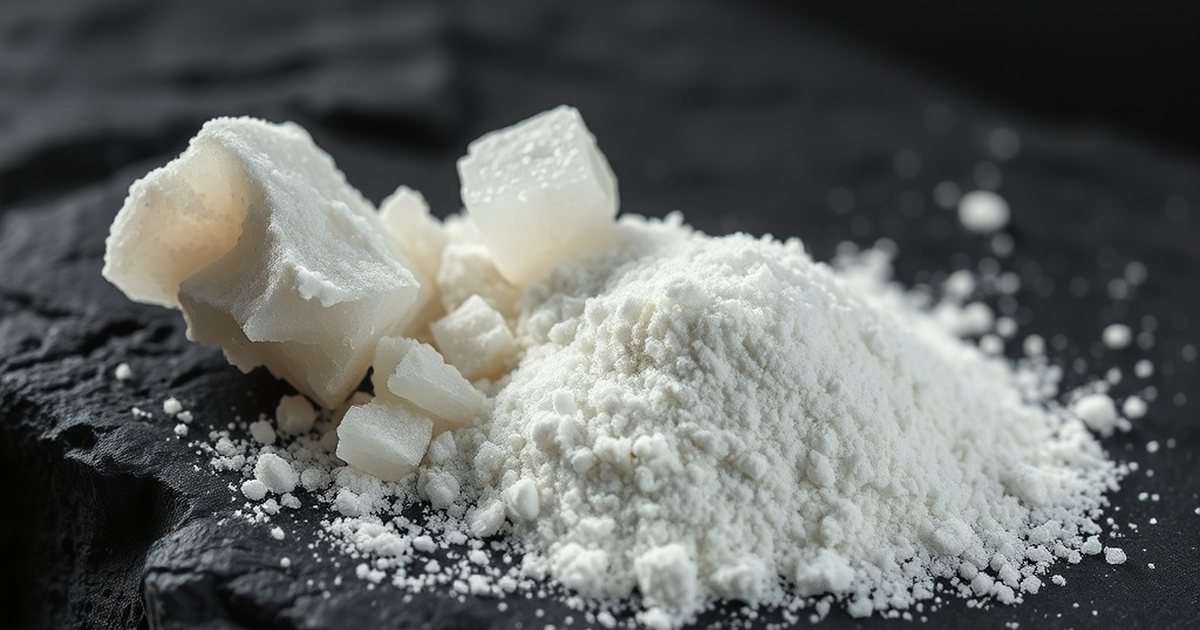
The broader review of clays as dietary supplements for swine situates clinoptilolite among several clay minerals (including bentonite and kaolin) studied for binding capacity, toxin adsorption, and gut effects in pig diets [1]. Reviews like this are useful for seeing the state of the field, but they also make clear that effects vary by clay type, source, particle size, and inclusion rate, findings don’t automatically generalize from one zeolite product to another.
The Proposed Mechanism: Ion Exchange and Adsorption
Clinoptilolite’s proposed gut effects come from its physical structure. It’s a natural aluminosilicate with a porous, cage-like crystal lattice that can bind cations through ion exchange, including ammonium and some heavy metal ions, and adsorb other molecules onto its surface. In a pig’s gut, the working hypothesis is that this binding capacity can help buffer excess moisture, bind certain toxins or irritants, and stabilize the intestinal environment during a period (like weaning) when the gut is more vulnerable to disruption.

Outside the gut-specific literature, clinoptilolite’s ion-exchange and adsorptive properties have also drawn interest in other medical contexts, for example as an adjuvant material studied in early anticancer research [4] and in preliminary work characterizing natural zeolites for medical preparations [5]. These studies aren’t about diarrhea at all, but they illustrate that the core mineral chemistry, cation binding and surface adsorption, is the same mechanism researchers keep coming back to across different applications.
From Pig Barns to Human Supplements: The Evidence Gap
None of the studies cited above were conducted in humans, and none directly tested a commercial zeolite supplement product for treating human diarrhea. The swine studies used specific agricultural formulations (clinoptilolite-rich tuff mixed into feed), specific dosing regimens tied to animal body weight and production stage, and outcomes measured in performance metrics (growth rate, feed conversion, scours incidence) that don’t map cleanly onto a person’s subjective experience of a stomach bug or chronic loose stools.
Extrapolating ‘this clay reduced diarrhea in weaned piglets’ to ‘this supplement will fix your diarrhea’ skips several steps: differences in gut anatomy and microbiome between pigs and humans, differences in what’s actually causing the diarrhea, and the simple fact that human clinical trials on zeolite for gut symptoms are limited to small studies on gut and immune markers, not diarrhea treatment outcomes specifically. Right now, the honest summary is that clinoptilolite has a plausible mechanism and supportive animal data in a very specific livestock context, not a demonstrated human treatment effect.
Purity and Sourcing: Why It Matters More for Zeolite
Because clinoptilolite is a mined mineral, its exact composition depends on the geological deposit it came from and how it’s processed afterward. Zeolite ore can naturally co-occur with other minerals, and contamination with lead or other heavy metals varies by source. This is a bigger quality-control concern for zeolite than for many synthesized or agriculturally grown supplements, where raw material variability is lower.

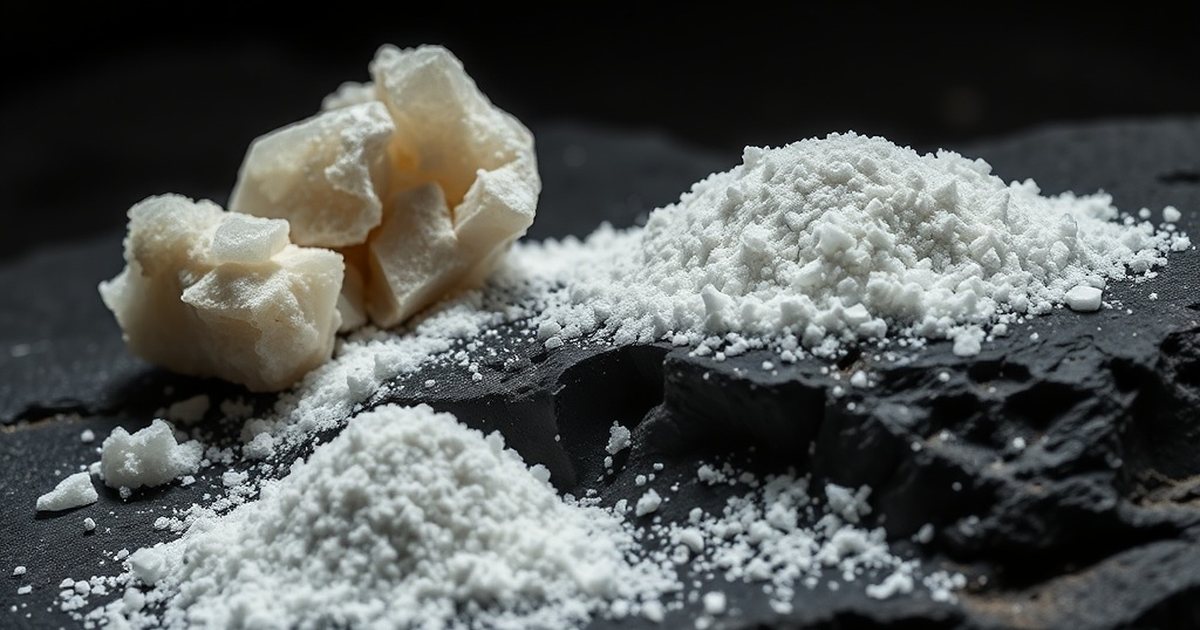
For anyone considering a zeolite product, third-party Certificate of Analysis (COA) verification for heavy metals is a more important checkpoint here than it is for most supplement categories. A product without transparent, source-specific heavy metal testing is a bigger question mark for zeolite than it would be for, say, a standardized botanical extract.
🛒 Where to Buy Zeolite (Clinoptilolite)
- CleanseParasites Heavy Metal + Microplastics Binder Editor’s Pick
Contains zeolite alongside milk thistle, spirulina, and other binder herbs. - Touchstone Essentials Pure Body Extra Strength Zeolite
liquid, 1 tbsp (15 mL) — Best-known liquid nano-zeolite brand; MLM pricing but widely trusted in alt-health community - BodyBio Zeolite Powder
powder, 1/2 tsp — Practitioner-oriented brand, micronized clinoptilolite powder - Pure Zeolite Zeolite Powder (Ultimate Detox Clay)
powder, 1/4-1 tsp — Budget-friendly micronized powder - Zeo Health ZeoCharge
powder, 1/2 tsp — Long-standing niche zeolite brand, ultra-fine micronized clinoptilolite
As an Amazon Associate we earn from qualifying purchases. Quality varies widely — always choose a product with a published third-party test (COA) before buying.

A Note on the Evidence
This article summarizes animal and veterinary feed-additive research, not human clinical trials on diarrhea, and the FDA has not evaluated zeolite for any health claim. Anyone with persistent, severe, or bloody diarrhea, or diarrhea in a child, older adult, or immunocompromised person, should see a doctor rather than relying on a supplement.
Frequently Asked Questions
Has zeolite been proven to stop diarrhea in humans?
No. The research on clinoptilolite and diarrhea-related outcomes is concentrated in pig studies, particularly weaned and nursery pigs [2][3]. Human clinical evidence is limited to small trials on gut and immune markers, not a demonstrated diarrhea treatment effect.
Why are pigs used to study zeolite and diarrhea?
Weaned piglets undergo an abrupt dietary and microbiome shift that commonly triggers post-weaning diarrhea, making them a practical, widely used model for testing feed additives aimed at gut stability and performance [1].
What is the proposed mechanism behind zeolite's effect on the gut?
Clinoptilolite has a porous, cage-like crystal structure that binds cations, including ammonium and some heavy metal ions, through ion exchange and surface adsorption. This binding capacity is the basis for its studied role in animal feed and other medical preparations [5].

Does the pig research mean zeolite supplements work the same way in people?
Not necessarily. The pig studies used specific feed formulations, doses tied to animal production stages, and performance-based outcomes; none tested a human supplement product or measured human diarrhea directly, so the results don’t automatically transfer.
Is zeolite used for anything besides gut health in the research record?
Yes. Clinoptilolite’s ion-exchange properties have also been explored as an adjuvant material in early anticancer research and in preliminary characterization of zeolites for other medical preparations [4][5], separate from any diarrhea-specific application.
What should someone check before trying a zeolite product?
Because zeolite is a mined mineral with source-dependent composition, look for third-party Certificate of Analysis testing for heavy metals like lead, this matters more for zeolite than for many other supplement categories, and talk to a doctor before use, especially for ongoing or severe diarrhea.
References
- Subramaniam MD et al. Clays as dietary supplements for swine: A review. Journal of animal science and biotechnology (2015). PMID 26301092
- Papaioannou DS et al. A field study on the effect of the dietary use of a clinoptilolite-rich tuff, alone or in combination with certain antimicrobials, on the health status and performance of weaned, growing and finishing pigs. Research in veterinary science (2004). PMID 14659725
- Flohr JR et al. The effects of sodium sulfate in the water of nursery pigs and the efficacy of nonnutritive feed additives to mitigate those effects. Journal of animal science (2014). PMID 24981569
- Pavelić K et al. Natural zeolite clinoptilolite: new adjuvant in anticancer therapy. Journal of molecular medicine (Berlin, Germany) (2001). PMID 11434724
- Andronescu E et al. [Natural zeolites with medical applications–preliminary preparation and characterization]. Revista medico-chirurgicala a Societatii de Medici si Naturalisti din Iasi (2006). PMID 19292114
These statements have not been evaluated by the Food and Drug Administration. This information is not intended to diagnose, treat, cure, or prevent any disease. Content is for informational purposes only and is not medical advice; consult a qualified healthcare provider before starting any supplement. As an Amazon Associate we earn from qualifying purchases.