Zeolite supplements come in wildly different forms, powders, liquid suspensions, and capsules, and the dosing advice on the label often varies just as much from one brand to the next. If you’ve searched for a definitive ‘right dose,’ the honest answer is that no such number has been established in human research.
This article walks through how zeolite dosing is typically approached, what factors might reasonably affect an amount, and where the evidence runs out. It’s meant to help you read labels critically and ask better questions, not to prescribe a specific milligram target.
Key Takeaways
- No human clinical trial has established a standard or optimal zeolite dose; label amounts are set by manufacturers, not by dose-ranging studies.
- Common practice is starting low and increasing gradually, but this is a caution rooted in general supplement sense, not zeolite-specific trial data.
- Because zeolite is a mined mineral, contamination varies by source, a third-party COA matters more than chasing a specific milligram target.
- Separate zeolite from medications by a couple of hours as a precaution, since its binding mechanism could plausibly affect drug absorption.
- Newer zeolite research, like engineered nanocomposites, tests very different applications than oral supplement dosing and shouldn’t be read as dosing evidence.
Why There's No Standard Zeolite Dose
Unlike a drug with defined pharmacokinetics, zeolite is a mined mineral marketed as a supplement, and the FDA has not evaluated it for any health claim. That means there’s no regulatory body that has set an established effective dose, a maximum safe dose, or an age-based dosing chart the way there would be for an approved medication.
A 2003 safety assessment of zeolite and related silicate minerals used in cosmetics and consumer products found the compounds generally recognized as safe for topical and limited use, but that review was not designed to establish an optimal oral dose for gut or detox purposes, and it predates most of the products sold today [1]. In practice, dosing recommendations you see on product labels are set by manufacturers based on tradition, internal testing, or extrapolation, not on dose-ranging clinical trials in humans.

How Manufacturers Typically Set Dosing Ranges
Most zeolite products on the market suggest doses somewhere in the range of a few hundred milligrams to a few grams per day, often split into two or three smaller doses rather than one large one. The rationale usually given is that smaller, more frequent doses may allow more consistent contact between the zeolite’s cage-like lattice and material in the gut, since its proposed mechanism is ion exchange and adsorption as it passes through, not systemic absorption.
Liquid suspensions (‘activated’ or micronized liquid zeolite) are often dosed in drops or milliliters, while powders are dosed by scoop or gram weight, and capsules by count. These formats aren’t necessarily equivalent milligram-for-milligram once you account for particle size and suspension concentration, which is another reason a single universal dose doesn’t translate cleanly across product types.
Starting Low and the 'Start Low, Go Slow' Approach
Many zeolite brands and practitioners recommend starting at a fraction of the eventual target dose, then increasing gradually over one to two weeks. This is a common-sense caution for any new gut-active supplement, not a finding specific to zeolite from a clinical trial, so treat it as a practical suggestion rather than an evidence-based protocol.
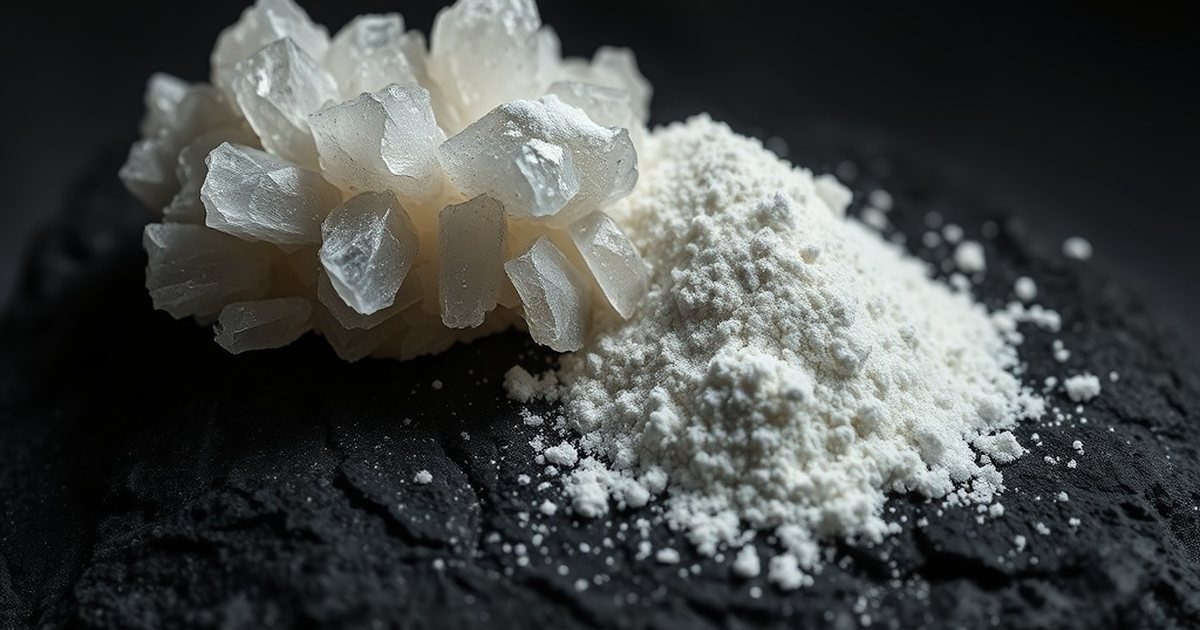
The idea is partly to gauge individual tolerance, since gut minerals can affect bowel regularity, and partly to allow you to stop early if you notice unwanted effects like constipation, bloating, or changes in appetite. There is no published human dosing study that validates a specific ramp-up schedule for zeolite specifically.

Timing: With Food, Between Meals, or Before Bed?
Product instructions differ on timing almost as much as they do on amount. Some recommend taking zeolite on an empty stomach, reasoning that food may compete for binding sites in the gut; others recommend taking it with food to reduce the chance of stomach upset; still others suggest it’s fine any time as long as it’s taken away from medications.
None of these timing claims have been tested head-to-head in controlled human trials, so there’s no way to say one schedule is measurably better than another based on current evidence. What is worth taking seriously, regardless of brand-specific timing advice, is separating zeolite from prescription medications by a couple of hours, since a mineral that binds cations in the gut could plausibly interfere with the absorption of other compounds, even though this hasn’t been directly studied for zeolite and oral drugs.
Zeolite (Clinoptilolite) Dosage & Cost Calculator
Based on the labeled dose options for Mimi's Miracle Zeolites Liquid Drops and the published 60-count bottle at $42.95.
Open the full dosage & cost calculator →
Estimate only – based on the current listed price of the 60-count Mimi's Miracle Zeolites Liquid Drops bottle. Actual Amazon price can change; check the live price before buying.
Why no height/weight input? Unlike per-kg supplements (creatine, protein), Zeolite (Clinoptilolite) has no published bodyweight-adjusted dosing in the research behind it. This calculator doesn't fabricate a per-kg formula that doesn't exist in the literature.
Get Mimi's Miracle Zeolites Liquid Drops on Amazon(paid link) As an Amazon Associate we earn from qualifying purchases.
Why Source and Purity Matter More Than the Milligram Count
Because zeolite is a mined aluminosilicate, its composition is not standardized the way a synthesized compound would be. Contamination with lead or other heavy metals can vary meaningfully depending on the mine source and how the material is processed and purified, which means two products labeled with the same milligram dose are not necessarily delivering the same thing.
This is arguably a more important variable than fine-tuning the exact dose. A third-party Certificate of Analysis (COA) confirming heavy metal testing is a more meaningful signal of quality than a manufacturer’s specific dosing chart, since a ‘higher dose’ of a poorly sourced product isn’t a benefit. Most of the available toxicology work on this mineral class comes from a broader industry safety review rather than product-specific testing of each brand on the market [1].

What the Newer Research Actually Tested
It’s worth being clear about what current zeolite research does and doesn’t cover. A 2025 study engineered a quercetin-loaded magnetic zeolite nanocomposite and evaluated its anti-cancer effects in a lab setting, which is a materials-science application of zeolite as a drug-delivery scaffold, not a study of oral zeolite supplement dosing in people [2].
This distinction matters because it’s easy for marketing copy to blur the line between ‘zeolite has been studied’ and ‘zeolite has been studied for the specific use and dose on this label.’ The engineered nanocomposite research is a real and interesting direction for zeolite in medicine, but it says nothing about how many milligrams of a gut-support supplement someone should take daily.
🛒 Where to Buy Zeolite (Clinoptilolite)
- CleanseParasites Heavy Metal + Microplastics Binder Editor’s Pick
Contains zeolite alongside milk thistle, spirulina, and other binder herbs. - Touchstone Essentials Pure Body Extra Strength Zeolite
liquid, 1 tbsp (15 mL) — Best-known liquid nano-zeolite brand; MLM pricing but widely trusted in alt-health community - BodyBio Zeolite Powder
powder, 1/2 tsp — Practitioner-oriented brand, micronized clinoptilolite powder - Pure Zeolite Zeolite Powder (Ultimate Detox Clay)
powder, 1/4-1 tsp — Budget-friendly micronized powder - Zeo Health ZeoCharge
powder, 1/2 tsp — Long-standing niche zeolite brand, ultra-fine micronized clinoptilolite
As an Amazon Associate we earn from qualifying purchases. Quality varies widely — always choose a product with a published third-party test (COA) before buying.

A Note on the Evidence
This article is informational, not medical advice; clinical evidence on zeolite in humans is limited to small studies on gut and immune markers, not whole-body detoxification claims, and dosing recommendations here reflect common product practice rather than established science. Talk to a doctor before starting zeolite, especially if you take medications, are pregnant or breastfeeding, or have kidney or gastrointestinal conditions, and prioritize products with third-party heavy metal testing given documented contamination variability in this mineral class.
Frequently Asked Questions
Is there an FDA-approved zeolite dose?
No. The FDA has not evaluated zeolite for any health claim, so there is no approved or officially recommended dose. Any dosing figure you see on a product label reflects that manufacturer’s own guidance, not a regulatory standard.
Can I just take more zeolite for a stronger effect?
There’s no clinical evidence in humans establishing a dose-response relationship for whole-body detoxification claims, so ‘more’ isn’t established to mean ‘more effective.’ Given that contamination risk varies by source, taking a larger amount of a poorly tested product increases exposure to whatever impurities it may contain [1].
Should I take zeolite with food or on an empty stomach?
Product instructions vary and there is no published human trial comparing timing strategies for zeolite specifically. Choose based on your own digestive tolerance, and if in doubt, follow the specific product’s instructions since formulation differences may matter.

How long should I wait between zeolite and my medications?
A gap of a couple of hours is a common precaution given zeolite’s proposed ion-exchange and adsorption mechanism in the gut, though this hasn’t been directly tested with oral drugs in clinical trials. Talk to a pharmacist or doctor about your specific medications before combining them with any gut-binding supplement.
Does a higher price or higher dose mean a purer product?
Not necessarily. Price and dose don’t substitute for actual testing, look for a third-party Certificate of Analysis confirming heavy metal levels, since purity concerns for this mineral class are documented in safety literature independent of dose or cost [1].
Is zeolite being studied for anything beyond gut supplements?
Yes, but in different contexts. For example, researchers have engineered zeolite-based nanocomposites as drug-delivery materials for cancer research, which is a materials-science application distinct from, and not evidence for, oral supplement dosing [2].
References
- Elmore AR et al. Final report on the safety assessment of aluminum silicate, calcium silicate, magnesium aluminum silicate, magnesium silicate, magnesium trisilicate, sodium magnesium silicate, zirconium silicate, attapulgite, bentonite, Fuller's earth, hectorite, kaolin, lithium magnesium silicate, lithium magnesium sodium silicate, montmorillonite, pyrophyllite, and zeolite. International journal of toxicology (2003). PMID 12851164
- Babaei M et al. Quercetin loaded-magnetic zeolite nano-composite material and evaluate its anti-cancer effect. Naunyn-Schmiedeberg's archives of pharmacology (2025). PMID 40227305
These statements have not been evaluated by the Food and Drug Administration. This information is not intended to diagnose, treat, cure, or prevent any disease. Content is for informational purposes only and is not medical advice; consult a qualified healthcare provider before starting any supplement. As an Amazon Associate we earn from qualifying purchases.