Parasite cleanse protocols sold online often bundle several ingredients together, and clinoptilolite (a natural zeolite) is a common addition alongside herbal antiparasitics like wormwood, black walnut, or clove. The pitch is usually that zeolite ‘binds toxins and dead parasites’ released during a cleanse, helping the body clear them out. That claim sounds mechanistically plausible on the surface, but it is worth separating what zeolite is actually documented to do from what marketing copy assumes it does.
This article covers the honest mechanism behind zeolite’s inclusion in these protocols, what it may add to a gut-support routine, and where the evidence gap is largest. Human trials of clinoptilolite do exist, and it is worth naming what they actually studied, because none of them studied parasites. One randomised placebo-controlled trial measured absorption of a swallowed lead isotope and found purified clinoptilolite reduced it by about 90%[1]; another randomised trial tested it against the symptoms of diarrhoea-predominant irritable bowel syndrome and missed its primary endpoint, with 21% of the treated group reporting relief against 25% on placebo[2]. Everything said below about cleanse protocols is therefore mechanism, not measured outcome. This is informational only, not medical advice.
Key Takeaways
- Zeolite’s role in a parasite cleanse is a binding hypothesis based on its mineral chemistry, not a proven antiparasitic effect.
- It does not kill or expel parasites; any proposed benefit is limited to gut-level ion exchange and adsorption.
- No parasite-cleanse-specific human trial evidence supports the marketing claims often made for it.
- The FDA has not evaluated zeolite for any health claim.
- Because it’s a mined mineral, heavy metal contamination varies by source, always ask for a current, batch-specific COA.
What Zeolite Actually Is
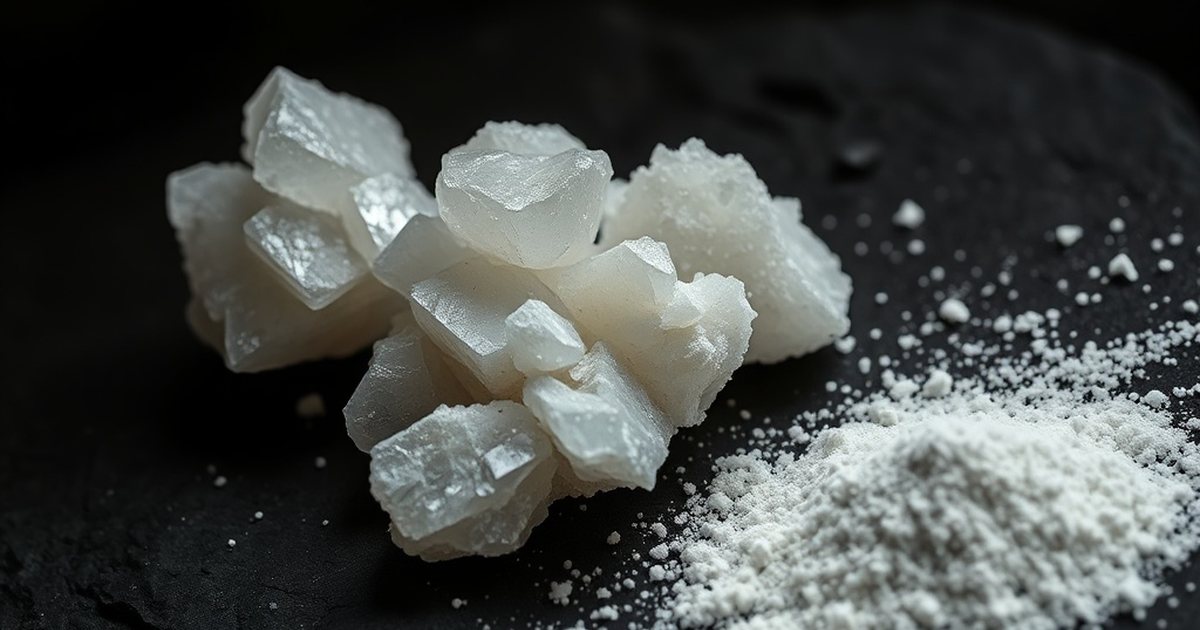
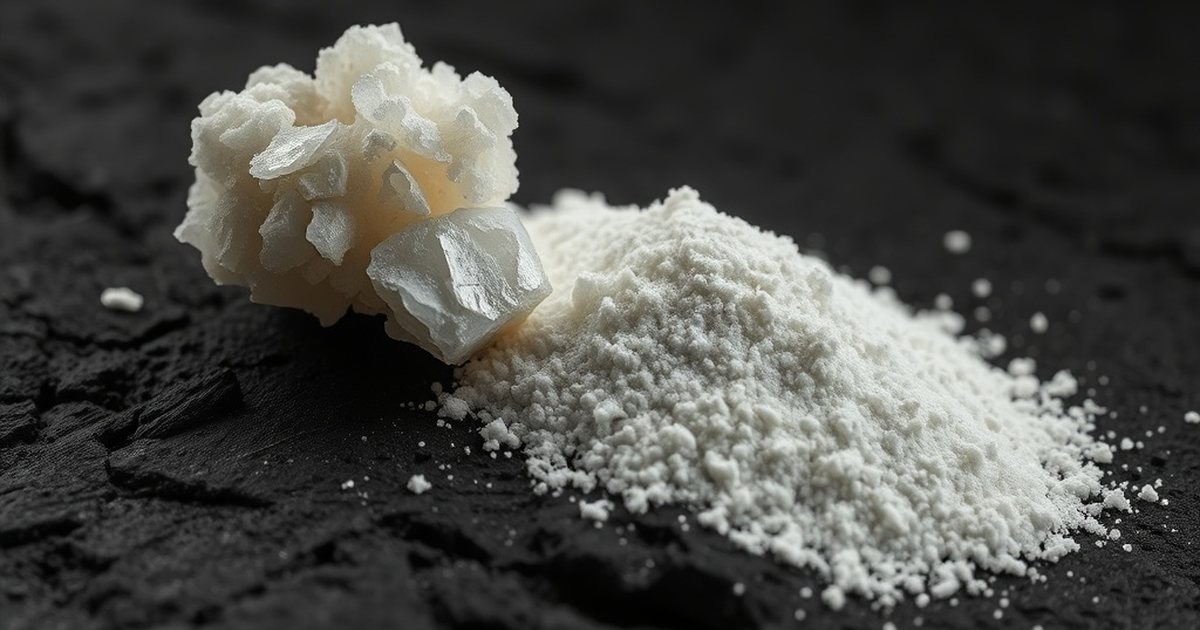
Clinoptilolite is a naturally occurring aluminosilicate mineral with a porous, cage-like crystal structure. That lattice gives it a large internal surface area and a negative charge, which lets it attract and hold onto positively charged ions (cations) through a process called ion exchange, along with some adsorption of larger molecules onto its surface. This is the same basic chemistry used in water filtration and agricultural applications, which is where zeolite’s reputation as a ‘binder’ comes from.
In supplement form, it is sold as a micronized powder, a liquid suspension, or in capsules, generally marketed for gut and general detox support rather than as a treatment for any specific condition.
Why Cleanse Protocols Pair It With Antiparasitics
The logic behind adding zeolite to a parasite cleanse is a binding hypothesis: as antiparasitic herbs do their work, the idea is that zeolite’s ion-exchange capacity in the gut could help mop up some byproducts before they’re reabsorbed, similar to how activated charcoal or bentonite clay are used in other cleanse stacks. This is a reasonable extension of zeolite’s known chemistry, but it is an inference, not something demonstrated in human parasite-cleanse trials.
It’s also worth being clear about what zeolite is not doing: it has no established antiparasitic action of its own. It doesn’t kill, paralyze, or expel parasites. Its proposed role, where evidence exists at all, is limited to gut-level binding and adsorption, not eradication.

What the Clinical Evidence Actually Covers
No published trial has tested clinoptilolite for parasite clearance in people. Not a small one, not an inconclusive one. The human literature pairing zeolite with parasites, helminths or deworming is drug-delivery chemistry and reviews of unrelated conditions; nothing in it gave zeolite to infected people and counted parasites. The closest human evidence is a randomised trial of gut symptoms that did not meet its primary endpoint[2]. So any claim that zeolite improves the outcome of a parasite cleanse is unproven in the strict sense: it has not been tested, rather than tested and found wanting.
The FDA has not evaluated zeolite for any health claim. That regulatory gap matters here specifically because parasite cleanse marketing sometimes implies a level of validated efficacy that doesn’t exist for this ingredient.
The Contamination Question Specific to Zeolite
Because zeolite is a mined mineral rather than a synthesized or botanical ingredient, its purity depends heavily on the specific deposit it was sourced from and how it was processed afterward. Heavy metal contamination, including lead, varies by source. This is a different risk profile than most herbal supplements carry, and it’s the reason third-party Certificate of Analysis (COA) verification matters more here than it does for many other ingredients in a cleanse stack.
Before using a zeolite product as part of any cleanse protocol, it’s reasonable to ask the seller for a current, batch-specific COA showing heavy metal testing, rather than relying on a generic ‘lab tested’ claim on the label.
Realistic Expectations If You're Considering It
If someone is already committed to an herbal parasite cleanse protocol and considering adding zeolite, the honest framing is: it may plausibly assist with gut-level binding based on its known ion-exchange chemistry, but there is no established parasite-specific clinical benefit, no FDA evaluation of any health claim, and a real contamination risk that depends on sourcing quality. It’s an adjunct with a plausible mechanism, not a documented active treatment.

Anyone with kidney issues, on medications that could be affected by mineral binding, pregnant, or with a diagnosed parasitic infection should talk to a doctor before adding zeolite or any cleanse protocol, since binding agents can interact with nutrient and medication absorption in the gut.
🛒 Where to Buy Zeolite (Clinoptilolite)
- CleanseParasites Heavy Metal + Microplastics Binder Editor’s Pick
Contains zeolite alongside milk thistle, spirulina, and other binder herbs. - Touchstone Essentials Pure Body Extra Strength Zeolite
liquid, 1 tbsp (15 mL) — Best-known liquid nano-zeolite brand; MLM pricing but widely trusted in alt-health community - BodyBio Zeolite Powder
powder, 1/2 tsp — Practitioner-oriented brand, micronized clinoptilolite powder - Pure Zeolite Zeolite Powder (Ultimate Detox Clay)
powder, 1/4-1 tsp — Budget-friendly micronized powder - Zeo Health ZeoCharge
powder, 1/2 tsp — Long-standing niche zeolite brand, ultra-fine micronized clinoptilolite
As an Amazon Associate we earn from qualifying purchases. Quality varies widely — always choose a product with a published third-party test (COA) before buying.
A Note on the Evidence
No specific human clinical trial evidence on zeolite in parasite cleanse contexts was available to cite in this article, and the FDA has not evaluated zeolite for any health claim; this is informational content, not medical advice, and anyone with a suspected parasitic infection or underlying health condition should consult a doctor.
Frequently Asked Questions
Does zeolite kill parasites?
No. Zeolite has no documented antiparasitic action. Its proposed role in a cleanse is limited to binding certain substances in the gut via ion exchange, not eliminating parasites directly.

Is there clinical proof zeolite helps during a parasite cleanse?
No human trial evidence specific to parasite cleansing was available to cite for this article. Existing small clinical studies on zeolite look at gut and immune markers generally, not parasite clearance.
Is zeolite FDA-approved for detox or gut health?
No. The FDA has not evaluated zeolite for any health claim, so any such claim on a product label is not a regulatory endorsement.
Why does contamination matter more for zeolite than other supplements?
Zeolite is a mined mineral, so its purity depends on the deposit and processing method. Heavy metal levels, including lead, vary by source, which is why third-party COA testing is especially important.
Who should be cautious about using zeolite?
People with kidney issues, those on medications, pregnant individuals, and anyone with a diagnosed parasitic infection should consult a doctor first, since binding agents can affect nutrient and medication absorption.
Should zeolite replace medical treatment for a confirmed parasite infection?
No. A confirmed parasitic infection should be diagnosed and treated by a doctor. Zeolite is, at most, a gut-support adjunct with an unproven role in cleanse protocols, not a substitute for medical care.
References
- Samekova et al. Concomitant oral intake of purified clinoptilolite tuff (G-PUR) reduces enteral lead uptake in healthy humans. Sci Rep (2021). PMID 34285282
- Anderle et al. Safety and efficacy of purified clinoptilolite-tuff treatment in patients with irritable bowel syndrome with diarrhea: Randomized controlled trial. World J Gastroenterol (2022). PMID 36569277
These statements have not been evaluated by the Food and Drug Administration. This information is not intended to diagnose, treat, cure, or prevent any disease. Content is for informational purposes only and is not medical advice; consult a qualified healthcare provider before starting any supplement. As an Amazon Associate we earn from qualifying purchases.
