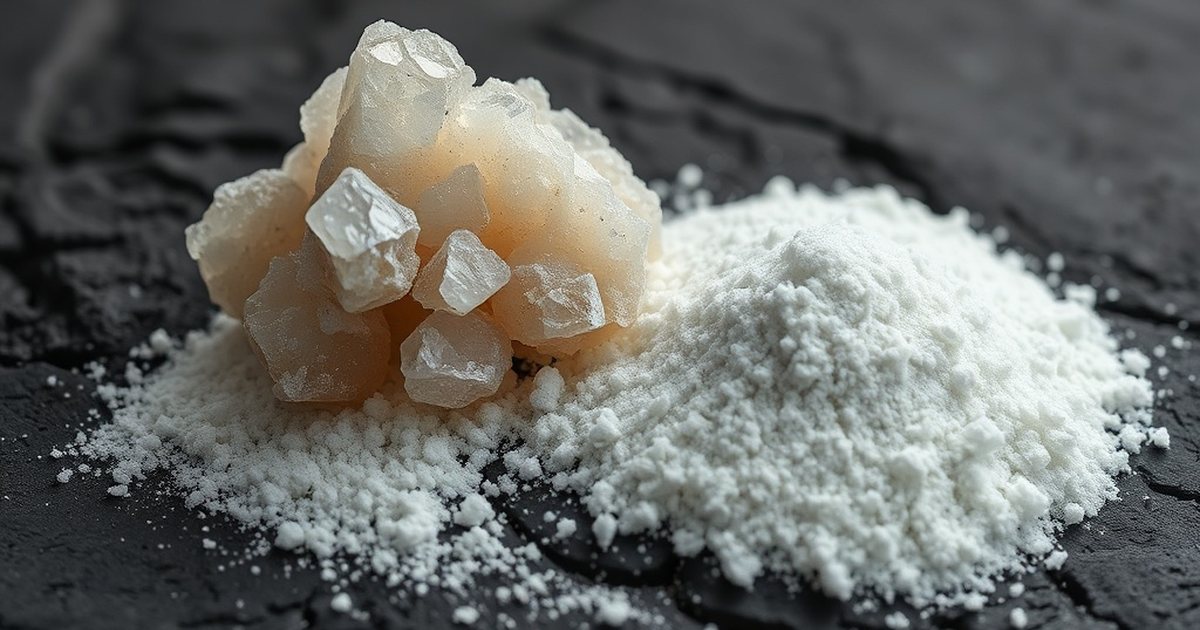
Zeolite, most often sold in supplement form as clinoptilolite, is marketed heavily for gut health, detox, and immune support. The pitch relies on a real chemical property: clinoptilolite’s cage-like mineral structure can bind certain cations, including ammonium and some heavy metal ions, through ion exchange and adsorption. That property is well established in materials science and in agricultural use.
Where the marketing gets ahead of the science is in translating that mechanism to human gut health outcomes. Most of the research on zeolite and the gut comes from livestock, poultry, aquaculture, and pet studies, plus some cell and animal models relevant to human disease. There is very little controlled human trial data. This article walks through what the actual studies show, where they were done, and what that does and doesn’t tell you about taking zeolite as a supplement.
Key Takeaways
- Clinoptilolite zeolite’s ion-exchange structure gives it a plausible mechanism for binding certain toxins and cations in the gut, demonstrated in vitro against C. difficile toxins [1]
- Most gut-health research on zeolite comes from poultry, swine, aquaculture, and canine studies, not human clinical trials
- Animal studies link zeolite or related mineral binders to gut barrier gene expression, immune cell changes, and microbiota shifts [2][3][4]
- Newer nanomaterial and review research (ZIF-8 drug delivery, neurodegeneration reviews) explores adjacent applications but isn’t equivalent to a standard oral zeolite supplement study
- Because zeolite is a mined mineral, contamination risk (lead, other heavy metals) varies by source, making third-party COA verification especially important
The Core Mechanism: Ion Exchange and Toxin Binding
Clinoptilolite’s crystal lattice carries a net negative charge that attracts and holds positively charged ions. This is the basis for its use in water filtration and animal feed, and it’s the same property researchers have tested against gut-specific targets. One notable study found that purified clinoptilolite-tuff could bind and neutralize Clostridioides difficile toxins A and B in vitro [1], suggesting a potential physical binding mechanism against specific bacterial toxins rather than a broad antimicrobial effect.

Separately, in piglets, a mycotoxin binder supplement (a category that includes zeolite-type minerals) improved growth rate and was associated with reduced toll-like receptor-4 signaling and increased tight junction protein gene expression in the gut mucosa [2]. Tight junction proteins are what seal the spaces between intestinal cells, so this points to a possible barrier-support effect, but the study measured mycotoxin binders as a category, not zeolite alone, and was done in production livestock, not people.
Gut Barrier Function and Immune Response
The idea that zeolite supports ‘gut barrier integrity’ traces back largely to poultry research. In broiler chickens, natural and modified clinoptilolite were shown to affect intestinal barrier function and immune response after LPS (lipopolysaccharide) challenge, a standard model for gut inflammation and endotoxin exposure [5]. A more recent 2025 study in broilers again found that dietary zeolite supplementation affected gut health markers, cecal microbiota, digesta viscosity, digestive enzyme activity, and blood and antioxidant parameters [6].
Zeolite feed supplementation has also been studied for its effects on immune cell populations, with one poultry study reporting changes in percentages of T and B lymphocytes and cytokine concentrations after Zakarpacki zeolite (clinoptilolite) supplementation [3]. These findings describe measurable immune and gut-lining changes in a specific livestock species under controlled feed conditions. They do not establish that the same doses or effects would occur in the human gut, which differs substantially in diet, microbiome composition, and physiology from a broiler chicken’s digestive tract.

Effects on Gut Microbiota Across Species
Several studies have looked specifically at whether zeolite changes the composition of gut bacteria. In dogs, zeolite supplementation was shown to modulate Bifidobacterial communities within the gut microbiota [4], a genus generally associated with fermentation of fiber and short-chain fatty acid production. In freshwater crayfish aquaculture, zeolite used to process nitrogenous waste in the rearing environment was found to influence both gut and sediment microbial communities [7], though this is an environmental water-quality mechanism as much as a direct digestive one.
In turkey poults fed an aflatoxin B1-contaminated diet, a related mineral binder, humic acid, was assessed for its impact on intestinal microbiota, gut integrity, ileum morphometry, and cellular immunity [8]. Humic and fulvic acid compounds are sometimes marketed alongside zeolite in gut-health products, but they are chemically distinct substances, and this study does not speak to zeolite itself. Across all of these microbiota studies, the common thread is that they were conducted in non-human species under controlled feed or environmental conditions, which limits how directly the results generalize to a person taking a zeolite supplement.
Emerging and Adjacent Research: Colitis and Neurodegeneration
Two more recent lines of research move closer to human-relevant conditions but use different delivery systems or study designs than a typical over-the-counter zeolite supplement. A 2024 study engineered ginger-derived extracellular vesicles coated onto a ZIF-8 (a zeolitic imidazolate framework, a related but distinct class of porous crystalline material) carrying TNF-alpha siRNA, and tested this construct for ulcerative colitis therapy via gut microbiota modulation [9]. This is a targeted drug-delivery nanomaterial study, not evidence that ingesting standard clinoptilolite powder affects ulcerative colitis.

Separately, a 2024 review examined zeolite in the context of neurodegenerative diseases [10], reflecting research interest in zeolite’s potential role in binding neurotoxic metals or supporting broader physiological pathways. This is a review of proposed mechanisms and existing literature, not a new clinical trial, and it centers on neurological rather than digestive outcomes.
What's Missing: The Human Evidence Gap
None of the evidence above comes from a controlled human clinical trial measuring gut health outcomes after zeolite supplementation. The strongest, most consistent data are from poultry and livestock feed trials, where zeolite is an established, regulated feed additive with decades of agricultural use. Aquaculture, canine, and cell/nanomaterial studies add supporting mechanistic detail but don’t close that gap.
This matters because gut physiology, transit time, existing microbiome composition, and typical diet differ meaningfully between a broiler chicken on a formulated feed and an adult human eating a varied diet. Claims that zeolite ‘detoxifies heavy metals from the human gut’ or ‘repairs leaky gut’ extrapolate well beyond what any of the cited studies actually measured in humans.

🛒 Where to Buy Zeolite (Clinoptilolite)

- CleanseParasites Heavy Metal + Microplastics Binder Editor’s Pick
Contains zeolite alongside milk thistle, spirulina, and other binder herbs. - Touchstone Essentials Pure Body Extra Strength Zeolite
liquid, 1 tbsp (15 mL) — Best-known liquid nano-zeolite brand; MLM pricing but widely trusted in alt-health community - BodyBio Zeolite Powder
powder, 1/2 tsp — Practitioner-oriented brand, micronized clinoptilolite powder - Pure Zeolite Zeolite Powder (Ultimate Detox Clay)
powder, 1/4-1 tsp — Budget-friendly micronized powder - Zeo Health ZeoCharge
powder, 1/2 tsp — Long-standing niche zeolite brand, ultra-fine micronized clinoptilolite
As an Amazon Associate we earn from qualifying purchases. Quality varies widely — always choose a product with a published third-party test (COA) before buying.
A Note on the Evidence
Nearly all of the research above comes from animal, aquaculture, or lab-based studies rather than human clinical trials, so conclusions about human gut health remain preliminary. This article is informational, not medical advice; talk to a doctor before starting zeolite, particularly if you have kidney disease, take prescription medications, or are pregnant.
Frequently Asked Questions
Has the FDA approved zeolite for gut health or detox?
No. The FDA has not evaluated zeolite for any health claim, and it is sold as a dietary supplement rather than an approved treatment. Any gut-health or detox claims on packaging are not FDA-reviewed.

Do any studies show zeolite works in the human gut specifically?
The evidence cited here is from poultry, swine, aquaculture, canine, and cell/nanomaterial research, not controlled human trials measuring gut outcomes. Findings like improved tight junction gene expression in piglets [2] or toxin binding in vitro [1] are suggestive of mechanism, not proof of effect in people.
Can zeolite help with C. difficile or bacterial toxins?
One lab study found purified clinoptilolite-tuff could bind and neutralize C. difficile toxins A and B outside the body [1]. This is an in vitro finding and has not been confirmed as a treatment effect in human C. difficile infection.
Does zeolite change gut bacteria composition?
In dogs, zeolite supplementation was shown to modulate Bifidobacterial communities [4], and zeolite used in aquaculture settings has been linked to shifts in gut and sediment microbial communities in crayfish [7]. Whether similar shifts occur in the human gut microbiome hasn’t been directly studied.

Is zeolite the same as fulvic or humic acid supplements?
No, they are chemically distinct. Zeolite is an aluminosilicate mineral; humic and fulvic acids are organic compounds derived from decomposed organic matter. A study on humic acids and gut integrity in turkeys fed aflatoxin-contaminated diets [8] relates to humic acid, not clinoptilolite zeolite.
What should I check before buying a zeolite supplement?
Because zeolite is a mined mineral, contamination with lead or other heavy metals varies by source and processing. Look for a current third-party Certificate of Analysis (COA) confirming heavy metal testing, and talk to a doctor before use, especially if you have kidney issues or take other medications, since mineral-binding supplements can interact with drug absorption.
References
- Ranftler C et al. Binding and neutralization of C. difficile toxins A and B by purified clinoptilolite-tuff. PloS one (2021). PMID 34043688
- Jin L et al. Mycotoxin binder improves growth rate in piglets associated with reduction of toll-like receptor-4 and increase of tight junction protein gene expression in gut mucosa. Journal of animal science and biotechnology (2017). PMID 29118977
- Jarosz L et al. The effect of feed supplementation with Zakarpacki zeolite (clinoptilolite) on percentages of T and B lymphocytes and cytokine concentrations in poultry. Poultry science (2017). PMID 28339915
- Sabbioni A et al. Modulation of the Bifidobacterial Communities of the Dog Microbiota by Zeolite. Frontiers in microbiology (2016). PMID 27713735
- Wu QJ et al. The effects of natural and modified clinoptilolite on intestinal barrier function and immune response to LPS in broiler chickens. Veterinary immunology and immunopathology (2013). PMID 23453767
- Abdel-Kader IA et al. Gut health and physiological aspects of broiler chicken fed zeolite as a dietary supplement: its effect on growth, cecal microbiota and digesta viscosity, digestive enzymes, carcass traits, blood constituents and antioxidant parameters. BMC veterinary research (2025). PMID 40926260
- Foysal MJ et al. Zeolite mediated processing of nitrogenous waste in the rearing environment influences gut and sediment microbial community in freshwater crayfish (Cherax cainii) culture. Chemosphere (2022). PMID 35278449
- Maguey-González JA et al. Assessment of the Impact of Humic Acids on Intestinal Microbiota, Gut Integrity, Ileum Morphometry, and Cellular Immunity of Turkey Poults Fed an Aflatoxin B(1)-Contaminated Diet. Toxins (2024). PMID 38535788
- Cui C et al. Functional Ginger-Derived Extracellular Vesicles-Coated ZIF-8 Containing TNF-α siRNA for Ulcerative Colitis Therapy by Modulating Gut Microbiota. ACS applied materials & interfaces (2024). PMID 39303016
- Panaiotov S et al. Zeolite and Neurodegenerative Diseases. Molecules (Basel, Switzerland) (2024). PMID 38893490
These statements have not been evaluated by the Food and Drug Administration. This information is not intended to diagnose, treat, cure, or prevent any disease. Content is for informational purposes only and is not medical advice; consult a qualified healthcare provider before starting any supplement. As an Amazon Associate we earn from qualifying purchases.