Zeolite, and specifically the mineral clinoptilolite, has a well-documented ability to bind certain metal ions. That part isn’t in dispute; it’s the basis of an entire industry that uses zeolite to treat wastewater, clean up contaminated soil, and filter industrial effluent. The question people actually want answered is different: does that same binding capacity mean swallowing zeolite powder pulls heavy metals out of your body?
This article separates what’s been demonstrated (mostly in water, sediment, and lab settings) from what hasn’t (whole-body human detoxification). The mechanism is real. The extrapolation to “drink this and detox your body” is where the evidence runs out. This is informational content, not medical advice.
Key Takeaways
- Clinoptilolite zeolite has well-documented ion-exchange and adsorption capacity for heavy metal cations like lead, cadmium, copper, and nickel in water, soil, and sediment studies.
- Zeolite is selective, it binds some metals (like lead and cadmium) more strongly than others, and binding capacity drops when multiple metals compete for the same sites.
- All the strong evidence for zeolite’s metal-binding ability comes from environmental and materials science (water treatment, soil remediation), not human digestion studies.
- There’s no evidence in this review demonstrating that oral zeolite supplements reduce heavy metal levels in the human body.
- Because zeolite is a mined mineral, its own heavy-metal contamination varies by source; third-party COA testing is more important than for most supplements.
The Mechanism: Ion Exchange and Adsorption
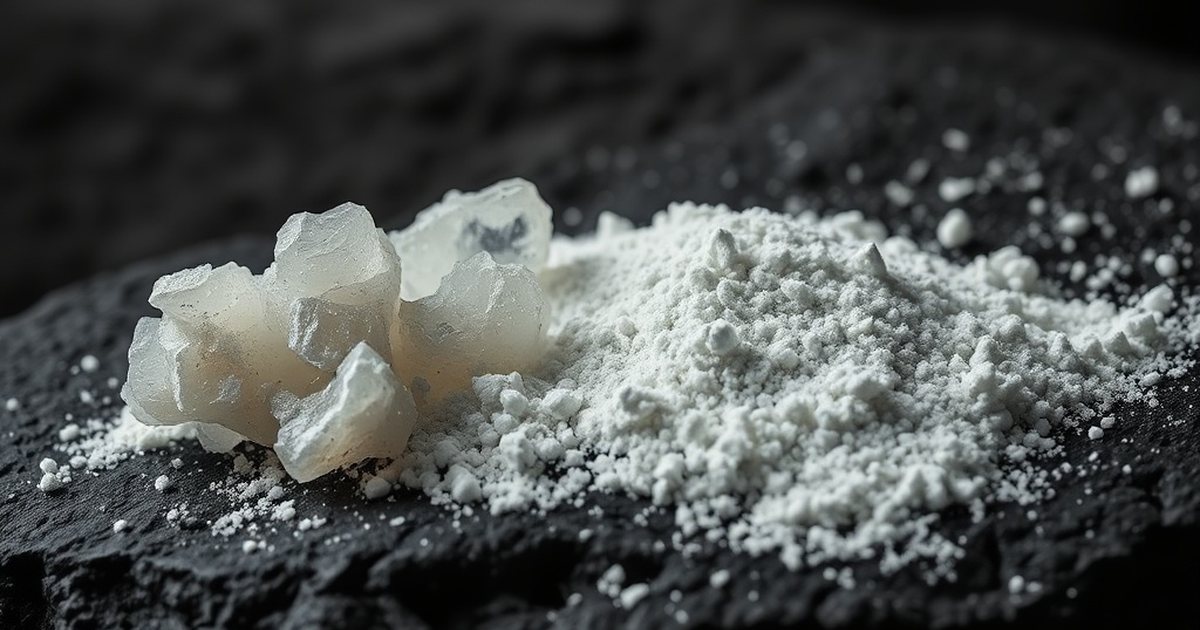
Clinoptilolite has a porous, cage-like aluminosilicate lattice with a net negative charge, balanced by loosely held cations like sodium, potassium, and calcium sitting in its channels. When the mineral encounters a solution containing heavy metal ions, such as lead, cadmium, copper, or zinc, those metal cations can swap places with the mineral’s native cations. This is straightforward ion exchange chemistry, not a proprietary or exotic process, and it’s been studied extensively [1].
Selectivity matters here. Zeolites don’t bind all metals with equal strength. Studies ranking clinoptilolite’s affinity for different metal cations consistently find an order of preference, with lead and cadmium typically binding more strongly than nickel, for example [2] [3]. That selectivity is a big part of why zeolite works well in engineered water-treatment settings, where you can control which metals are present, but it also means the mineral isn’t a universal sponge that treats all contaminants the same way.

What the Adsorption Studies Actually Tested
The bulk of the research on zeolite and heavy metals comes from environmental and materials science, not medicine. Natural zeolites have been tested for removing lead, copper, nickel, cobalt, and iron from aqueous solutions under controlled lab conditions, with researchers measuring how much metal the mineral can absorb per gram and how that changes with pH, concentration, and contact time [4].
A 2023 review synthesizing this literature confirms natural zeolites are effective adsorbents for heavy metals in water treatment applications, and details the equilibrium and kinetic models used to describe that binding [1]. Related work on Na-exchanged clinoptilolite specifically studied equilibrium and selectivity behavior for metal cations in solution, again in a water-based system [5]. None of these studies were conducted in a human digestive tract, and the chemistry of a beaker of contaminated water is not the chemistry of stomach acid, bile, food, and a living gut lining.
Soil and Sediment: A Different but Related Line of Evidence
Outside of water treatment, zeolites have also been studied as soil amendments to immobilize heavy metals in place, reducing how much of a contaminant leaches into groundwater or gets taken up by plants. Research on synthetic zeolites used this way found they can effectively immobilize metals in contaminated soils [6].
Similarly, work on sediment remediation compared how different binding materials, including zeolite-adjacent minerals, affected the toxicity of lead- and cadmium-contaminated sediment, finding that binding strength was directly tied to how much the metal’s toxicity was reduced [7]. This is a useful concept, tighter binding generally means the metal is less biologically available, but it’s a study of sediment, not stomach contents, and toxicity reduction in mud is not the same claim as detoxification in a person.

Competitive, multi-metal wastewater studies add another wrinkle: when several heavy metals are present at once, they compete for the same binding sites on the zeolite, and removal efficiency for any single metal can drop compared to a single-metal solution [8]. That competition dynamic is relevant if you’re imagining zeolite encountering the mixed, constantly changing chemistry of digested food, minerals, and any metals present in the gut simultaneously.
Where the Comparison to Other Adsorbents Helps (and Where It Doesn't)
Zeolite isn’t the only material studied for heavy metal adsorption. Modified activated carbons derived from waste sludge have also been engineered and tested for the same purpose, using acid treatment to boost their metal-binding capacity [9]. This comparison is useful for understanding zeolite in context: it’s one of several adsorbent materials with genuine, measurable heavy-metal binding capacity in engineered or environmental settings, not a uniquely powerful or medically distinct substance.
It’s also worth being precise about what counts as evidence here. Biosensor research measuring pesticide residues like malathion and profenofos [10] is sometimes cited in supplement marketing discussions of “detox” and environmental toxins generally, but it has nothing to do with zeolite’s metal-binding mechanism specifically, it’s a different contaminant class and a different technology entirely. Evidence should be read for what it actually measured, not stretched to support an unrelated claim.
From Water and Soil to the Human Gut: The Missing Link
Here’s the honest gap: every study cited above measures zeolite’s behavior in water, soil, or sediment, environments that are chemically far simpler and more controlled than a human digestive tract. The gut is awash in competing cations from food and normal mineral intake, has variable pH across its length, contains bile acids and enzymes, and involves a living, absorptive intestinal lining that a beaker doesn’t have.

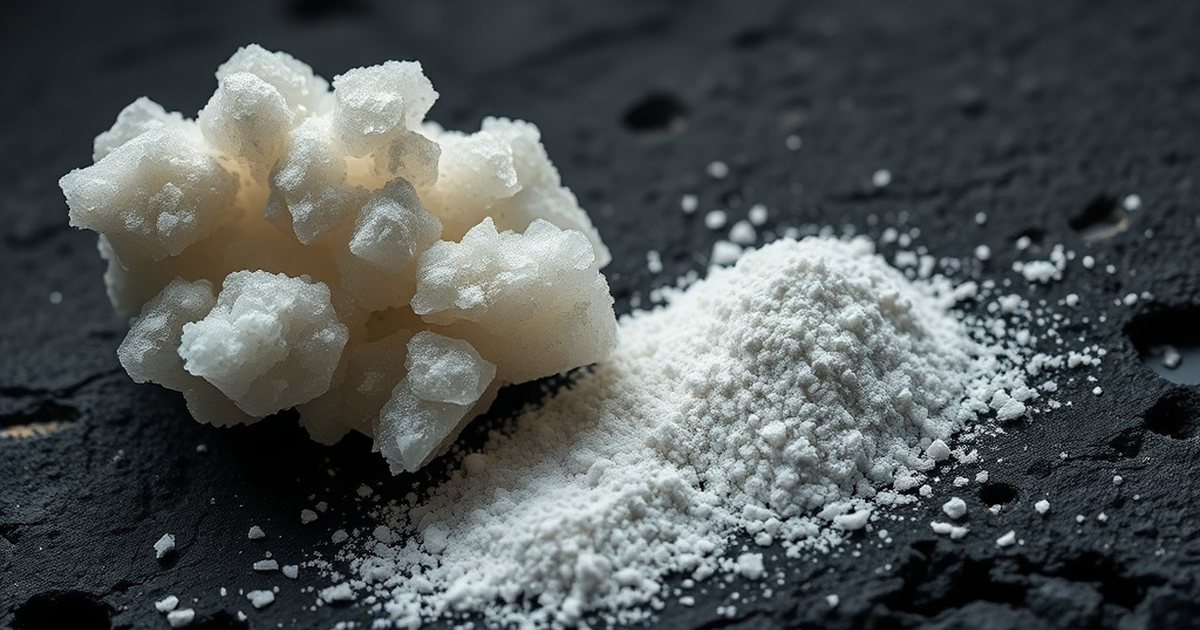
None of the evidence in this article was collected in humans consuming zeolite orally and measuring whole-body heavy metal reduction. The adsorption chemistry demonstrated in engineered systems is real and well-established. Whether it translates into meaningfully lower body burden of lead, cadmium, or other metals when zeolite is swallowed as a supplement is a separate question that this evidence base does not answer.
🛒 Where to Buy Zeolite (Clinoptilolite)
- CleanseParasites Heavy Metal + Microplastics Binder Editor’s Pick
Contains zeolite alongside milk thistle, spirulina, and other binder herbs. - Touchstone Essentials Pure Body Extra Strength Zeolite
liquid, 1 tbsp (15 mL) — Best-known liquid nano-zeolite brand; MLM pricing but widely trusted in alt-health community - BodyBio Zeolite Powder
powder, 1/2 tsp — Practitioner-oriented brand, micronized clinoptilolite powder - Pure Zeolite Zeolite Powder (Ultimate Detox Clay)
powder, 1/4-1 tsp — Budget-friendly micronized powder - Zeo Health ZeoCharge
powder, 1/2 tsp — Long-standing niche zeolite brand, ultra-fine micronized clinoptilolite
As an Amazon Associate we earn from qualifying purchases. Quality varies widely — always choose a product with a published third-party test (COA) before buying.

A Note on the Evidence
The evidence here is drawn from environmental and materials-science studies (water, soil, sediment), not human clinical trials, so it cannot confirm that oral zeolite reduces heavy metal levels in the body. Anyone considering zeolite for this purpose, especially those with existing kidney issues or aluminum sensitivity, should talk to a doctor first; this article is informational, not medical advice.
Frequently Asked Questions
Does zeolite bind lead and cadmium?
In water, soil, and sediment studies, yes, clinoptilolite shows a measurable preference for binding lead and cadmium cations over some other metals [2] [3]. Whether that translates to binding these metals in the human gut hasn’t been directly studied.
Is zeolite proven to detox heavy metals from the human body?
No. The adsorption evidence comes from water treatment, soil remediation, and sediment studies, not human trials measuring body burden of heavy metals after oral zeolite intake [1]. That specific claim isn’t supported by the evidence cited here.
Why does zeolite work so well in water treatment?
Its porous aluminosilicate structure allows metal cations in solution to exchange places with the mineral’s native cations (sodium, potassium, calcium), a mechanism studied extensively for wastewater and contaminated water applications [5] [8].

Can zeolite itself contain heavy metals?
Because it’s a naturally mined mineral, contamination levels vary by deposit and processing method. This is a reason to look for third-party Certificates of Analysis (COAs) on any zeolite product rather than assuming purity.
Does zeolite remove all heavy metals equally?
No. Research shows selectivity, some metals bind more readily than others, and when multiple metals are present together they compete for the same binding sites, which can lower removal efficiency for any single metal [8] [2].
Has the FDA evaluated zeolite for detox claims?
No. The FDA has not evaluated zeolite for any health claim, including heavy metal detoxification. Supplement labels making such claims are not FDA-verified.
References
- Velarde L et al. Adsorption of heavy metals on natural zeolites: A review. Chemosphere (2023). PMID 36972873
- Sprynskyy M et al. Study of the selection mechanism of heavy metal (Pb2+, Cu2+, Ni2+, and Cd2+) adsorption on clinoptilolite. Journal of colloid and interface science (2006). PMID 16989853
- Nuić I et al. A Mass Transfer Analysis of Competitive Binding of Pb, Cd, and Zn from Binary Systems onto a Fixed Zeolite Bed. International journal of environmental research and public health (2019). PMID 30717242
- Belova TP et al. Adsorption of heavy metal ions (Cu(2+), Ni(2+), Co(2+) and Fe(2+)) from aqueous solutions by natural zeolite. Heliyon (2019). PMID 31517110
- Mihaly-Cozmuta L et al. Adsorption of heavy metal cations by Na-clinoptilolite: equilibrium and selectivity studies. Journal of environmental management (2014). PMID 24603029
- Oste LA et al. Metal immobilization in soils using synthetic zeolites. Journal of environmental quality (2002). PMID 12026084
- Lee S et al. Binding strength-associated toxicity reduction by birnessite and hydroxyapatite in Pb and Cd contaminated sediments. Journal of hazardous materials (2011). PMID 21255927
- Finish N et al. Zeolite performance in removal of multicomponent heavy metal contamination from wastewater. Journal of hazardous materials (2023). PMID 37315415
- Li LY et al. Waste-to-resources: Exploratory surface modification of sludge-based activated carbon by nitric acid for heavy metal adsorption. Waste management (New York, N.Y.) (2019). PMID 31109538
- Li J et al. Dual-ratiometric aptasensor for simultaneous detection of malathion and profenofos based on hairpin tetrahedral DNA nanostructures. Biosensors & bioelectronics (2023). PMID 36863194
These statements have not been evaluated by the Food and Drug Administration. This information is not intended to diagnose, treat, cure, or prevent any disease. Content is for informational purposes only and is not medical advice; consult a qualified healthcare provider before starting any supplement. As an Amazon Associate we earn from qualifying purchases.