Zeolite is having a moment in the supplement aisle, but the mineral itself is nothing new. Zeolites were first identified by Swedish mineralogist Axel Fredrik Cronstedt in 1756, who noticed that a certain mineral appeared to boil when heated, releasing steam trapped in its structure. He named it from the Greek words for ‘stone that boils.’ For nearly two centuries afterward, zeolites remained a geological curiosity with little practical use.
That changed in the 20th century, when scientists figured out how to synthesize zeolites and understood their unique cage-like crystal lattice well enough to put it to work. Today, natural zeolites like clinoptilolite show up in water filtration systems, agricultural products, industrial catalysts, and nuclear cleanup efforts, and more recently in gut-health supplements. This article traces that history honestly, including where the supplement use is well-supported and where it is still an open question.
Key Takeaways
- Zeolites were discovered in 1756 and spent nearly two centuries as a mineralogical curiosity before industrial ion-exchange chemistry was understood.
- Major industrial uses include water softening, petroleum refining catalysis, agricultural soil and feed additives, laundry detergents, and nuclear cleanup after Three Mile Island and Fukushima.
- Supplement use of clinoptilolite is a recent development that borrows its rationale from industrial ion-exchange behavior, not from dedicated human clinical trials on detoxification.
- The FDA has not evaluated zeolite for any health claim, and human research is limited to small trials on gut and immune markers plus one placebo-controlled zeolite trial showing reduced absorption of co-ingested lead[1].
- Because zeolite is a mined mineral, contamination varies by source, so third-party COA verification matters more here than for many other supplements.
From Curiosity to Chemistry: The Early Discovery
Cronstedt’s 1756 observation of stilbite ‘boiling’ when heated was really water vapor escaping from microscopic pores in the crystal. That porous structure, an aluminosilicate framework built around a rigid, cage-like lattice, turned out to be the defining feature of the entire zeolite mineral family, of which clinoptilolite is one member.
For most of the 19th and early 20th centuries, zeolites remained a mineralogical footnote. Natural deposits were scattered and often mixed with other minerals, which limited any commercial application. It was not until chemists began to understand ion exchange, the ability of the zeolite lattice to swap sodium, calcium, potassium, and other cations, that industry took notice.
The Water Softening Era
The first major industrial use of zeolites was in water treatment. Synthetic sodium aluminosilicate zeolites were developed in the early 1900s as water softeners: hard water rich in calcium and magnesium ions was passed through a zeolite bed, and the zeolite exchanged its sodium ions for those calcium and magnesium ions, softening the water. This ‘permutit process,’ named after an early commercial zeolite product, was widely used in municipal and industrial water treatment through the mid-20th century.

Natural zeolites like clinoptilolite were later found to perform similar ion-exchange functions, and are still used today in some water filtration and municipal wastewater systems, particularly for removing ammonium ions and certain heavy metal cations from water.
Catalysis, Agriculture, and Detergents: The Mid-Century Boom
By the 1950s and 1960s, chemists at companies like Union Carbide had learned to synthesize zeolites with precisely controlled pore sizes, opening the door to their use as molecular sieves, materials that separate molecules by size and shape. This made synthetic zeolites indispensable in petroleum refining, where they are used as catalysts to crack large hydrocarbon molecules into gasoline and other fuels, a use that remains one of the largest industrial applications of zeolites worldwide.
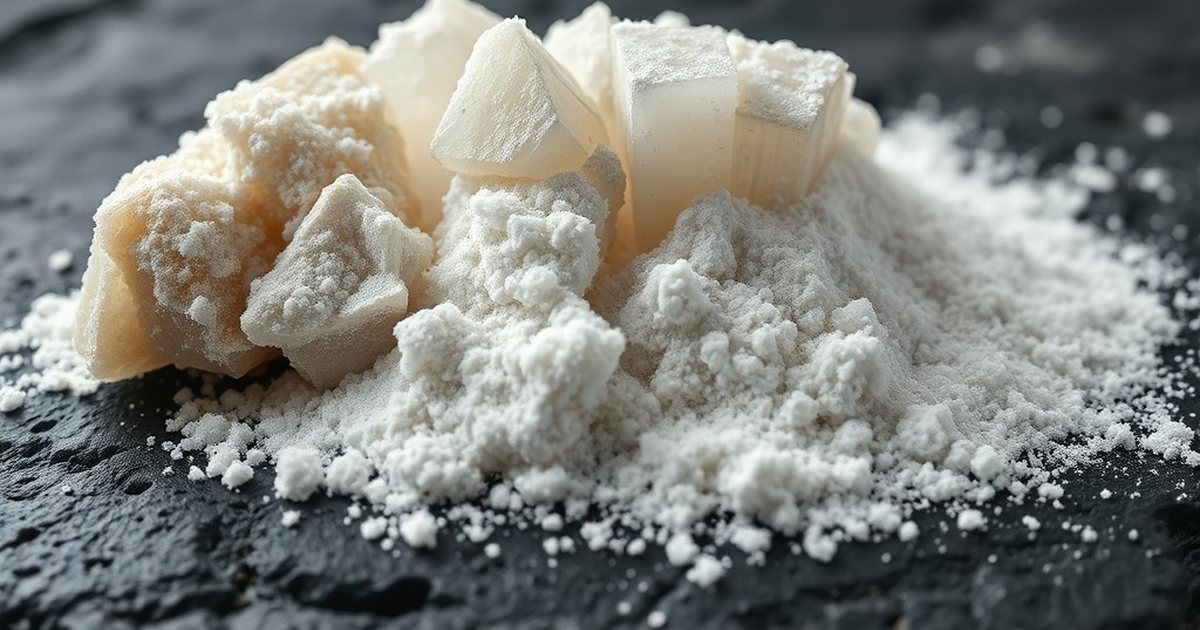
Natural zeolite, including clinoptilolite, found its own parallel path in agriculture and everyday products during this period. Farmers began using it as a soil additive to improve water and nutrient retention, and as a component of animal feed to bind ammonia and reduce odor in livestock operations. Zeolites also became a common ingredient in laundry detergents starting in the 1970s, replacing phosphates as a water-softening agent after environmental concerns about phosphate pollution in waterways.
Nuclear Cleanup and Radioactive Cesium
One of the more striking chapters in zeolite’s industrial history is its role in nuclear accident cleanup. Because zeolites like clinoptilolite selectively bind cesium and strontium ions through ion exchange, they were used to help remove radioactive cesium-137 from contaminated water after the Three Mile Island accident in 1979 and, decades later, after the 2011 Fukushima Daiichi disaster in Japan. In both cases, zeolite media were used in filtration systems to pull radioactive cations out of large volumes of contaminated water.
This is a genuinely well-documented, large-scale industrial use of zeolite’s ion-exchange properties. It is worth noting, however, that binding radioactive cesium in a water treatment tank is a different engineering problem than binding heavy metals or toxins inside the human gut, the two should not be conflated.

The Turn Toward Supplements
Zeolite’s move into the supplement market is much more recent, gaining traction over the past two to three decades as manufacturers began marketing micronized clinoptilolite powders, liquid suspensions, and capsules for gut and ‘detox’ support. The underlying premise borrows directly from the mineral’s industrial reputation: if clinoptilolite can bind ammonium and certain cations in water treatment and agricultural settings, the reasoning goes, it might do something similar in the digestive tract.
That mechanistic plausibility is real, the ion-exchange chemistry is well established in engineering contexts. Human research does exist, and reading it closely is what shows exactly how far the industrial analogy carries. The strongest result is a randomised, placebo-controlled, double-blind trial in 42 healthy adults: dosed with a stable lead isotope tracer, participants taking purified clinoptilolite tuff at the same time absorbed about 90% less of that lead than those on placebo[1]. Notice what that is. It is the water-filter behaviour happening inside the gut, catching metal on its way through, which is precisely not the same as pulling metal back out of bone and tissue where a body burden actually sits. Where zeolite has been tested on how people feel rather than what they absorb, the record is weaker: a randomised trial in irritable bowel syndrome with diarrhoea missed its primary endpoint outright, with 21% of the zeolite group and 25% of the placebo group reporting relief[2]. The FDA has still not evaluated zeolite for any health claim, and industrial performance does not transfer to a supplement benefit on its own.
Why Sourcing Matters More for Zeolite Than Most Supplements
Because clinoptilolite is a mined mineral rather than a synthesized or botanical ingredient, contamination is a real and variable risk. Deposits differ by location, and processing methods differ by manufacturer, so the same mineral name on a label can represent very different levels of purity. Trace lead and other heavy metals can occur naturally alongside clinoptilolite in some deposits.
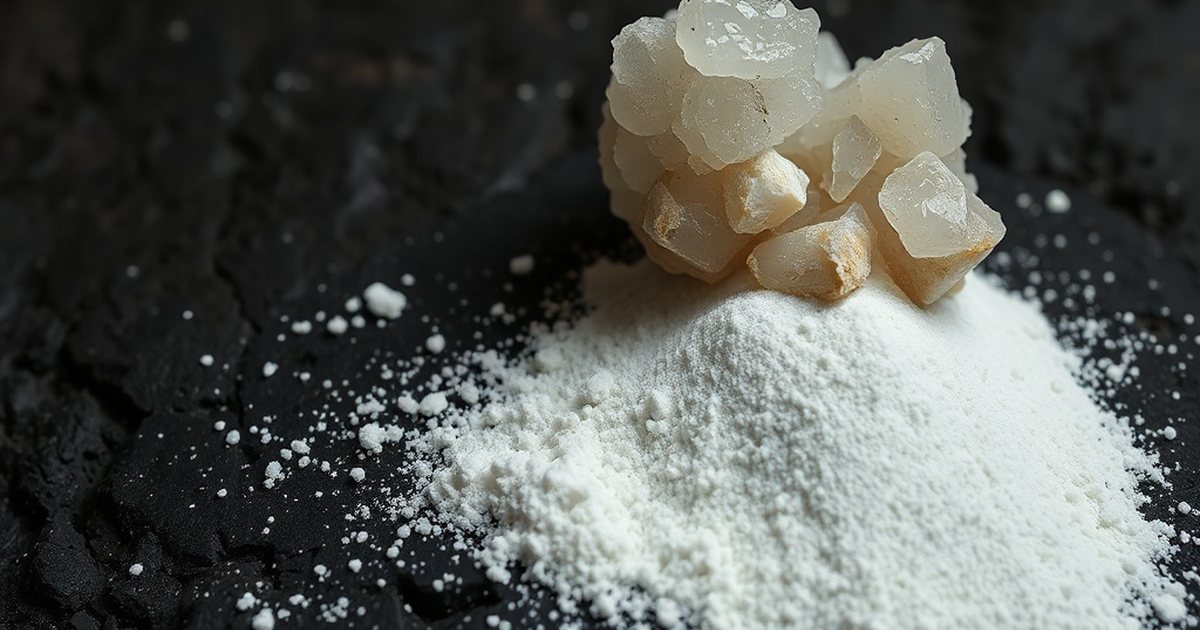
This makes third-party Certificate of Analysis (COA) verification more important for zeolite products than for many other supplement categories. A COA showing heavy-metal testing results, ideally from an independent lab, is a reasonable baseline expectation before choosing a product, given the mineral’s geological origin and industrial history of variable-purity sourcing.

🛒 Where to Buy Zeolite (Clinoptilolite)
- CleanseParasites Heavy Metal + Microplastics Binder Editor’s Pick
Contains zeolite alongside milk thistle, spirulina, and other binder herbs. - Touchstone Essentials Pure Body Extra Strength Zeolite
liquid, 1 tbsp (15 mL) — Best-known liquid nano-zeolite brand; MLM pricing but widely trusted in alt-health community - BodyBio Zeolite Powder
powder, 1/2 tsp — Practitioner-oriented brand, micronized clinoptilolite powder - Pure Zeolite Zeolite Powder (Ultimate Detox Clay)
powder, 1/4-1 tsp — Budget-friendly micronized powder - Zeo Health ZeoCharge
powder, 1/2 tsp — Long-standing niche zeolite brand, ultra-fine micronized clinoptilolite
As an Amazon Associate we earn from qualifying purchases. Quality varies widely — always choose a product with a published third-party test (COA) before buying.
A Note on the Evidence
This article is informational, not medical advice. Zeolite’s industrial and environmental uses are well documented, but human clinical evidence for gut or detox supplement claims is limited to small trials on specific markers, not whole-body detoxification; talk to a doctor before using any zeolite supplement, especially if you are pregnant, have kidney issues, or take other medications.
Frequently Asked Questions
Is zeolite the same thing as clinoptilolite?
Zeolite is a family of aluminosilicate minerals that share a porous, cage-like crystal structure. Clinoptilolite is one specific natural zeolite within that family, and it is the type most commonly used in water treatment, agriculture, and supplements.
Did zeolite really help clean up Fukushima?
Yes, zeolite media, including clinoptilolite, were used in water filtration systems after both the Three Mile Island and Fukushima Daiichi nuclear accidents to help remove radioactive cesium from contaminated water through ion exchange. This is a well-documented industrial and environmental remediation use.

Does zeolite's use in water treatment mean it works the same way in the body?
Not necessarily. The ion-exchange chemistry that lets zeolite bind cations in a water treatment tank is the same basic chemistry proposed for gut binding, but engineering performance in water does not automatically prove a specific health benefit in the human digestive system, which is a far more complex environment.
Has the FDA approved zeolite supplements for detox?
No. The FDA has not evaluated zeolite for any health claim, including detoxification. Supplement marketing claims about zeolite are not FDA-reviewed or approved.
Why does sourcing matter so much for zeolite supplements?
Because clinoptilolite is mined rather than manufactured or grown, natural deposits and processing methods vary, and some sources can carry trace heavy metal contamination. This makes independent, third-party Certificate of Analysis testing a more important purchasing consideration for zeolite than for many other supplement categories.
Is zeolite used in anything I encounter every day?
Likely yes. Zeolites have been common ingredients in laundry detergents since the 1970s as a phosphate replacement, and synthetic zeolites are widely used as catalysts in petroleum refining to produce gasoline, so the mineral touches everyday life well beyond the supplement aisle.
References
- Samekova et al. Concomitant oral intake of purified clinoptilolite tuff (G-PUR) reduces enteral lead uptake in healthy humans. Sci Rep (2021). PMID 34285282
- Anderle et al. Safety and efficacy of purified clinoptilolite-tuff treatment in patients with irritable bowel syndrome with diarrhea: Randomized controlled trial. World J Gastroenterol (2022). PMID 36569277
These statements have not been evaluated by the Food and Drug Administration. This information is not intended to diagnose, treat, cure, or prevent any disease. Content is for informational purposes only and is not medical advice; consult a qualified healthcare provider before starting any supplement. As an Amazon Associate we earn from qualifying purchases.