Zeolite (primarily clinoptilolite) and bentonite clay (mainly montmorillonite) are both naturally occurring aluminosilicate minerals sold as dietary supplements for gastrointestinal binding and detoxification support. They share a crystalline structure that allows them to trap or exchange cations, but their lattice architecture, charge density, and swelling behavior differ in ways that affect how they interact with substances in the digestive tract.
The FDA has not evaluated either mineral for any health claim, and clinical evidence in humans is limited to small trials examining gut-barrier markers or immune parameters rather than whole-body heavy-metal removal. Because both are mined materials, contamination with lead, arsenic, or other heavy metals varies by source and processing, making third-party certificate-of-analysis (COA) verification essential before use.[1]
Key Takeaways
- Zeolite uses size-selective ion exchange in a rigid cage; bentonite uses swelling-layer adsorption on a vast surface area.
- Human clinical evidence for both is limited to small studies on gut/immune markers, not systemic heavy-metal removal.[2]
- Mined origin means heavy-metal contamination is inevitable; lot-specific third-party COAs are non-negotiable for safety.
- Zeolite may be more selective for ammonium and certain metal cations; bentonite binds a broader range of toxins and forms a protective gel.[3]
- Take either mineral separately from food, medications, and supplements, with plenty of water, and consider cycling rather than indefinite daily use.
How Zeolite (Clinoptilolite) Works in the Gut
Clinoptilolite is a microporous zeolite with a rigid, cage-like framework of silicon-oxygen and aluminum-oxygen tetrahedra. The aluminum substitution creates a net negative charge balanced by loosely held exchangeable cations such as sodium, potassium, or calcium. In the gastrointestinal lumen, these cations can be swapped for other positively charged species — including ammonium, some heavy-metal ions, and certain mycotoxins — through a process called ion exchange. The pore openings (approximately 0.4 nanometers) act as a molecular sieve, admitting small hydrated ions while excluding larger molecules.
Micronization reduces particle size to the low-micrometer range, increasing external surface area and potentially accelerating exchange kinetics. Liquid suspensions claim enhanced dispersion, but the fundamental mechanism remains cation exchange within the intact crystal lattice. Because the framework is stable across a wide pH range, clinoptilolite does not dissolve or release significant aluminum or silicon under physiological conditions, a point often confirmed by in-vitro gastric/intestinal simulation tests.
How Bentonite Clay Works in the Gut
Bentonite is a swelling clay dominated by montmorillonite, a layered smectite mineral. Its structure consists of two silica tetrahedral sheets sandwiching an alumina octahedral sheet (2:1 layer). Isomorphic substitution within the layers generates a permanent negative charge that is balanced by interlayer cations (typically sodium or calcium). Unlike zeolite’s rigid pores, montmorillonite layers can separate when hydrated, allowing water and solutes to enter the interlayer space — a property known as swelling.

This swelling vastly increases the accessible surface area (up to 700–800 m²/g) and enables adsorption via electrostatic attraction, van der Waals forces, and hydrogen bonding onto both external and internal surfaces. Bentonite can bind a broader range of substances — including some neutral molecules, bacterial toxins, and bile acids — but its selectivity for specific heavy-metal ions is generally lower than zeolite’s size-selective ion exchange. In the gut, the clay forms a viscous gel that may also physically entrap particulates and slow transit.
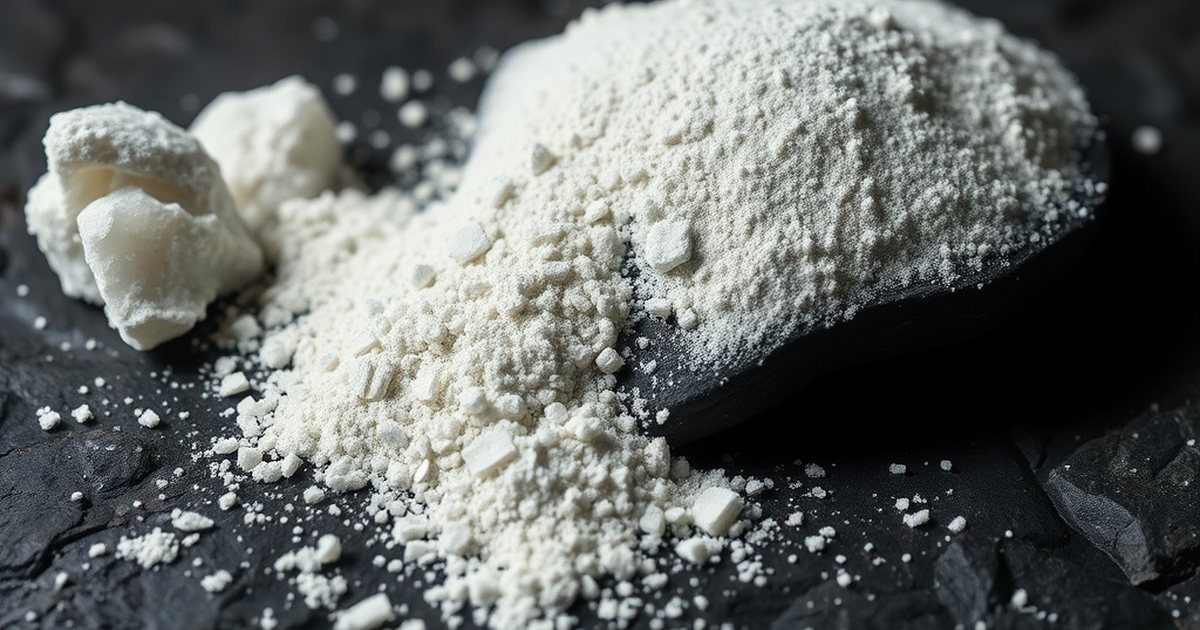
Comparing Binding Capacity and Selectivity
Zeolite’s ion-exchange capacity (typically 1.5–2.5 meq/g for clinoptilolite) is highly selective for cations that fit its pore dimensions and have appropriate charge density. Ammonium (NH₄⁺) and certain heavy-metal cations (e.g., Pb²⁺, Cd²⁺, Cs⁺) are exchanged preferentially over sodium or calcium. This selectivity is why clinoptilolite is used in water treatment and animal feed to reduce ammonia and specific metal uptake.
Bentonite’s cation-exchange capacity is often higher numerically (0.8–1.2 meq/g for calcium bentonite, up to 1.5 meq/g for sodium bentonite), but it lacks the molecular-sieving effect. It binds a wider array of cations less selectively and can also adsorb neutral or anionic species via edge charges and surface hydroxyl groups. In practical terms, zeolite may be more targeted for ammonium and specific metal ions, while bentonite acts as a broader-spectrum gastrointestinal binder with added gel-forming properties.
Human Evidence: What Small Trials Show
Published human data for clinoptilolite are limited to a handful of small, often open-label studies. These trials have measured surrogate markers such as fecal zonulin (a gut-permeability indicator), secretory IgA, or exercise-induced oxidative stress, reporting modest improvements in some endpoints. No adequately powered, randomized, placebo-controlled trial has demonstrated clinically meaningful whole-body heavy-metal detoxification or disease-risk reduction in humans.
For bentonite, human research is similarly sparse. A few studies have examined its use for aflatoxin binding in populations with high dietary exposure, showing reduced urinary aflatoxin metabolites. Other small trials have looked at diarrhea-predominant IBS symptom relief, attributing benefit to toxin adsorption and mucosal protection. As with zeolite, these studies are small, short-term, and not designed to prove systemic detoxification.

Contamination Risks and Quality Verification
Because both minerals are excavated from open-pit mines, the raw ore inevitably contains variable levels of environmental contaminants — lead, arsenic, cadmium, mercury, and sometimes crystalline silica. Processing steps (washing, acid leaching, micronization, sterilization) can reduce but not eliminate these impurities. The final contaminant profile depends on the specific deposit, the processing rigor, and the manufacturer’s quality-control standards.
Third-party COAs testing each lot for heavy metals (using ICP-MS), microbial limits, and particle-size distribution are the only reliable way to compare products. A COA should list actual measured values in parts per billion or million, not just “pass/fail” against a proprietary specification. Reputable brands publish these reports publicly or provide them on request. Price and marketing claims are poor proxies for purity; some of the most expensive products have shown higher lead levels than budget options when independently tested.
Practical Use: Forms, Dosing, and Timing
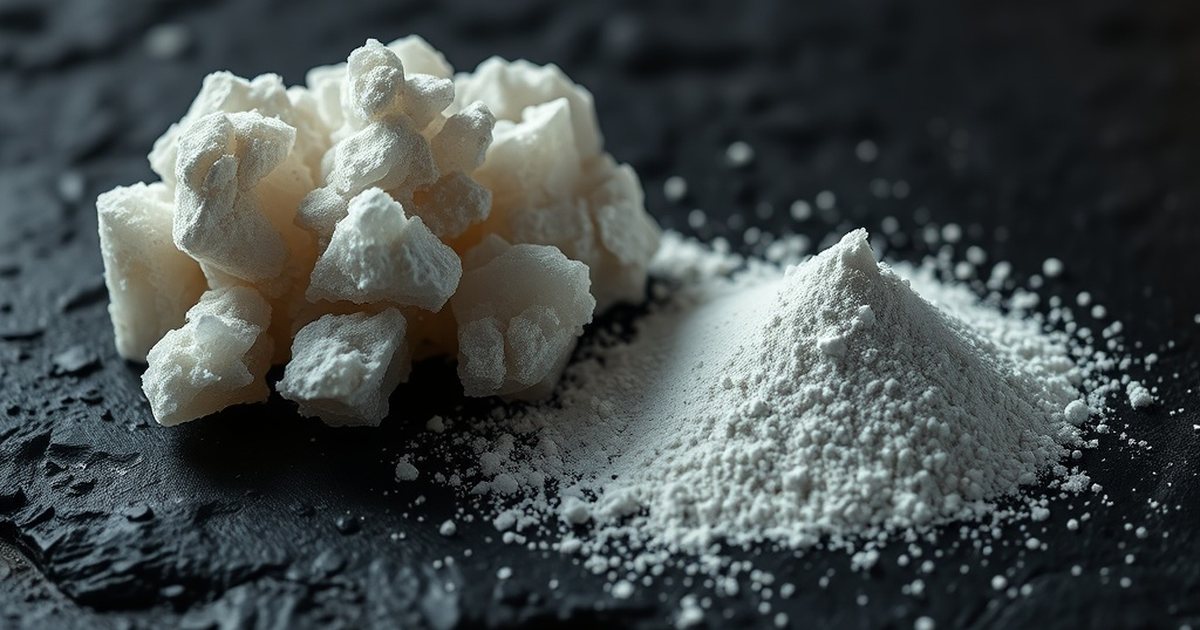
Zeolite is sold as micronized powder (often 5–20 µm), liquid suspensions (colloidal dispersions), and capsules. Typical serving sizes range from 1–5 grams of powder daily, providing 1.5–7.5 grams of clinoptilolite. Liquid products contain far less mineral per dose (often 50–200 mg/mL) and may use preservatives. Bentonite is commonly available as sodium bentonite (high swell, used externally and internally) or calcium bentonite (lower swell, preferred for ingestion). Doses of 1–2 teaspoons (3–6 g) of hydrated clay once or twice daily are typical in traditional and functional-medicine protocols.
Both minerals should be taken away from medications, supplements, and meals by at least two hours to avoid binding nutrients or drugs. Adequate hydration is critical — especially with bentonite — to prevent constipation or, rarely, intestinal obstruction. Starting with a low dose and titrating upward allows assessment of gastrointestinal tolerance. Long-term daily use has not been studied for safety; cycling (e.g., 4 weeks on, 2 weeks off) is a common pragmatic approach.

🛒 Where to Buy Zeolite (Clinoptilolite)
- CleanseParasites Heavy Metal + Microplastics Binder Editor’s Pick
Contains zeolite alongside milk thistle, spirulina, and other binder herbs. - Touchstone Essentials Pure Body Extra Strength ZeoliteLab-tested / studied
liquid, 1 tbsp (15 mL) — Best-known liquid nano-zeolite brand; MLM pricing but widely trusted in alt-health community, publishes third-party lab testing - BodyBio Zeolite Powder
powder, 1/2 tsp — Practitioner-oriented brand, micronized clinoptilolite powder with published COA - Pure Zeolite Zeolite Powder (Ultimate Detox Clay)
powder, 1/4-1 tsp — Budget-friendly micronized powder, third-party heavy metal tested - Zeo Health ZeoCharge
powder, 1/2 tsp — Long-standing niche zeolite brand, ultra-fine micronized clinoptilolite
As an Amazon Associate we earn from qualifying purchases. Quality varies widely — always choose a product with a published third-party test (COA) before buying.
A Note on the Evidence
Neither zeolite nor bentonite clay is FDA-approved to diagnose, treat, cure, or prevent any disease. Human evidence is limited to small, short-term studies on surrogate markers. Mined minerals carry inherent heavy-metal contamination risk; always verify lot-specific third-party COAs. Consult a qualified healthcare professional before use, especially if you take medications, have kidney disease, are pregnant, or consider giving to a child.
Frequently Asked Questions
Can zeolite or bentonite remove heavy metals already stored in tissues?
No human trial has demonstrated that oral zeolite or bentonite mobilizes and eliminates heavy metals from tissues such as brain, bone, or kidneys. Their action is confined to the gastrointestinal lumen, where they may bind metals ingested with food or water or secreted into bile.
Is liquid zeolite more effective than powder?
Liquid suspensions contain far less clinoptilolite per serving (typically milligrams vs. grams for powder). The ion-exchange mechanism is the same; the lower dose in liquids makes meaningful binding capacity unlikely compared to micronized powder.

Which is safer for long-term use: sodium or calcium bentonite?
Calcium bentonite is generally preferred for internal use because it swells less and contributes negligible sodium. Sodium bentonite’s high swell capacity increases the risk of constipation or obstruction if fluid intake is inadequate.
Do these minerals deplete essential minerals like magnesium or zinc?
Both can bind dietary cations non-selectively at high doses. Taking them away from meals and mineral supplements minimizes this risk, but long-term mineral-status monitoring is prudent if used chronically.
How do I verify a product's purity?
Request a third-party certificate of analysis (COA) for the specific lot number. The COA should show actual heavy-metal results (Pb, As, Cd, Hg) in ppb/ppm from an ISO-accredited lab, plus microbial limits and identity confirmation. Avoid brands that only provide a generic specification sheet.
Can I give zeolite or bentonite to children or during pregnancy?
There are no safety data for these populations. Because of contamination risk and potential nutrient binding, use in children, pregnancy, or lactation should only occur under direct medical supervision.
References
- Critical Review on Zeolite Clinoptilolite Safety and Medical Applications in vivo. Frontiers in Pharmacology (2018). PMID 30538633
- Clinical Evaluation of a Defined Zeolite-Clinoptilolite Supplementation Effect on the Selected Blood Parameters of Patients. Frontiers in Medicine (2022). PMID 35712111
- Zeolite Clinoptilolite: Therapeutic Virtues of an Ancient Mineral. Molecules (2019). PMID 30999685
These statements have not been evaluated by the Food and Drug Administration. This information is not intended to diagnose, treat, cure, or prevent any disease. Content is for informational purposes only and is not medical advice; consult a qualified healthcare provider before starting any supplement. As an Amazon Associate we earn from qualifying purchases.