Clinoptilolite zeolite is a naturally occurring aluminosilicate mineral with a cage-like crystal lattice that can bind cations — including some heavy metal ions and ammonium — in the gastrointestinal tract through ion exchange and adsorption. It is sold as micronized powder, liquid suspension, or capsules and marketed for gut support and detoxification, though the FDA has not evaluated zeolite for any health claim.
Clinical evidence in humans is limited to small trials examining gut and immune markers, not whole-body heavy-metal detoxification.[1] Because zeolite is a mined mineral, contamination with lead, arsenic, or other heavy metals varies by source and processing, making third-party certificate of analysis (COA) verification more critical than for many other supplements. This guide outlines what to evaluate when selecting a product.
Key Takeaways
- Require a current, lot-specific, third-party COA from an ISO 17025 lab covering heavy metals, microbial limits, mineralogical ID (XRD), and absence of fibrous zeolites.
- Choose micronized clinoptilolite (1–10 µm) with documented particle-size distribution; avoid “nano” zeolite until long-term safety data exist.
- Prefer brands that disclose mine location, processing methods, and provide transparent labeling of zeolite content per serving.
- Recognize that human evidence is limited to a few small studies of blood mineral and metal levels, which showed mixed changes (blood lead rose in some trials), and none establishes systemic heavy-metal removal.[2]
- Consult a healthcare professional before use, especially if pregnant, nursing, taking medications, or have kidney disease.
Understanding the Material: What Clinoptilolite Is and Is Not
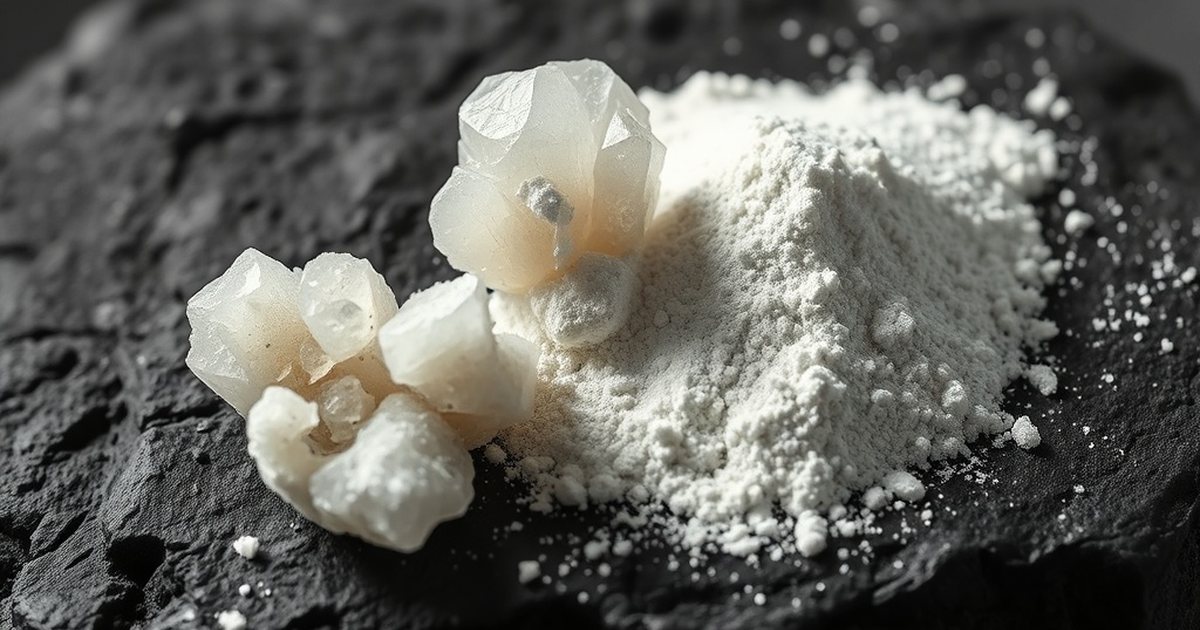
Clinoptilolite belongs to the zeolite group of hydrated aluminosilicates.[3] Its framework of silicon and aluminum oxides creates negatively charged channels and cages that attract and hold positively charged ions (cations) via ion exchange. In the gut, this mechanism can bind ammonium and certain metal cations, which are then excreted in feces. The mineral itself is not absorbed systemically in meaningful amounts when taken orally.
Not all zeolites are clinoptilolite, and not all clinoptilolite deposits are equivalent. Commercial products may contain other zeolite species (e.g., mordenite, erionite) or non-zeolite minerals. Erionite, a fibrous zeolite, is a known respiratory hazard and must be absent from ingestible products. Reputable suppliers specify the zeolite species, typically clinoptilolite, and provide mineralogical analysis confirming phase purity.
Purity and Contamination: Why Third-Party COAs Are Essential
Because zeolite is mined from open deposits, it can co-occur with heavy metals (lead, arsenic, cadmium, mercury), aluminum, and other environmental contaminants. The very cation-exchange capacity that makes zeolite useful also means the raw ore may already be loaded with undesirable ions. Processing steps — washing, acid treatment, thermal activation — aim to reduce this load, but effectiveness varies widely.
A third-party certificate of analysis (COA) from an ISO 17025-accredited laboratory should report: (1) heavy metals (Pb, As, Cd, Hg) in parts per million (ppm) or micrograms per serving; (2) aluminum content; (3) microbial limits (total plate count, yeast/mold, E. coli, Salmonella); (4) mineralogical identity (XRD confirmation of clinoptilolite); and (5) absence of fibrous zeolites such as erionite. Proprietary “in-house” testing without lab accreditation does not carry the same weight. If a brand cannot provide a current, lot-specific COA on request, treat that as a red flag.

Particle Size: Micronization, Nano Claims, and Gut Retention
Particle size influences surface area, cation-exchange kinetics, and transit through the GI tract. Micronized clinoptilolite (typically 1–10 µm median diameter) offers high surface area while remaining too large for significant intestinal absorption. This size range is consistent with the material used in published human studies on gut markers.
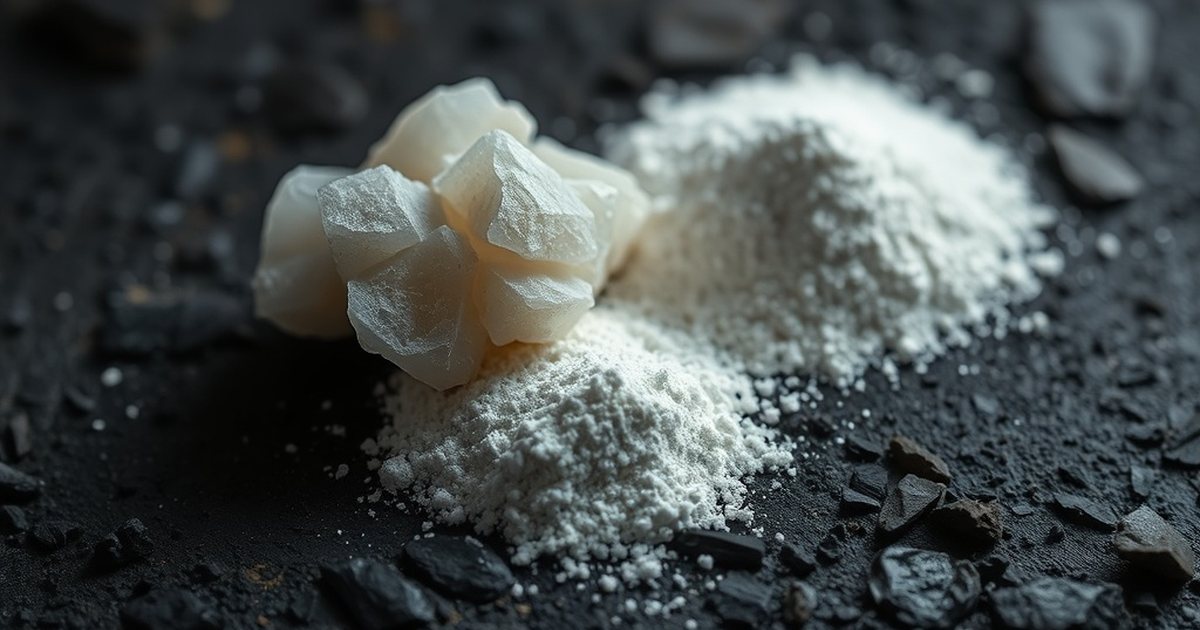
Some products claim “nano” zeolite (particles <100 nm). True nanoparticles raise different safety questions: they may cross the intestinal barrier, distribute systemically, and accumulate in tissues. No long-term human safety data exist for nano-zeolite ingestion. Regulatory agencies in the EU and US have not approved nano-zeolite as a food ingredient. Until robust toxicology data are available, micronized (not nano) material with a documented particle-size distribution (e.g., laser diffraction report) is the prudent choice.
Form Factors: Powder, Liquid Suspension, and Capsules
Micronized powder is the most transparent form: you can verify particle size, mix it into water, and avoid excipients. It requires measuring and may have a gritty texture. Liquid suspensions claim better dispersion but often contain preservatives, stabilizers, or proprietary “activation” processes that are not independently verified. The zeolite concentration in liquids is typically low (e.g., 100–500 mg per serving), so cost per gram of active material can be high.
Capsules offer convenience but obscure the powder’s appearance and flow properties. Some encapsulated products use fillers (silica, rice flour) that dilute the active ingredient. Check the label for zeolite content per capsule and whether the capsule shell is vegetarian or gelatin. Regardless of form, the same COA requirements apply.
Source Geography and Processing Transparency
Major commercial clinoptilolite deposits are found in the United States (e.g., Nevada, California, Idaho), Turkey, Slovakia, Cuba, China, and Australia. Geology determines baseline heavy-metal content and mineralogical purity. For example, some US deposits are volcanic tuffs with low heavy-metal backgrounds, while certain Asian deposits may have higher arsenic or lead due to regional geochemistry.
Processing transparency matters as much as geography. Ask suppliers: Is the ore washed? Acid-leached? Thermally activated? Milled dry or wet? Each step affects cation-exchange capacity, aluminum leaching potential, and residual contaminants. Brands that disclose their mine location, processing flow sheet, and provide lot-specific COAs demonstrate a higher standard of accountability.

Label Claims vs. Evidence: What Human Data Actually Show
Published human trials are small (typically <50 participants) and focus on surrogate markers: fecal ammonium reduction, gut barrier integrity (zonulin), immune cell counts, or exercise-induced oxidative stress. No adequately powered, randomized controlled trial demonstrates whole-body heavy-metal detoxification, chelation of stored metals from tissues, or clinical disease endpoints.
Structure/function claims such as “supports gut health,” “binds toxins in the GI tract,” or “promotes detoxification pathways” are permissible under DSHEA if truthful and not misleading, but they must not imply treatment or prevention of disease. Be skeptical of marketing that extrapolates in vitro ion-exchange data to systemic detoxification, cites animal studies as human proof, or uses testimonials in place of clinical evidence.
🛒 Where to Buy Zeolite (Clinoptilolite)
- CleanseParasites Heavy Metal + Microplastics Binder Editor’s Pick
Contains zeolite alongside milk thistle, spirulina, and other binder herbs. - Touchstone Essentials Pure Body Extra Strength Zeolite
liquid, 1 tbsp (15 mL) — Best-known liquid nano-zeolite brand; MLM pricing but widely trusted in alt-health community - BodyBio Zeolite Powder
powder, 1/2 tsp — Practitioner-oriented brand, micronized clinoptilolite powder - Pure Zeolite Zeolite Powder (Ultimate Detox Clay)
powder, 1/4-1 tsp — Budget-friendly micronized powder - Zeo Health ZeoCharge
powder, 1/2 tsp — Long-standing niche zeolite brand, ultra-fine micronized clinoptilolite
As an Amazon Associate we earn from qualifying purchases. Quality varies widely — always choose a product with a published third-party test (COA) before buying.
A Note on the Evidence
Zeolite supplements are not FDA-evaluated for any health claim. Human clinical evidence is limited to small, short-term studies on gut and immune markers. Contamination with heavy metals varies by source; third-party COA verification is essential. Individuals with kidney disease, those on prescription medications, pregnant or nursing women, and children should consult a healthcare professional before use.
Frequently Asked Questions
Does zeolite remove heavy metals from the whole body?
No clinical trials demonstrate that oral zeolite mobilizes and excretes heavy metals stored in tissues (brain, bone, organs). Its documented action is limited to cation binding within the gastrointestinal lumen.

Is liquid zeolite better absorbed than powder?
Zeolite is not meaningfully absorbed in any form. Liquid products simply pre-disperse the particles; they do not enhance systemic uptake. Powder offers equivalent gut-level activity with fewer additives.
What heavy-metal limits should I look for on a COA?
Common reference points: lead <0.5 ppm, arsenic <1 ppm, cadmium <0.3 ppm, mercury <0.1 ppm per daily serving. Stricter limits (e.g., California Prop 65) may apply depending on your jurisdiction.
Can zeolite bind essential minerals I need?
In vitro, clinoptilolite can exchange a range of cations including calcium, magnesium, and potassium. Human data on mineral depletion with typical dosing are lacking. Separating zeolite dosing from meals and mineral supplements by at least two hours is a prudent precaution.
Is zeolite safe for long-term daily use?
No long-term (>12 months) human safety studies exist. Short-term studies report good tolerance at doses of 1.5–5 g/day. Chronic use should be monitored by a clinician, especially for kidney function and mineral status.
How do I verify a brand's third-party testing claim?
Request the actual COA (PDF) for your specific lot number. Confirm the lab’s ISO 17025 accreditation scope covers the analytes tested. Be wary of brands that only show a summary table or a certificate without lab credentials.
References
- Zeolite Clinoptilolite: Therapeutic Virtues of an Ancient Mineral. Molecules (2019). PMID 30999685
- Clinical Evaluation of a Defined Zeolite-Clinoptilolite Supplementation Effect on the Selected Blood Parameters of Patients. Frontiers in Medicine (2022). PMID 35712111
- Critical Review on Zeolite Clinoptilolite Safety and Medical Applications in vivo. Frontiers in Pharmacology (2018). PMID 30538633
These statements have not been evaluated by the Food and Drug Administration. This information is not intended to diagnose, treat, cure, or prevent any disease. Content is for informational purposes only and is not medical advice; consult a qualified healthcare provider before starting any supplement. As an Amazon Associate we earn from qualifying purchases.

Pingback: Zeolite Drug and Nutrient Timing: How to Separate
Pingback: How Zeolite Forms: The Geological Origins of Clinoptilolite