Zeolite minerals, particularly clinoptilolite, have appeared in various traditional practices across cultures for centuries. Historical records describe uses ranging from dietary supplements in livestock to topical applications in folk medicine, though these accounts predate modern scientific validation.
This review examines documented historical uses of zeolite in traditional medicine and animal husbandry while clearly distinguishing between traditional knowledge and contemporary clinical evidence. The FDA has not evaluated zeolite for any health claim, and human clinical data remain limited to small trials on gut and immune markers rather than systemic detoxification.
Key Takeaways
- Zeolite minerals have documented historical use in traditional medicine (Japan, Central Europe, Native American practices) and extensive historical use in animal husbandry (Japan, Soviet bloc, Cuba).
- Traditional applications centered on gastrointestinal support, ammonia odor control in livestock settings, and general wellness — not the systemic detoxification claims common in modern marketing.[1]
- Historical use involved whole mineral in food/environment matrices at low doses, differing significantly from today’s concentrated, micronized, or liquid supplement forms.
- The mechanistic basis (ion exchange, adsorption) was unknown to historical practitioners; observed benefits were empirical.
- Modern supplement quality varies by source deposit and processing; third-party certificates of analysis for heavy metal contamination are essential given zeolite’s mined origin.[2]
Early Geological Recognition and Traditional Context
Zeolite minerals were first formally described in 1756 by Swedish mineralogist Axel Fredrik Cronstedt, who coined the term from Greek words meaning “boiling stone” after observing the mineral’s water release upon heating. However, archaeological evidence suggests human interaction with zeolite-rich volcanic deposits long preceded formal classification.
In regions with accessible zeolite deposits — including parts of Japan, Turkey, the western United States, and the Carpathian Basin — traditional knowledge systems incorporated these minerals into daily practices. Historical texts and ethnographic records mention uses of “white earth” or “volcanic clay” that mineralogists now identify as clinoptilolite-rich tuffs, though precise identification in historical sources remains challenging.
Traditional Medicine Applications Across Cultures
In Japanese folk medicine, certain volcanic clays from the Shikoku and Kyushu regions were consumed in small quantities or applied as pastes. Historical pharmacopeias from the Edo period reference “sekisho” (stone alum) preparations that may have contained zeolite minerals, used for gastrointestinal discomfort and skin conditions.

Central European traditions, particularly in the Carpathian region, document the use of “mountain flour” — a fine powder from zeolite-bearing tuffs — added to bread during grain shortages and consumed for digestive complaints. Hungarian and Romanian ethnomedical surveys from the 19th and early 20th centuries describe internal use of specific volcanic earths for “blood purification” and diarrhea.
Native American tribes in the southwestern United States utilized certain white clays from volcanic deposits ceremonially and medicinally. While mineralogical analysis of historical samples is limited, some deposits in Arizona and New Mexico correspond to clinoptilolite-rich formations known today.
Animal Husbandry: Historical Livestock Practices
The most extensively documented historical use of zeolite involves livestock management. In Japan, the practice of adding zeolite-rich volcanic ash to animal feed dates to at least the early 20th century, particularly in prefectures with accessible deposits. Farmers observed reduced ammonia odor in barns and improved animal condition.
Soviet-era agricultural research in the 1960s-1980s systematically investigated natural zeolites as feed additives for cattle, pigs, and poultry. These state-sponsored programs, centered in Ukraine, Georgia, and the Baltic states, represent the largest historical body of structured observation on zeolite in animal nutrition, though publication standards differed from modern peer-reviewed norms.
In Cuba, the “zeolite program” initiated in the 1990s during the Special Period incorporated clinoptilolite into livestock systems as a response to feed and fertilizer shortages. This national-scale application generated extensive practical data, though controlled study designs were limited by economic constraints.

Mechanistic Understanding in Historical Context
Historical practitioners attributed benefits to zeolite’s “absorptive” or “purifying” properties without knowledge of its crystal structure. The aluminosilicate framework with exchangeable cations — the basis for modern ion-exchange explanations — was not characterized until X-ray diffraction studies in the 1930s-1950s.
Traditional users recognized zeolite’s capacity to bind odors and moisture, applying it to stables, latrines, and food storage. This practical knowledge aligns with the mineral’s documented ammonium adsorption and water-holding capacity, though historical observers lacked analytical methods to quantify these effects.
Transition to Modern Supplement Forms
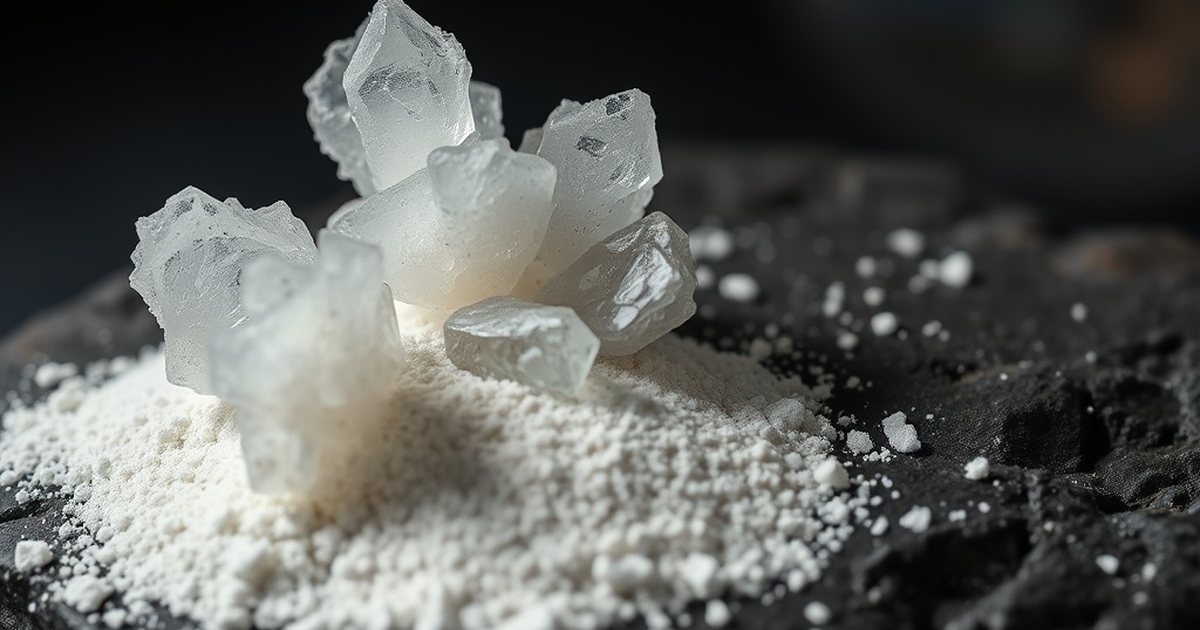
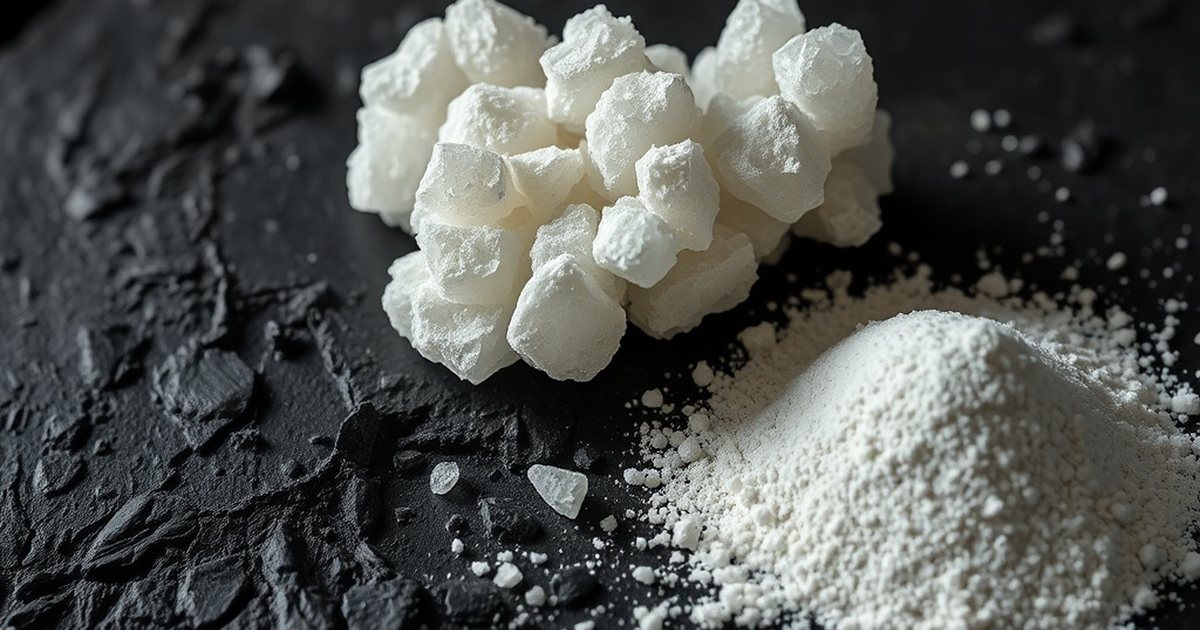
Commercial zeolite supplements emerged in the 1990s, initially in Japan and Eastern Europe, later expanding to North America. Early products were minimally processed mine-run materials; contemporary forms include micronized powders, liquid suspensions, and capsules with varying particle sizes and purity claims.
The shift from traditional bulk mineral use to standardized supplements introduced new variables: particle size reduction (micronization) increases surface area but may alter gastrointestinal transit; liquid suspensions raise questions about cation saturation equilibrium; and source variability means heavy metal contamination profiles differ significantly between deposits.
Evidence Gaps Between Historical Use and Modern Claims
Historical applications focused on gastrointestinal support, ammonia reduction in animal environments, and general “tonic” use — endpoints that differ substantially from modern marketing claims of systemic heavy metal detoxification, chelation, or disease treatment. No historical tradition employed zeolite for the specific mechanisms claimed in contemporary supplement marketing.
Critical differences exist between traditional contexts and modern use: historical consumption typically involved small amounts of whole mineral in food matrices, not concentrated isolates; animal applications targeted environmental ammonia management alongside feed inclusion; and traditional knowledge systems included empirical safety observations absent from modern regulatory frameworks.

🛒 Where to Buy Zeolite (Clinoptilolite)
- CleanseParasites Heavy Metal + Microplastics Binder Editor’s Pick
Contains zeolite alongside milk thistle, spirulina, and other binder herbs. - Touchstone Essentials Pure Body Extra Strength Zeolite
liquid, 1 tbsp (15 mL) — Best-known liquid nano-zeolite brand; MLM pricing but widely trusted in alt-health community - BodyBio Zeolite Powder
powder, 1/2 tsp — Practitioner-oriented brand, micronized clinoptilolite powder - Pure Zeolite Zeolite Powder (Ultimate Detox Clay)
powder, 1/4-1 tsp — Budget-friendly micronized powder - Zeo Health ZeoCharge
powder, 1/2 tsp — Long-standing niche zeolite brand, ultra-fine micronized clinoptilolite
As an Amazon Associate we earn from qualifying purchases. Quality varies widely — always choose a product with a published third-party test (COA) before buying.
A Note on the Evidence
Zeolite is a mined mineral; heavy metal contamination (lead, arsenic, aluminum) varies by source and processing. Third-party certificates of analysis are essential. Human clinical evidence is limited to small trials on gut/immune markers — not whole-body detoxification.[3] Consult a healthcare provider before use, especially if pregnant, nursing, have kidney disease, or take medications (zeolite may bind drugs in the gut).
Frequently Asked Questions
Did traditional cultures use zeolite for heavy metal detoxification?
No. Historical records describe uses for digestive complaints, diarrhea, ammonia reduction in animal housing, and general tonic purposes. The concept of systemic heavy metal chelation is a modern interpretation not found in traditional knowledge systems.
What is the oldest documented use of zeolite in animal feed?
Japanese agricultural records from the early 20th century describe adding volcanic ash (later identified as zeolite-rich) to livestock feed to reduce barn ammonia and improve animal condition. Soviet research programs expanded this systematically from the 1960s onward.

Are traditional zeolite sources the same as modern supplement sources?
Not necessarily. Historical use relied on locally accessible deposits with variable composition. Modern supplements may source from different deposits, process differently (micronization, suspension), and concentrate the mineral — all affecting purity, particle size, and potential contaminant profiles.
Did historical users experience adverse effects from zeolite?
Historical records are observational and lack systematic safety monitoring. Some traditions note constipation with excessive use. Modern concerns include potential heavy metal contamination from the mineral itself, variable aluminum bioavailability, and lack of long-term human safety data for concentrated forms.
How does traditional animal husbandry use differ from human supplement use?
Animal applications historically combined feed inclusion with environmental application (bedding, manure treatment) for ammonia management. Doses were typically lower relative to body weight, administered in feed matrices, and monitored for production endpoints (weight gain, feed conversion) rather than detoxification biomarkers.
Can traditional use history substitute for clinical evidence?
No. Historical use provides hypothesis-generating observations and safety signals at traditional exposure levels, but cannot establish efficacy, optimal dosing, or safety for modern concentrated supplement forms. The FDA has not evaluated zeolite for any health claim, and human clinical evidence remains limited to small trials on gut/immune markers.
References
- Zeolite Clinoptilolite: Therapeutic Virtues of an Ancient Mineral. Molecules (2019). PMID 30999685
- Critical Review on Zeolite Clinoptilolite Safety and Medical Applications in vivo. Frontiers in Pharmacology (2018). PMID 30538633
- Clinical Evaluation of a Defined Zeolite-Clinoptilolite Supplementation Effect on the Selected Blood Parameters of Patients. Frontiers in Medicine (2022). PMID 35712111
These statements have not been evaluated by the Food and Drug Administration. This information is not intended to diagnose, treat, cure, or prevent any disease. Content is for informational purposes only and is not medical advice; consult a qualified healthcare provider before starting any supplement. As an Amazon Associate we earn from qualifying purchases.