Zeolite is best known as an oral gut-support supplement, but a small body of research has also looked at applying purified clinoptilolite directly to skin and wounds. The idea is that the mineral’s porous, cation-binding structure might help manage a wound’s local environment, absorbing exudate, binding certain ions, and potentially supporting the tissue repair process, rather than working through digestion or systemic absorption.
This area of research is genuinely early. There are very few human trials, and most of what exists comes from a single phase I clinical trial in people and one animal model study. This article walks through what’s actually been tested, what the results suggested, and what’s still unknown, without overstating what a handful of small studies can tell us.
Key Takeaways
- Human evidence for topical zeolite on wounds is limited to one phase I safety and feasibility trial [1].
- A separate animal model study looked at clinoptilolite for a specific surgical complication (pharyngocutaneous fistula), not general skin wounds [2].
- Neither study supports claims about zeolite for cosmetic skincare, acne, or eczema.
- Heavy metal contamination varies by source; third-party COA testing matters more for a mineral applied to broken skin.
- This is not medical advice, open wounds and surgical complications require clinician oversight, not self-directed treatment.
What 'Topical Zeolite' Actually Means
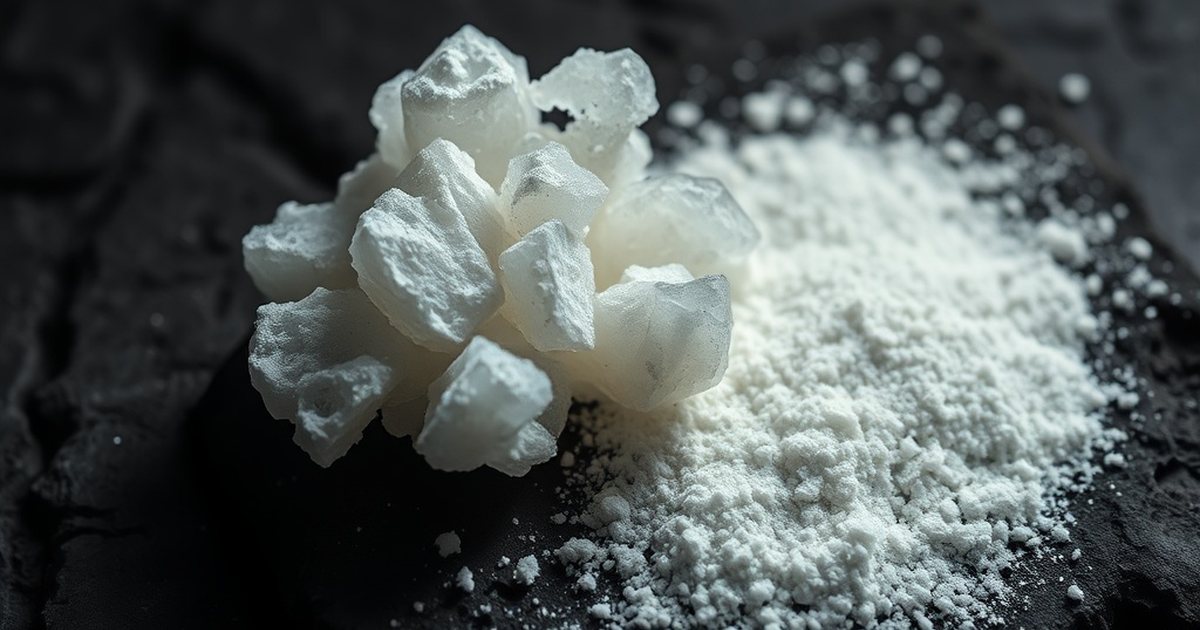
Topical zeolite refers to purified clinoptilolite-tuff, a naturally occurring aluminosilicate mineral, applied directly onto skin or a wound surface rather than taken by mouth. In wound research, it’s typically used as a powder or dressing-incorporated material placed over the wound bed [1].
The proposed rationale is physical and chemical rather than pharmacological: the mineral’s cage-like crystal lattice can adsorb moisture and exchange cations, which researchers have hypothesized could influence the wound microenvironment during healing. This is a mechanistic hypothesis under investigation, not an established mode of action.
The Human Clinical Trial on Cutaneous Wounds
The most direct evidence comes from a prospective, randomised phase I clinical trial testing topically administered purified clinoptilolite-tuff for cutaneous wound treatment [1]. Phase I trials are designed primarily to establish safety and feasibility in a small number of participants, not to definitively prove effectiveness, so the findings should be read as an early safety and proof-of-concept signal rather than confirmation that topical zeolite improves wound outcomes.

Because this is a single phase I study, it does not tell us how topical clinoptilolite compares to standard wound care dressings, silver-based products, or other established treatments in larger populations, nor does it establish an optimal formulation, concentration, or duration of use.
Animal Research on Pharyngocutaneous Fistula
A separate experimental animal model study compared clinoptilolite to two other agents, Myroxylon pereirae (balsam of Peru) and phenytoin, in the context of pharyngocutaneous fistula, a wound complication that can occur after certain head and neck surgeries [2]. This is a specific and unusual clinical scenario, distinct from general skin wounds, and the study was conducted in animals, not people.
Animal model findings are useful for generating hypotheses about how a substance might behave in living tissue, but they cannot be directly extrapolated to human wound care outcomes. Differences in skin structure, healing physiology, and wound type between the animal model and human patients mean this study should be viewed as preliminary mechanistic groundwork rather than clinical guidance.
What This Research Does and Doesn't Establish
Taken together, the two available studies suggest researchers are interested in whether clinoptilolite has a role in wound care, and that at least one small human phase I trial found it feasible to administer topically to cutaneous wounds [1]. They do not establish that topical zeolite heals wounds faster, reduces infection rates, improves scarring, or outperforms conventional wound dressings.
There is no large-scale, phase II or III human trial data available in the evidence reviewed here. Claims about topical zeolite for general skincare, acne, eczema, or cosmetic use are not supported by either of the studies cited, since neither addressed those uses.

Contamination and Sourcing: A Bigger Issue for Skin Use
Because clinoptilolite is a mined mineral, its trace element content, including potential contamination with lead or other heavy metals, varies depending on the deposit and how the material is purified and micronized. This matters for any topical product, but especially for anything applied to broken skin or an open wound, where a barrier that normally limits absorption is compromised.
The clinical trial cited here used purified clinoptilolite-tuff specifically prepared for research use [1], not an off-the-shelf consumer product. Anyone considering a topical zeolite product should look for third-party certificate of analysis (COA) documentation confirming heavy metal testing, since purity is not guaranteed simply because the label says ‘natural mineral.’
Who Should Be Cautious
Open wounds, surgical sites, and post-surgical complications like fistulas are medical situations that should be managed by a qualified clinician. The research here, including the phase I trial, was conducted under clinical supervision with a specific study protocol, not as a self-directed home treatment [1].
People with chronic wounds, diabetic ulcers, or any non-healing skin condition should not substitute an unproven topical product, zeolite or otherwise, for evaluation and treatment from a healthcare provider, since delayed proper wound care carries its own risks.

🛒 Where to Buy Zeolite (Clinoptilolite)
- CleanseParasites Heavy Metal + Microplastics Binder Editor’s Pick
Contains zeolite alongside milk thistle, spirulina, and other binder herbs. - Touchstone Essentials Pure Body Extra Strength Zeolite
liquid, 1 tbsp (15 mL) — Best-known liquid nano-zeolite brand; MLM pricing but widely trusted in alt-health community - BodyBio Zeolite Powder
powder, 1/2 tsp — Practitioner-oriented brand, micronized clinoptilolite powder - Pure Zeolite Zeolite Powder (Ultimate Detox Clay)
powder, 1/4-1 tsp — Budget-friendly micronized powder - Zeo Health ZeoCharge
powder, 1/2 tsp — Long-standing niche zeolite brand, ultra-fine micronized clinoptilolite
As an Amazon Associate we earn from qualifying purchases. Quality varies widely — always choose a product with a published third-party test (COA) before buying.
A Note on the Evidence
This article summarizes two limited studies, one small human phase I trial and one animal model, and is not a substitute for medical advice; anyone with an open wound, surgical complication, or chronic skin condition should consult a qualified healthcare provider rather than self-treat with an unproven topical product.
Frequently Asked Questions
Is topical zeolite FDA-approved for wound care?
No. The FDA has not evaluated zeolite for any health claim, including topical wound applications. The research discussed here comes from an early-phase clinical trial and an animal model study, not an approved medical indication.

Has topical zeolite been tested on humans?
Yes, in one prospective, randomised phase I clinical trial evaluating purified clinoptilolite-tuff applied to cutaneous wounds [1]. Phase I trials focus on safety and feasibility in small groups, so this is early-stage evidence, not proof of effectiveness at scale.

Can zeolite help heal a fistula after surgery?
An animal model study compared clinoptilolite with two other agents in a pharyngocutaneous fistula model following simulated head and neck surgery complications [2]. This was conducted in animals, not humans, so it doesn’t establish a treatment for people.
Is it safe to put zeolite powder directly on skin or wounds?
The research cited used purified, research-grade clinoptilolite-tuff under clinical study conditions [1], not a random consumer supplement powder. Contamination risk varies by mineral source, so unverified products should not be applied to open skin without a clinician’s guidance and confirmed purity testing.
Does topical zeolite work for everyday skincare like acne or eczema?
There’s no evidence in the studies reviewed here addressing acne, eczema, or general cosmetic skin use. Both available studies focused specifically on wound contexts (a cutaneous wound trial and a surgical fistula model), not everyday skincare conditions.
Should I use topical zeolite instead of standard wound care?
No. The available research doesn’t compare topical zeolite against standard wound dressings or established treatments in a way that would support replacing standard care. Anyone with a wound, especially a non-healing or surgical one, should be evaluated by a healthcare provider.
References
- Deinsberger J et al. Topically administered purified clinoptilolite-tuff for the treatment of cutaneous wounds: A prospective, randomised phase I clinical trial. Wound repair and regeneration : official publication of the Wound Healing Society [and] the European Tissue Repair Society (2022). PMID 35043507
- Pamuk E et al. Effects of Myroxylon pereirae, Phenytoin, and Clinoptilolite After Pharyngocutaneous Fistula: An Experimental Animal Model. Otolaryngology–head and neck surgery : official journal of American Academy of Otolaryngology-Head and Neck Surgery (2025). PMID 39981887
These statements have not been evaluated by the Food and Drug Administration. This information is not intended to diagnose, treat, cure, or prevent any disease. Content is for informational purposes only and is not medical advice; consult a qualified healthcare provider before starting any supplement. As an Amazon Associate we earn from qualifying purchases.