Zeolite supplements, primarily based on the mineral clinoptilolite, are marketed for gut health and detoxification support due to their cage-like aluminosilicate lattice that binds cations through ion exchange. While the base material shares a name, the origin—whether mined from natural deposits or synthesized in a laboratory—creates significant differences in crystal structure, purity, particle size, and potential contaminant profiles that directly impact supplement quality.
Natural clinoptilolite forms over geological timescales in volcanic ash layers, resulting in a heterogeneous material that often contains accessory minerals and variable heavy metal loads depending on the mine source.[1] Synthetic zeolites are manufactured under controlled conditions to produce uniform, high-purity crystals, but they lack the long history of dietary use associated with the natural mineral. Understanding these distinctions is essential for evaluating product safety and efficacy claims.
Key Takeaways
- Natural clinoptilolite varies by mine source; synthetic zeolites are engineered for uniformity but differ in pore size and cation form.[2]
- Heavy metal contamination is the primary safety concern for natural zeolites; synthetic versions have lower baseline risk but require verification of synthesis purity.
- The FDA has not approved zeolite for any health claim; human clinical data is limited to a few small studies of blood mineral and metal levels, with mixed changes including a rise in blood lead in some trials, and none shows systemic detoxification.
- Particle size and morphology (irregular natural vs. uniform synthetic) affect suspension behavior and surface kinetics, but optimal size for gut ion exchange is not established.
- A batch-specific, third-party COA (XRD purity, ICP-MS heavy metals, microbial) is the only reliable way to assess supplement quality for either type.
Crystal Structure and Ion-Exchange Capacity
Both natural and synthetic zeolites rely on a three-dimensional framework of silica and alumina tetrahedra creating channels and cages occupied by exchangeable cations (typically sodium, calcium, potassium, or magnesium). In natural clinoptilolite, the silicon-to-aluminum ratio and cation population are fixed by the specific geological conditions of the deposit, leading to batch variability in cation exchange capacity (CEC). Synthetic analogs, such as zeolite A, X, Y, or beta, are engineered with precise Si/Al ratios and pore dimensions to target specific molecular sieving or exchange properties.
The ion-exchange mechanism—the proposed basis for binding ammonium and heavy metal ions in the gut—depends on the accessibility of these cations within the pore structure. Natural clinoptilolite typically exhibits a 2D channel system with 8-ring pores (~4.0 x 5.5 Å), while synthetic varieties can be tailored with larger 12-ring pores (e.g., zeolite Y, ~7.4 Å) or smaller 8-ring pores (zeolite A, ~4.1 Å). This structural difference dictates which hydrated ions can physically enter the cages, a critical factor often overlooked in marketing materials that treat all zeolites as functionally identical.
Purity, Accessory Minerals, and Processing
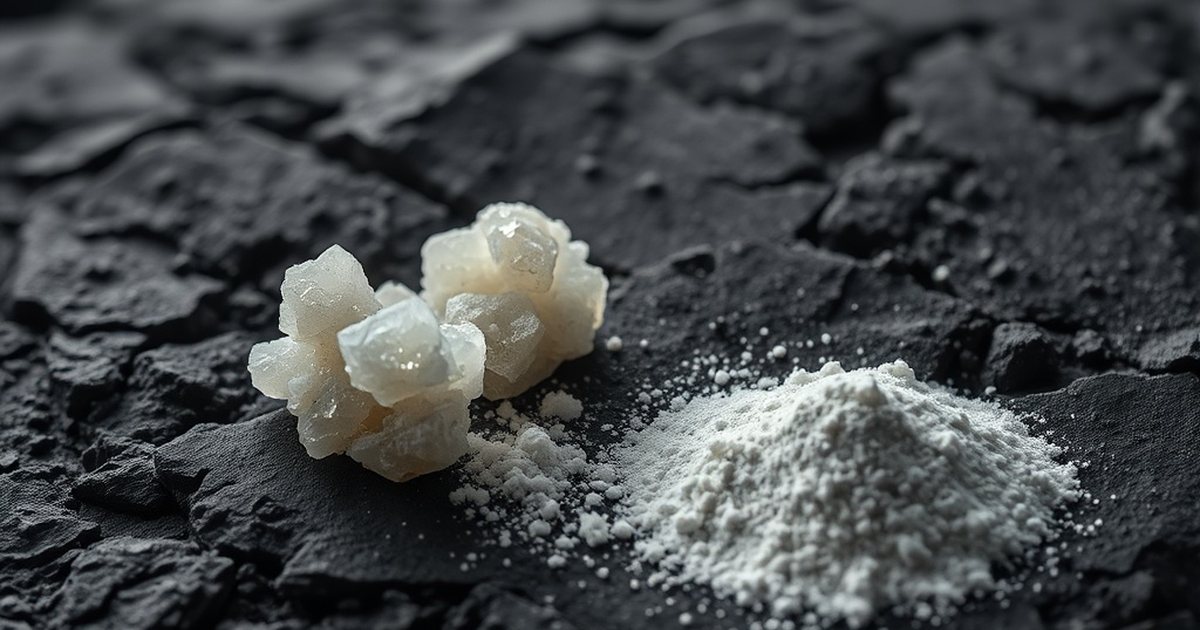
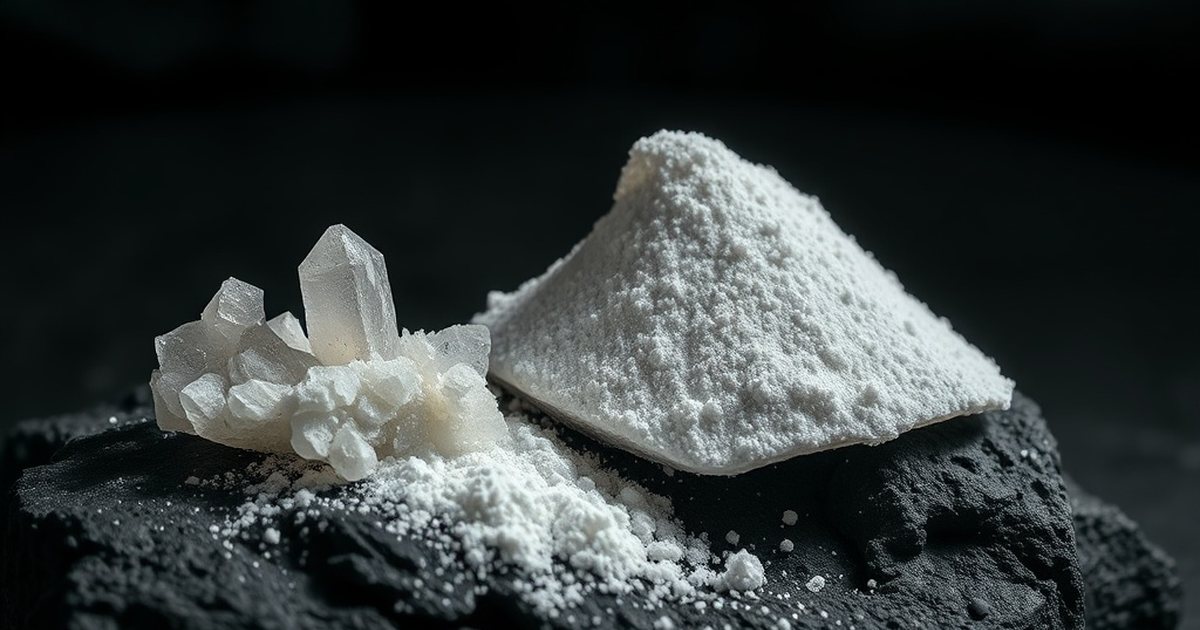
Mined clinoptilolite is rarely pure; it occurs as a component of volcanic tuffs intergrown with clay minerals (montmorillonite, illite), feldspars, quartz, and volcanic glass. Commercial grades for supplements typically range from 70% to 95% clinoptilolite content. Processing involves mechanical milling (micronization) and sometimes acid washing or thermal treatment to reduce accessory minerals and improve surface area. However, aggressive processing can dealuminate the framework, reducing structural stability and CEC.

Synthetic zeolites are produced via hydrothermal crystallization from pure silica and alumina sources (e.g., sodium silicate, sodium aluminate) yielding products often exceeding 99% purity with negligible accessory minerals. This eliminates the variability of natural gangue minerals but introduces the need for rigorous removal of synthesis byproducts, residual sodium hydroxide, and template molecules (if used). For supplement applications, the high sodium content of many synthetic zeolites (e.g., Na-A, Na-X) may require ion exchange to calcium or potassium forms to avoid excessive sodium intake.
Heavy Metal Contamination and Sourcing Transparency
Because natural zeolites form in volcanic environments, they can incorporate trace heavy metals (lead, arsenic, cadmium, mercury) into their lattice or as surface inclusions during genesis. The concentration varies dramatically by geographic deposit. A clinoptilolite from one mine may meet strict pharmacopeial limits for lead, while another from a different region may exceed them by orders of magnitude. This variability makes the Certificate of Analysis (COA) from the specific raw material batch the single most important quality document for a natural zeolite supplement.
Synthetic zeolites, derived from purified chemical reagents, generally start with a much lower heavy metal baseline. However, contamination can still occur from raw materials (e.g., technical-grade sodium silicate), reactor vessels, or post-synthesis handling. While the risk profile differs, third-party verification remains essential for both categories. The FDA has not evaluated zeolite for any health claim, and because it is a mined or manufactured mineral powder, the burden of proof for purity rests entirely on the brand’s supply chain transparency.
Particle Size, Morphology, and Bioaccessibility
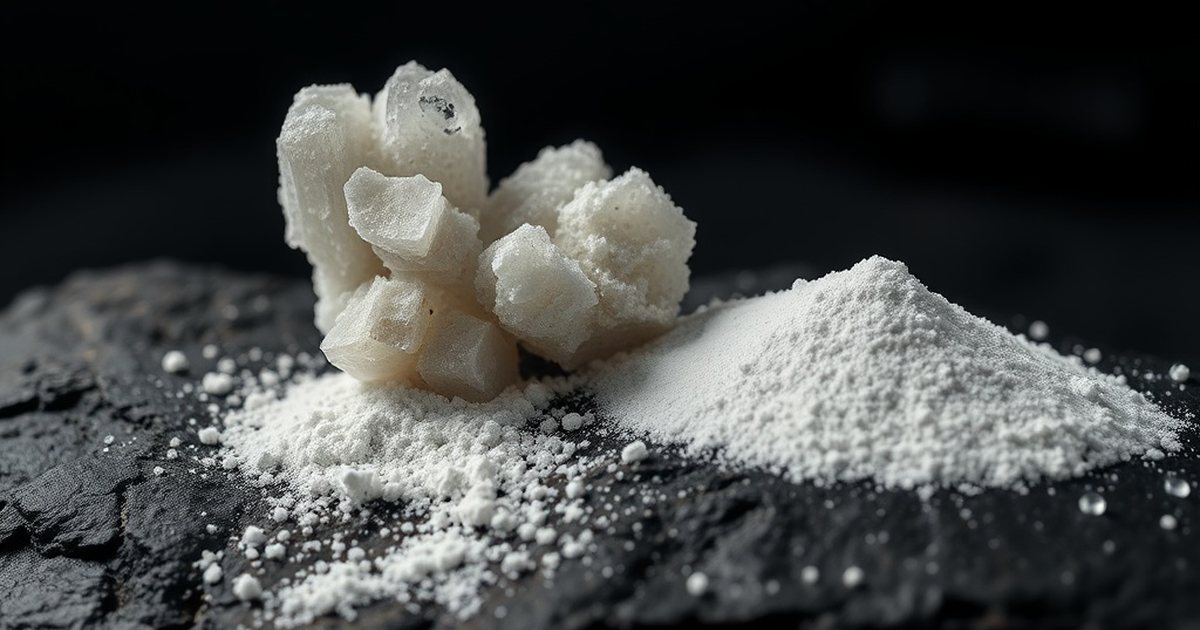
Supplemental zeolite is sold as micronized powder (typically < 20 µm, often < 10 µm), liquid suspensions (colloidal or nanosized), or capsules. Natural clinoptilolite particles are irregular, plate-like fragments from mechanical milling. Synthetic zeolites crystallize as uniform polyhedra (cubes, octahedra, spheres) with narrow size distributions. This morphology affects flow properties, suspension stability, and—critically—the external surface area available for rapid ion exchange versus the internal pore volume requiring diffusion.
Nanosized or colloidal suspensions claim enhanced bioavailability, but reducing particle size below the micron range increases the external surface area relative to the internal cage volume. For a material whose primary mechanism is ion exchange within the crystal lattice, excessively small particles may not offer a proportional benefit and could theoretically increase the release of framework aluminum in acidic gastric fluid. Independent data on the gastrointestinal fate of different zeolite particle sizes in humans remains limited to small trials on gut/immune markers.

Regulatory Status and Clinical Evidence Landscape
In the United States, zeolite (clinoptilolite) is sold as a dietary ingredient, often under the ‘old dietary ingredient’ framework or as a GRAS substance for specific anti-caking uses in animal feed, not for human detoxification claims. The FDA has not evaluated zeolite for any health claim regarding heavy metal detoxification, immune modulation, or gut barrier support. Clinical evidence in humans consists of small, often open-label or pilot studies examining markers like zonulin, oxidative stress, or gut microbiota composition, rather than rigorous trials demonstrating whole-body heavy metal depletion.
Synthetic zeolites have a longer history in industrial catalysis, detergents, and gas separation, and specific synthetic formulations (e.g., cubic zirconium silicate) have been investigated as pharmaceutical agents for hyperkalemia. However, the synthetic zeolites used in those drug development programs are distinct from the synthetic zeolite powders sold as supplements. Consumers should not conflate pharmaceutical-grade synthetic zeolite data with supplement-grade products, which lack the same manufacturing controls and clinical validation.
Quality Verification: What to Look for on a COA
Given the contamination risks inherent to mined minerals and the variability of natural deposits, a batch-specific Certificate of Analysis (COA) from an ISO 17025 accredited third-party lab is non-negotiable for natural clinoptilolite supplements. The COA should report: clinoptilolite content (via XRD), heavy metals (Pb, As, Cd, Hg via ICP-MS), microbial limits, and particle size distribution. Aluminum and silicon content should be reported to confirm framework integrity.
For synthetic zeolite supplements, the COA should verify the specific zeolite structure (XRD pattern matching the claimed type, e.g., Na-P1, Na-A), purity (absence of unreacted silica/alumina), residual synthesis chemicals (NaOH, templates), and heavy metals. Brands that only provide a generic ‘material specification sheet’ or a COA for a different lot number are not providing adequate quality assurance. Third-party COA verification matters more for zeolite than for most supplements because the raw material is essentially purified dirt or industrial chemical slurry.

🛒 Where to Buy Zeolite (Clinoptilolite)
- CleanseParasites Heavy Metal + Microplastics Binder Editor’s Pick
Contains zeolite alongside milk thistle, spirulina, and other binder herbs. - Touchstone Essentials Pure Body Extra Strength Zeolite
liquid, 1 tbsp (15 mL) — Best-known liquid nano-zeolite brand; MLM pricing but widely trusted in alt-health community - BodyBio Zeolite Powder
powder, 1/2 tsp — Practitioner-oriented brand, micronized clinoptilolite powder - Pure Zeolite Zeolite Powder (Ultimate Detox Clay)
powder, 1/4-1 tsp — Budget-friendly micronized powder - Zeo Health ZeoCharge
powder, 1/2 tsp — Long-standing niche zeolite brand, ultra-fine micronized clinoptilolite
As an Amazon Associate we earn from qualifying purchases. Quality varies widely — always choose a product with a published third-party test (COA) before buying.
A Note on the Evidence
Zeolite supplements are not FDA-approved to treat, cure, or prevent any disease. Clinical evidence in humans is limited to a few small studies of blood mineral and metal levels, which showed mixed changes including a rise in blood lead in some trials; there is no proof of systemic heavy metal detoxification.[3] Natural zeolite contamination varies by source; synthetic versions may contain residual synthesis chemicals. Individuals with kidney disease, electrolyte imbalances, or those taking medications should consult a healthcare provider before use due to ion-exchange effects and potential aluminum release in stomach acid.
Frequently Asked Questions
Is synthetic zeolite safer than natural zeolite?
Synthetic zeolites generally start with lower heavy metal contamination because they are made from purified reagents, but they can contain residual synthesis chemicals (e.g., sodium hydroxide) or high sodium levels. Safety depends on the specific manufacturing controls and third-party testing, not solely on the origin.
Does natural clinoptilolite contain lead?
Natural clinoptilolite can contain lead and other heavy metals depending on the geological deposit. Concentrations vary significantly between mines. A batch-specific COA showing ICP-MS results for lead, arsenic, cadmium, and mercury is required to know the exposure from a specific product.

Can zeolite supplements remove heavy metals from the whole body?
Zeolite acts in the gastrointestinal tract via ion exchange; it does not enter systemic circulation. Clinical evidence in humans is limited to small trials on gut/immune markers. There is no robust clinical evidence that oral zeolite chelates heavy metals from tissues, blood, or organs (whole-body detoxification).
What is the difference between micronized powder and liquid zeolite?
Micronized powder is mechanically milled clinoptilolite (typically < 20 µm). Liquid suspensions contain finer particles (colloidal or nano) dispersed in water. Smaller particles have more external surface area but the same internal cage volume; claims of superior 'absorption' for liquids are not substantiated by comparative human bioavailability studies.
Why does the cation form (sodium, calcium, potassium) matter?
The cation occupying the zeolite cages is what gets exchanged in the gut. Sodium-form zeolites (common in synthetic Na-A or Na-X) release sodium, which may be undesirable for blood pressure. Calcium or potassium forms are often preferred for dietary supplements. Natural clinoptilolite is typically calcium/potassium rich but varies by deposit.
How can I verify a zeolite supplement's quality?
Request a batch-specific Certificate of Analysis (COA) from an ISO 17025 accredited third-party lab. It must include: X-ray diffraction (XRD) confirming clinoptilolite content/structure, ICP-MS heavy metal panel (Pb, As, Cd, Hg), microbial limits, and particle size. Avoid brands that only provide generic specification sheets or outdated COAs.
References
- Critical Review on Zeolite Clinoptilolite Safety and Medical Applications in vivo. Frontiers in Pharmacology (2018). PMID 30538633
- Zeolite Clinoptilolite: Therapeutic Virtues of an Ancient Mineral. Molecules (2019). PMID 30999685
- Clinical Evaluation of a Defined Zeolite-Clinoptilolite Supplementation Effect on the Selected Blood Parameters of Patients. Frontiers in Medicine (2022). PMID 35712111
These statements have not been evaluated by the Food and Drug Administration. This information is not intended to diagnose, treat, cure, or prevent any disease. Content is for informational purposes only and is not medical advice; consult a qualified healthcare provider before starting any supplement. As an Amazon Associate we earn from qualifying purchases.