Zeolite is often marketed as an anti-inflammatory supplement, sometimes alongside claims about detoxing the whole body. The actual evidence base is much narrower than the marketing suggests: most of what exists comes from animal feeding trials, cell culture experiments, and a small number of human studies in specific gut conditions, not broad human trials measuring inflammation in healthy people.
This article walks through what’s actually been studied, using only research on clinoptilolite (the specific zeolite mineral used in supplements). Nothing here is medical advice, and the FDA has not evaluated zeolite for any health claim.
Key Takeaways
- Most inflammatory-marker evidence for clinoptilolite comes from animal feeding studies (poultry, piglets) and cell culture, not human trials.
- The proposed mechanism is gut toxin/endotoxin binding and barrier support (via TLR4 and tight junction pathways), although in broiler chickens it also lowered inflammatory mediators after an endotoxin challenge [1] [2].
- A mouse colitis model and a human refractory-diarrhoea study are the closest evidence to real-world gut inflammation use cases [3] [4].
- Two randomized human trials have measured inflammatory blood markers. In 52 endurance-trained adults, 12 weeks of zeolite produced no significant change in most measured markers, though stool zonulin fell and IL-10 tended to rise [5]; a 41-patient pilot in irritable bowel syndrome reported lowered hsCRP, alongside a symptom improvement just as large on placebo [6]. Neither studied a general population.
- Sourcing matters: as a mined mineral, contamination varies, so third-party COA testing is more important here than for many supplements.
How Clinoptilolite Is Thought to Affect Inflammation
Clinoptilolite has a porous, cage-like crystal structure that binds certain ions and molecules through adsorption and ion exchange. In the gut, the proposed mechanism for any anti-inflammatory effect isn’t a direct anti-inflammatory drug-like action, it’s more indirect: by binding bacterial toxins, ammonium, or other irritants at the intestinal lining, the mineral may reduce the triggers that provoke local immune activation and downstream inflammatory signaling.
This is a mechanistic hypothesis supported mainly by animal gut studies, not a settled explanation confirmed in humans. Several of the studies below test exactly this idea, whether binding toxins in the gut translates into lower markers of inflammation in blood or tissue.

Animal Studies: Acute Phase Proteins and Cytokines
One of the more direct looks at zeolite and inflammatory markers comes from a poultry study, where chickens fed Transcarpathian clinoptilolite showed changes in acute phase proteins and cytokine concentrations in serum and liver tissue compared to unsupplemented birds [7]. Acute phase proteins and cytokines are standard markers used to gauge systemic inflammatory activity, so this is one of the few studies that directly measured what the marketing claims (inflammatory markers) rather than a downstream proxy like weight gain.
It’s worth being clear about the limits here: this is a livestock feed study in chickens, not humans, and it doesn’t establish dosing, mechanism specificity, or whether the same shifts would occur in a person’s serum. It does, however, support the plausibility that clinoptilolite intake can influence circulating inflammatory proteins in a living animal, not just in a test tube.
Gut Barrier and Local Inflammation in Animal Models
A murine (mouse) model of colitis induced with dextran sulphate sodium tested a microparticulate clinoptilolite preparation and reported that it was effective and safe in that model [3]. Dextran sulphate sodium colitis is a standard way researchers simulate inflammatory bowel disease-like injury in animals, so this is a more targeted test of whether zeolite can blunt an active inflammatory gut insult, rather than just general feed supplementation.

In broiler chickens, natural and modified clinoptilolite were tested for their effects on intestinal barrier function and immune response to LPS (lipopolysaccharide, a bacterial endotoxin that triggers strong inflammatory responses) [1]. This ties back to the adsorption mechanism: if the mineral is binding LPS or supporting barrier integrity, that would plausibly reduce the immune system’s exposure to a known inflammatory trigger.

A related mycotoxin-binder study in piglets found that supplementation reduced toll-like receptor-4 (TLR4) expression and increased tight junction protein gene expression in gut mucosa, alongside improved growth rate [2]. TLR4 is a key receptor in triggering inflammatory signaling in response to bacterial and toxin exposure, and tight junction proteins are central to gut barrier integrity, so this again points to a barrier-and-toxin-binding pathway rather than a direct anti-inflammatory drug effect.
Cell Culture Evidence: Apoptosis and Inflammation Together
In liver cell culture exposed to the chemotherapy drug adriamycin (known to cause oxidative stress, apoptosis, and inflammation), clinoptilolite counteracted both the apoptotic and inflammatory effects of the drug [8]. This is an in vitro (cell culture) study, so it isolates a cellular-level effect without the complexity of a whole digestive system or immune system, useful for mechanism, but not something that tells you what happens when a person swallows a zeolite capsule.
Human Evidence: Limited, and Focused on Gut Symptoms
The human trials divide into two kinds. The larger test of inflammatory markers randomized 52 endurance-trained adults to zeolite or placebo for 12 weeks: a marker of intestinal permeability (zonulin) improved, but the inflammation and redox markers did not change significantly [5]. A smaller double-blind pilot gave a commercial PMA-zeolite product to 41 people with irritable bowel syndrome and reported a fall in hsCRP and in stool alpha-1-antitrypsin, though symptom scores improved just as much in the placebo group [6]. The third looked at clinoptilolite in drug-refractory chronic diarrhoea [4]. This is a clinical study in people, which matters because animal and cell data don’t always translate. However, this study was designed around a specific gut symptom (chronic diarrhoea that hadn’t responded to standard drugs), not a general test of inflammatory blood markers in otherwise healthy adults.
That’s the honest state of human evidence right now: two small randomized trials and a clinical study in a specific refractory condition, none of them a broad test of CRP, IL-6, or other standard inflammation panels in the general population. Anyone extrapolating from the animal/cell findings to “zeolite lowers inflammation in humans” broadly is going beyond what’s been directly tested.

What This Body of Evidence Does and Doesn't Support
Taken together, these studies support a plausible, mechanistically coherent story: clinoptilolite can bind gut toxins and support barrier function in animal models, this is associated with lower markers of local and systemic inflammation in some animal and cell studies, and there’s a small human trial suggesting benefit for a specific refractory gut symptom. What it doesn’t support is a direct claim that zeolite supplements lower inflammatory markers in general human populations, reduce whole-body inflammation, or work the way “detox” marketing implies.
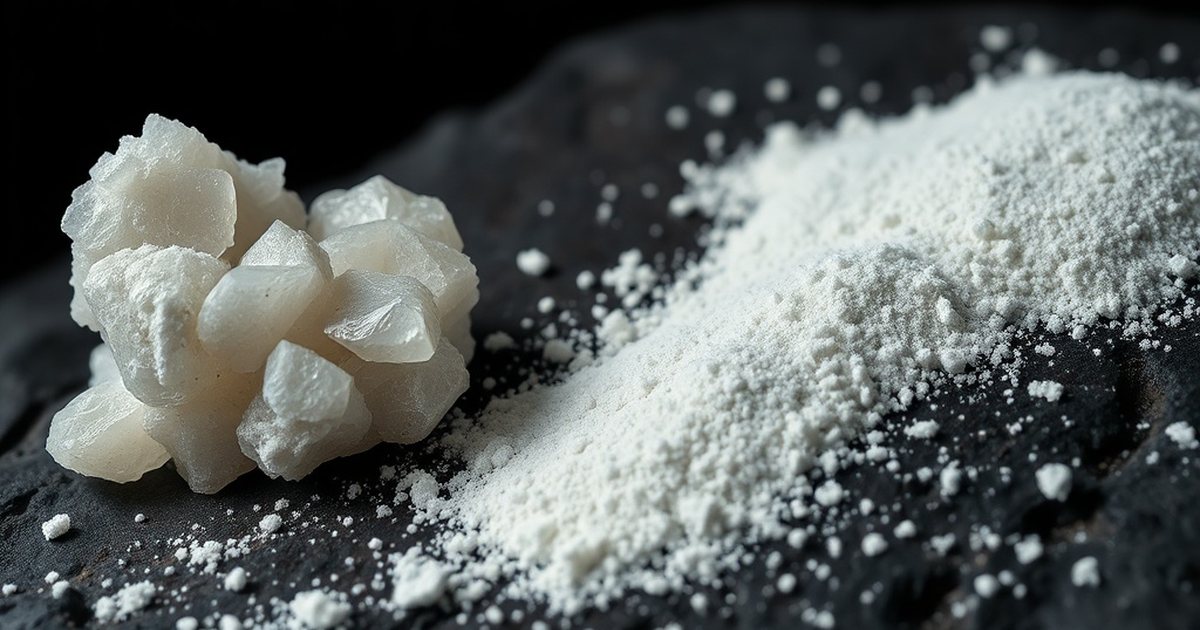
Because clinoptilolite is a mined mineral, contamination with lead or other heavy metals varies by source and processing. If someone is considering it, third-party Certificate of Analysis (COA) verification for heavy metals matters more here than for many other supplement categories.
🛒 Where to Buy Zeolite (Clinoptilolite)
- CleanseParasites Heavy Metal + Microplastics Binder Editor’s Pick
Contains zeolite alongside milk thistle, spirulina, and other binder herbs. - Touchstone Essentials Pure Body Extra Strength Zeolite
liquid, 1 tbsp (15 mL) — Best-known liquid nano-zeolite brand; MLM pricing but widely trusted in alt-health community - BodyBio Zeolite Powder
powder, 1/2 tsp — Practitioner-oriented brand, micronized clinoptilolite powder - Pure Zeolite Zeolite Powder (Ultimate Detox Clay)
powder, 1/4-1 tsp — Budget-friendly micronized powder - Zeo Health ZeoCharge
powder, 1/2 tsp — Long-standing niche zeolite brand, ultra-fine micronized clinoptilolite
As an Amazon Associate we earn from qualifying purchases. Quality varies widely — always choose a product with a published third-party test (COA) before buying.

A Note on the Evidence
This is informational, not medical advice, the evidence here is dominated by animal and cell studies with only limited human data in a specific condition, and anyone with existing gut, kidney, or heavy-metal exposure concerns should talk to a doctor and verify third-party heavy-metal testing before using a zeolite product.
Frequently Asked Questions
Does zeolite lower inflammation markers in humans?
There isn’t direct human evidence measuring standard inflammatory blood markers like CRP or IL-6 after zeolite supplementation. The closest human data is a small study in drug-refractory chronic diarrhoea [4], not a general inflammation trial.
What's the proposed mechanism for zeolite's effect on inflammation?
Clinoptilolite is thought to bind gut toxins like ammonium and bacterial endotoxin (LPS) via its porous crystal structure, potentially reducing the triggers that activate immune signaling and supporting gut barrier integrity through tight junction proteins [1] [2].
Has zeolite been tested in inflammatory bowel disease models?
Yes, a mouse model of dextran sulphate sodium-induced colitis found a microparticulate clinoptilolite preparation to be effective and safe in that model [3]. This is an animal model, not a human IBD trial.

Is there evidence zeolite affects acute phase proteins and cytokines?
A poultry feeding study found changes in acute phase proteins and cytokine levels in serum and liver tissue in chickens supplemented with clinoptilolite [7]. This is animal data and hasn’t been confirmed in humans.
Does zeolite protect cells from inflammatory damage?
In liver cell culture exposed to a drug known to cause oxidative stress and inflammation, clinoptilolite counteracted both apoptotic and inflammatory effects [8]. This is a cell culture finding, not evidence of the same effect in a living person.
Is zeolite safe to take for inflammation?
Zeolite hasn’t been evaluated by the FDA for any health claim, and because it’s a mined mineral, contamination with lead or other heavy metals varies by source. Anyone considering it should look for third-party COA testing and talk to a doctor, especially given the limited human evidence base.
References
- Wu QJ et al. The effects of natural and modified clinoptilolite on intestinal barrier function and immune response to LPS in broiler chickens. Veterinary immunology and immunopathology (2013). PMID 23453767
- Jin L et al. Mycotoxin binder improves growth rate in piglets associated with reduction of toll-like receptor-4 and increase of tight junction protein gene expression in gut mucosa. Journal of animal science and biotechnology (2017). PMID 29118977
- Nizet S et al. Clinoptilolite in Dextran Sulphate Sodium-Induced Murine Colitis: Efficacy and Safety of a Microparticulate Preparation. Inflammatory bowel diseases (2017). PMID 29272495
- Palmieri B et al. Clinoptilolite in the drug refractory chronic diarrhoea. La Clinica terapeutica (2025). PMID 39957445
- Lamprecht M et al. Effects of zeolite supplementation on parameters of intestinal barrier integrity, inflammation, redoxbiology and performance in aerobically trained subjects. Journal of the International Society of Sports Nutrition (2015). PMID 26500463
- Petkov V et al. PMA-zeolite can modulate inflammation associated markers in irritable bowel disease – an explorative randomized, double blinded, controlled pilot trial. Neuro endocrinology letters (2021). PMID 33930939
- Grądzki Z et al. The effect of feed supplementation with Transcarpathian zeolite (clinoptilolite) on the concentrations of acute phase proteins and cytokines in the serum and hepatic tissue of chickens. Poultry science (2020). PMID 32359577
- Yapislar H et al. Counteraction of Apoptotic and Inflammatory Effects of Adriamycin in the Liver Cell Culture by Clinopitolite. Biological trace element research (2016). PMID 26306587
These statements have not been evaluated by the Food and Drug Administration. This information is not intended to diagnose, treat, cure, or prevent any disease. Content is for informational purposes only and is not medical advice; consult a qualified healthcare provider before starting any supplement. As an Amazon Associate we earn from qualifying purchases.