Zeolite (usually sold as clinoptilolite) and activated charcoal are two of the most common “binder” supplements people reach for when they want to support gut cleanup, reduce bloating, or address suspected toxin exposure. They get lumped together because both are marketed as broad-spectrum binders, but they are chemically very different materials with different strengths, weaknesses, and risk profiles.
This article breaks down how each one actually works, what they’re plausible for versus what’s marketing overreach, and the practical tradeoffs (dosing, drug interactions, contamination risk) that should inform which one — if either — makes sense for a given situation. One thing to settle up front: no trial has ever given both binders to the same people and compared them. Nothing below is a measured ranking, and any article that presents one is inferring it. What each material has been tested for separately, in humans, is real and worth knowing: purified clinoptilolite cut absorption of a swallowed lead tracer by about 90% in a randomised placebo-controlled trial[1], and activated charcoal has been measured, repeatedly, doing the thing that makes it useful in an emergency and risky at the dinner table: removing drugs[2].
Key Takeaways
- Zeolite binds via selective ion exchange (particular cations like ammonium and some metals); activated charcoal binds via broad, non-selective surface adsorption.
- Charcoal’s breadth is also its downside — it can reduce absorption of nutrients and medications if timing isn’t managed.
- Zeolite’s mineral origin means contamination risk (lead, other metals) varies by source; always check third-party COAs.
- Neither is FDA-evaluated for detox claims; charcoal’s legitimate medical use is for acute poisoning under supervision, not routine wellness dosing.
- Anyone on prescription medication should get medical/pharmacist input before regularly using either binder.
How Zeolite Works
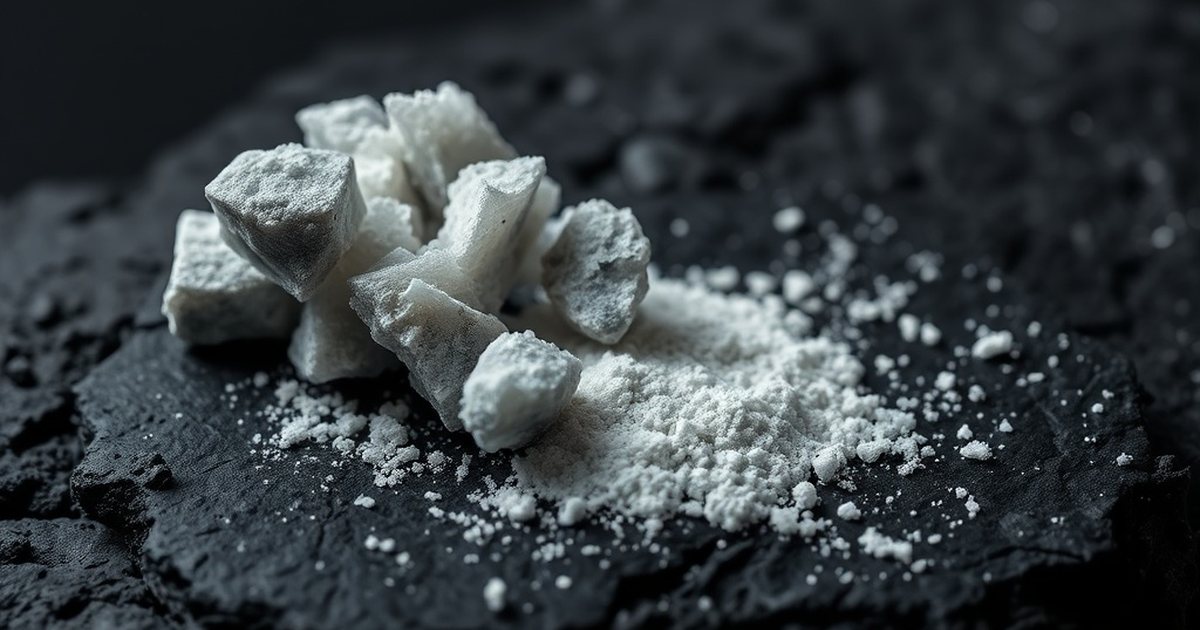
Clinoptilolite zeolite is a naturally occurring aluminosilicate mineral with a rigid, cage-like crystal lattice. Within that lattice are open channels lined with negatively charged sites that attract and hold positively charged ions (cations) through a process called ion exchange, alongside some surface adsorption. This gives it a particular affinity for certain cations, including ammonium and some heavy metal ions, in the digestive tract.
Because the binding is driven by charge and pore geometry rather than sheer surface area, zeolite tends to be more selective than a generalist adsorbent. It is not indiscriminate — it doesn’t grab everything that passes by, which is part of the marketing pitch (“targeted” binding) but also a real mechanistic limitation: it isn’t built to bind the vast range of organic toxins, gases, and drugs that activated charcoal binds well.

How Activated Charcoal Works
Activated charcoal is carbon that has been processed to create an enormous internal surface area riddled with microscopic pores. Its mechanism is physical adsorption: molecules stick to the porous carbon surface via van der Waals forces, not ion exchange. This is a fundamentally non-selective process — activated charcoal will adsorb a very wide range of organic molecules, gases, and many drugs, which is exactly why it’s the standard tool used in emergency medicine for certain acute oral poisonings and overdoses (under medical supervision, not as a wellness product).
That same non-selectivity is charcoal’s double-edged sword outside the emergency room: it doesn’t distinguish between a toxin you want removed and a nutrient, medication, or supplement you’re trying to absorb. Taken close to mealtimes or medication doses, it can meaningfully blunt absorption of things you don’t want blunted.
Binding Range and Selectivity: The Core Tradeoff
The single biggest practical difference between these two binders is scope. Charcoal is a broad-spectrum adsorbent — good for a wide variety of organic compounds, gases (hence its use for bloating/gas), and many drugs and toxins, but that breadth means it will also strip out beneficial compounds if timing isn’t managed carefully.
Zeolite’s ion-exchange mechanism is narrower and more selective for certain cations, including ammonium and specific metal ions, which is the basis for its “gut and immune marker support” positioning rather than a whole-body detox claim. Neither material’s marketed “detox” framing should be taken as a validated clinical claim — the FDA has not evaluated zeolite for any health claim, and it’s worth treating charcoal’s wellness-context claims with the same skepticism even though its emergency medical use is well established.
Safety, Purity, and Contamination Considerations
Zeolite is a mined mineral, and mining/processing source varies widely by supplier. Because the material itself is an aluminosilicate that can co-occur with metals in the ground, contamination with lead or other heavy metals is a real and variable risk depending on the deposit and how the product was purified. Third-party Certificate of Analysis (COA) verification matters more here than for most supplements — don’t assume a zeolite product is clean just because it’s marketed as a “detox” mineral.

Activated charcoal carries a different set of practical risks: constipation with repeated dosing, potential interference with prescription medications (a well-documented concern with pharmaceutical-grade activated charcoal used medically), and staining. Neither product should be taken at the same time as medications, and anyone on prescription drugs — especially narrow-therapeutic-index medications — should talk to a pharmacist or doctor before using either as a regular supplement, not just as an occasional aid.
Practical Use Cases: Where Each Might Fit
If the goal is occasional gas/bloating relief or a general-purpose broad adsorbent for a short course, activated charcoal’s non-selective binding is the more established mechanism, though it should be spaced away from meals and medications by a couple of hours in either direction and not used as a long-term daily habit without medical guidance.
If the interest is specifically in ammonium or certain metal-ion binding claims tied to gut/immune support, zeolite’s ion-exchange mechanism is the more mechanistically relevant fit for that narrower claim — but again, this is a plausible mechanism, not a demonstrated whole-body detoxification outcome in humans. Clinical evidence for zeolite in humans remains limited to small trials on gut/immune markers plus one placebo-controlled zeolite trial showing reduced absorption of co-ingested lead[1], not large-scale detox outcome studies.
🛒 Where to Buy Zeolite (Clinoptilolite)

- CleanseParasites Heavy Metal + Microplastics Binder Editor’s Pick
Contains zeolite alongside milk thistle, spirulina, and other binder herbs. - Touchstone Essentials Pure Body Extra Strength Zeolite
liquid, 1 tbsp (15 mL) — Best-known liquid nano-zeolite brand; MLM pricing but widely trusted in alt-health community - BodyBio Zeolite Powder
powder, 1/2 tsp — Practitioner-oriented brand, micronized clinoptilolite powder - Pure Zeolite Zeolite Powder (Ultimate Detox Clay)
powder, 1/4-1 tsp — Budget-friendly micronized powder - Zeo Health ZeoCharge
powder, 1/2 tsp — Long-standing niche zeolite brand, ultra-fine micronized clinoptilolite
As an Amazon Associate we earn from qualifying purchases. Quality varies widely — always choose a product with a published third-party test (COA) before buying.
A Note on the Evidence
The advice above to separate a binder from your medications by a couple of hours is not a hedge; it comes from controlled volunteer studies that put numbers on it. When activated charcoal was given five minutes after a dose of aspirin, mexiletine or tolfenamic acid, it removed 75-98% of the drug; given an hour later, 10-60%, and a meal in the stomach changed the answer again[2]. With fluoxetine, charcoal taken immediately cut absorption by more than 96%, while delaying it two to four hours left only a 16-23% reduction that was not statistically significant[3]. Read that in both directions: timing is what makes charcoal an antidote, and timing is also the only thing standing between a daily wellness dose and a blunted prescription. This article is informational, not medical advice. Talk to a doctor or pharmacist before regular use, and verify any zeolite product’s heavy-metal contamination status via third-party testing.
Frequently Asked Questions
Can I take zeolite and activated charcoal together?
There’s no established human evidence base for combining them, and doing so increases the chance of binding medications or nutrients unpredictably. If you want to try either, it’s more cautious to trial one at a time and space doses well away from food and medications.
Is activated charcoal better because doctors use it in hospitals?
Medical use of activated charcoal is for acute, supervised poisoning scenarios with specific dosing protocols, which is a different context from routine wellness supplementation. Its non-selective binding mechanism is real, but that doesn’t automatically translate into a benefit for daily gut-health use.
Is zeolite safe to take daily?
Clinical evidence in humans on zeolite is limited to small trials of gut/immune markers plus one placebo-controlled zeolite trial showing reduced absorption of co-ingested lead[1], not long-term daily-use safety data. Given that it’s a mined mineral with variable contamination risk, daily long-term use without a verified COA and medical guidance isn’t something to assume is safe.

Will either of these actually remove heavy metals from my body?
Neither has demonstrated whole-body heavy-metal detoxification in humans through robust clinical trials. Zeolite’s ion-exchange mechanism can bind some metal ions in the gut in principle, but that’s mechanistically distinct from clearing metals already stored in tissue.
Do these interfere with my medications?
Yes, this is a real concern for both. Charcoal’s broad adsorption is well known to reduce drug absorption if taken close together, and zeolite’s ion-exchange activity could plausibly interact with mineral-based medications; separate dosing by at least a couple of hours and check with a pharmacist.
Which one is better for bloating?
Activated charcoal’s non-selective adsorption of gas-related compounds is the more established mechanism for occasional bloating relief. Zeolite’s narrower ion-exchange action isn’t specifically built for gas adsorption.
References
- Samekova et al. Concomitant oral intake of purified clinoptilolite tuff (G-PUR) reduces enteral lead uptake in healthy humans. Sci Rep (2021). PMID 34285282
- Olkkola et al. Do gastric contents modify antidotal efficacy of oral activated charcoal?. Br J Clin Pharmacol (1984). PMID 6508975
- Laine et al. The effect of activated charcoal on the absorption of fluoxetine, with special reference to delayed charcoal administration. Pharmacol Toxicol (1996). PMID 8936562
These statements have not been evaluated by the Food and Drug Administration. This information is not intended to diagnose, treat, cure, or prevent any disease. Content is for informational purposes only and is not medical advice; consult a qualified healthcare provider before starting any supplement. As an Amazon Associate we earn from qualifying purchases.