Zeolite (usually clinoptilolite) and DMSA (dimercaptosuccinic acid) are sometimes mentioned in the same breath because both get associated with removing heavy metals from the body. But they are fundamentally different substances with different mechanisms, different regulatory status, and very different levels of evidence behind them.
This article lays out what each one actually is, how they’re thought to work, what oversight applies to each, and what a person should weigh before assuming they’re interchangeable options for the same goal.
Key Takeaways
- DMSA is an FDA-approved prescription chelator with a defined mechanism and medical use for confirmed lead toxicity; zeolite is an unregulated dietary supplement, not a drug.
- Zeolite’s proposed mechanism (gut-level ion exchange and adsorption) is different from and more limited than DMSA’s systemic chelation of metal ions.
- Human evidence for zeolite is limited to small trials on gut and immune markers, not proof of whole-body heavy-metal detoxification.
- Chelation with DMSA is typically guided by lab-confirmed metal levels and physician monitoring; zeolite supplement use generally is not.
- Because zeolite is a mined mineral, third-party COA testing for contamination matters more than for most supplements.
What Each Substance Actually Is
DMSA is a prescription (in the U.S., FDA-approved) chelating agent used primarily to treat confirmed lead poisoning, especially in children with elevated blood lead levels [1]. It works through a well-defined pharmacological mechanism: its sulfhydryl groups bind certain metal ions, forming water-soluble complexes that are excreted through urine [1]. Its use is typically guided by blood or urine metal testing and supervised by a physician.
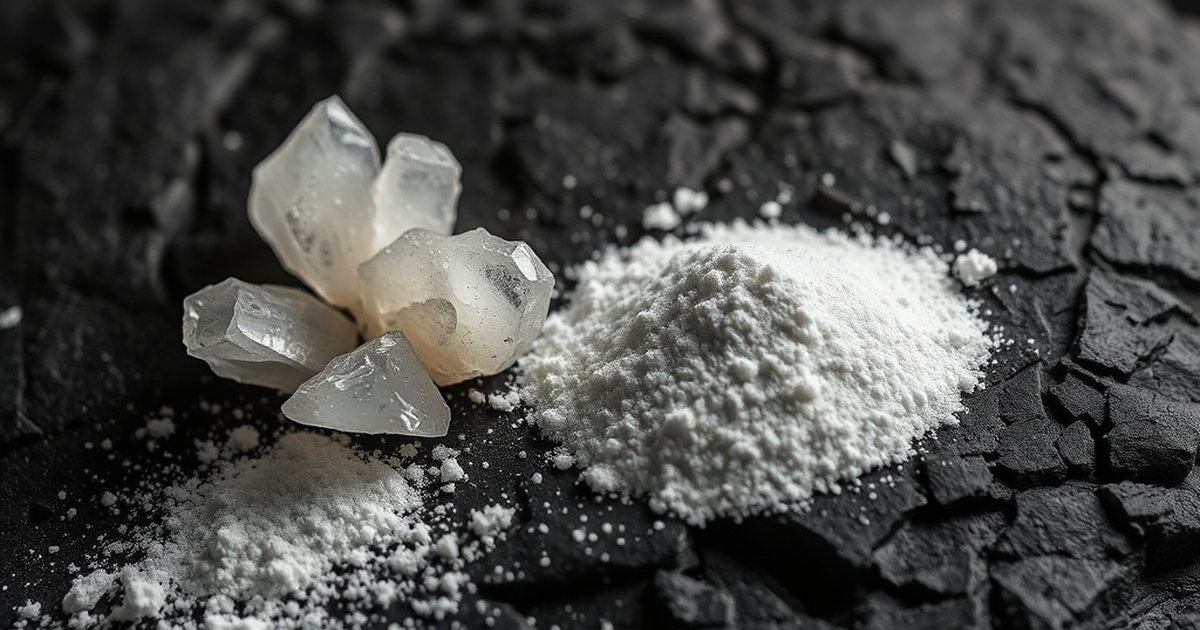
Zeolite, specifically clinoptilolite, is a naturally occurring aluminosilicate mineral with a porous, cage-like crystal structure. It is sold as a dietary supplement (powder, liquid suspension, or capsules) marketed for general gut and ‘detox’ support. It is not a drug, has not been evaluated by the FDA for any disease claim, and is not prescribed or dosed based on individual metal-level testing the way DMSA is.
How They're Proposed to Work
DMSA’s mechanism is chemical chelation: it forms direct, stable bonds with specific metal ions (notably lead, and to some degree arsenic and mercury), pulling them out of tissue compartments and into a form the kidneys can clear [2]. This mechanism has been studied enough that DMSA has an approved medical indication for lead toxicity.

Zeolite’s proposed mechanism is different: ion exchange and surface adsorption within its lattice structure [3], meaning it may bind certain cations (including some heavy metal ions and ammonium) that pass through the gastrointestinal tract, rather than pulling metals out of tissues or bloodstream [4]. This is a fundamentally more local, gut-level mechanism than DMSA’s systemic pharmacological action, and the human clinical evidence behind it is limited to small trials looking at gut and immune markers, not whole-body heavy-metal detoxification.
[5]Regulatory Status and Evidence Base
This is one of the starkest differences. DMSA went through the FDA drug approval process for a specific indication (lead poisoning), which required controlled trials demonstrating safety and efficacy for that use, and it remains subject to prescribing oversight.
Zeolite has not been evaluated by the FDA for any health claim, and it is sold under dietary supplement regulations, which do not require the same premarket efficacy testing. This does not mean zeolite is useless or unsafe by definition, but it does mean claims about it detoxifying the body of heavy metals are not backed by the kind of evidence that supports DMSA’s approved use, and any such claims should be treated as unproven.
Monitoring, Dosing, and Medical Oversight
DMSA chelation for lead toxicity is typically initiated based on documented blood lead levels, dosed by body weight, and monitored with follow-up labs [6], because chelation itself carries risks (including depleting essential minerals and, rarely, other adverse effects) that need clinical supervision [6] [7].
Zeolite supplements are generally self-dosed by consumers without lab-based monitoring of metal levels, and there is no standardized protocol tying a specific dose to a specific measured exposure. Anyone concerned about actual heavy metal exposure (from occupational, environmental, or dietary sources) should get tested and discuss options with a physician, since a supplement taken without testing cannot confirm whether it is doing anything measurable to metal burden.

Product Quality: A Zeolite-Specific Concern
Because clinoptilolite zeolite is itself a mined mineral, its purity depends heavily on the source deposit and how it’s processed. Some zeolite deposits and poorly processed products have been found to carry their own trace contamination, including lead or other heavy metals, which is an ironic risk for a product marketed around ‘detox.’ This is not typically a concern with pharmaceutical-grade DMSA, which is manufactured and regulated as a drug with defined purity standards.
For this reason, third-party Certificate of Analysis (COA) verification matters more for zeolite products than for most supplements. A buyer should look for current, batch-specific heavy metal testing from an independent lab before trusting a zeolite product’s purity claims.
Choosing Based on the Actual Question Being Asked
If the question is ‘do I have a confirmed heavy metal toxicity that needs medical treatment,’ that is a question for blood/urine testing and a physician, and DMSA (or another approved chelator) is the evidence-based, regulated option in that scenario.
If the question is ‘am I interested in a gut-support supplement with a plausible but early-stage evidence base,’ zeolite may be something to discuss with a healthcare provider, understanding that it is not a substitute for medical chelation and its detox marketing claims outrun the current clinical evidence.

🛒 Where to Buy Zeolite (Clinoptilolite)
- CleanseParasites Heavy Metal + Microplastics Binder Editor’s Pick
Contains zeolite alongside milk thistle, spirulina, and other binder herbs. - Touchstone Essentials Pure Body Extra Strength Zeolite
liquid, 1 tbsp (15 mL) — Best-known liquid nano-zeolite brand; MLM pricing but widely trusted in alt-health community - BodyBio Zeolite Powder
powder, 1/2 tsp — Practitioner-oriented brand, micronized clinoptilolite powder - Pure Zeolite Zeolite Powder (Ultimate Detox Clay)
powder, 1/4-1 tsp — Budget-friendly micronized powder - Zeo Health ZeoCharge
powder, 1/2 tsp — Long-standing niche zeolite brand, ultra-fine micronized clinoptilolite
As an Amazon Associate we earn from qualifying purchases. Quality varies widely — always choose a product with a published third-party test (COA) before buying.
A Note on the Evidence
This article is informational, not medical advice. The clinical evidence for zeolite’s effects in humans is limited to small studies on gut and immune markers, not whole-body heavy-metal detoxification, and the FDA has not evaluated it for any health claim; anyone with a specific heavy metal exposure concern should get tested and consult a physician rather than relying on a supplement alone.
Frequently Asked Questions
Can zeolite replace DMSA chelation therapy?
No. They work through different mechanisms and have very different evidence and regulatory status. DMSA is an approved medical treatment for confirmed lead toxicity; zeolite is an unregulated supplement without equivalent clinical evidence for whole-body metal detoxification.
Is zeolite FDA-approved for detox?
No. The FDA has not evaluated zeolite for any health claim, including detoxification. It is sold as a dietary supplement, which has a different regulatory pathway than approved drugs like DMSA.

Does zeolite remove heavy metals from the bloodstream like DMSA does?
The proposed mechanism for zeolite is ion exchange and adsorption largely within the gastrointestinal tract, not the systemic chelation of metals from tissues or blood that DMSA is designed to do. Human clinical evidence for zeolite is limited to small trials on gut and immune markers.
Is DMSA safer than zeolite, or vice versa?
They carry different risk profiles. DMSA is a regulated drug typically used under medical supervision with monitoring, while zeolite supplements vary in quality by source and processing, and contamination risk depends on the specific product’s testing and sourcing.
Should I get tested before trying either one?
If you have a specific concern about heavy metal exposure, testing and a conversation with a physician is the appropriate first step for either option, since self-dosing a supplement without lab confirmation cannot tell you whether it’s addressing an actual metal burden.
Why does zeolite product quality matter so much?
Because it’s a mined mineral, contamination with lead or other heavy metals can vary significantly by source and processing method, so a product marketed for detox could itself carry heavy metal contamination without independent testing to confirm purity.
References
- Bradberry S, Vale A. Dimercaptosuccinic acid (succimer; DMSA) in inorganic lead poisoning. Clinical toxicology (Philadelphia, Pa.) (2009). PMID 19663612
- van Eijkeren JCH et al.. Modeling the effect of succimer (DMSA; dimercaptosuccinic acid) chelation therapy in patients poisoned by lead. Clinical toxicology (Philadelphia, Pa.) (2017). PMID 27919185
- Duran-Avendano Y et al.. Further Insight in the High Selectivity of Pb2+ Removal over Cd2+ in Natural and Dealuminated Rich-Clinoptilolite. International journal of molecular sciences (2025). PMID 40362393
- Samekova K et al.. Concomitant oral intake of purified clinoptilolite tuff (G-PUR) reduces enteral lead uptake in healthy humans. Scientific reports (2021). PMID 34285282
- Anderle K et al.. Safety and efficacy of purified clinoptilolite-tuff treatment in patients with irritable bowel syndrome with diarrhea: Randomized controlled trial. World journal of gastroenterology (2022). PMID 36569277
- Mayans L. Lead Poisoning in Children. American family physician (2019). PMID 31259498
- Peterson KE et al.. Effect of succimer on growth of preschool children with moderate blood lead levels. Environmental health perspectives (2004). PMID 14754579
These statements have not been evaluated by the Food and Drug Administration. This information is not intended to diagnose, treat, cure, or prevent any disease. Content is for informational purposes only and is not medical advice; consult a qualified healthcare provider before starting any supplement. As an Amazon Associate we earn from qualifying purchases.