Clinoptilolite, the type of zeolite sold in gut-support and ‘detox’ supplements, is a naturally occurring aluminosilicate with a porous, cage-like crystal structure. That structure gives it a genuine and well-documented property: it binds positively charged ions (cations) through ion exchange, trapping them in its internal pores rather than letting them pass through freely. This is the same basic mechanism that makes natural zeolites useful in industrial and environmental applications, including immobilizing certain metal and radionuclide ions in waste treatment settings [1].
But that same mechanism is also the source of a real concern for supplement buyers: zeolite is dug out of the ground, not synthesized in a controlled lab, and the raw ore can itself contain trace heavy metals, including lead, depending on the deposit it was mined from and how it was processed afterward. This article looks at where that risk actually comes from, what it does and doesn’t mean for a bottle sitting on your shelf, and what to look for before you buy.
Key Takeaways
- Zeolite’s ion-exchange structure, the same feature marketed as its main benefit, means it can also carry trace heavy metals from its original mined source.
- Contamination risk depends heavily on where the ore was mined and how carefully it was processed, not simply on brand price.
- The FDA does not evaluate zeolite supplements or require heavy metal testing before sale, so verification is left to the buyer.
- A current, batch-specific third-party COA testing for lead, arsenic, cadmium, and mercury is the most concrete evidence you can request.
- Human clinical research on zeolite exists but is limited to small studies on gut and immune markers, not whole-body detoxification.
Why Zeolite Can Bind, and Carry, Heavy Metals
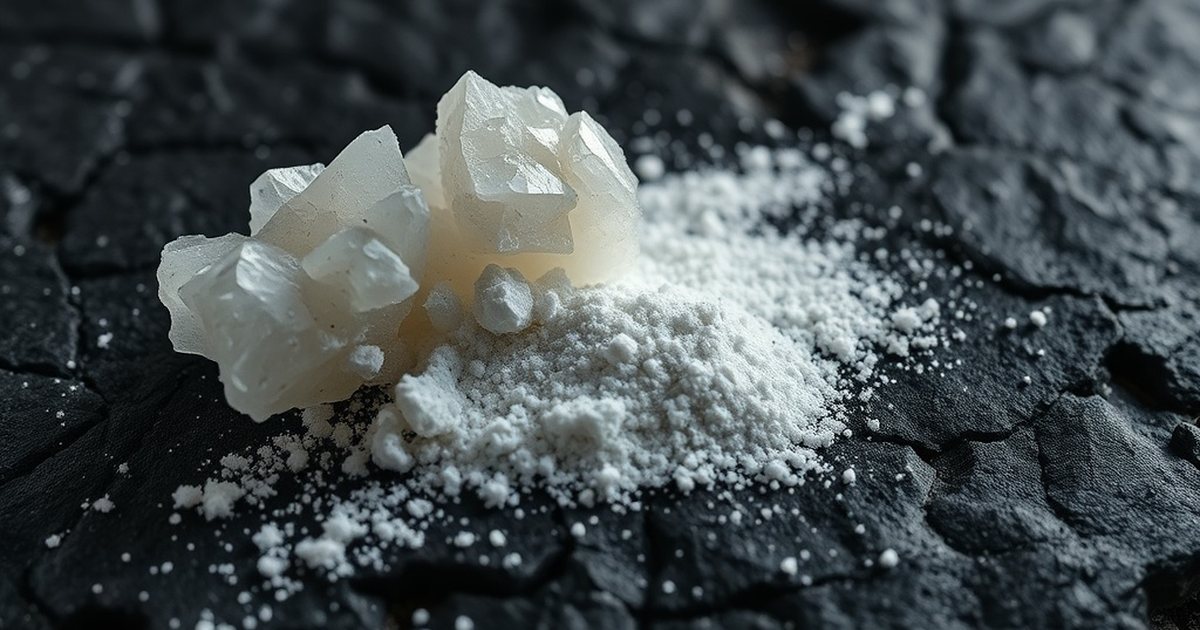
Zeolite’s defining feature is a cage-like lattice of aluminum, silicon, and oxygen with open channels running through it. Loosely bound cations, such as sodium, calcium, or potassium, sit inside those channels and can be displaced by other cations that have a stronger affinity for the lattice sites. This is ion exchange, and it’s the basis for using natural zeolite in things like water treatment and, in research settings, immobilizing cesium and barium in waste streams [1].
The property that makes zeolite useful for capturing unwanted ions is a double-edged sword for a mined mineral destined for human consumption. If the deposit a company sources from sits near naturally occurring heavy metal ore, or if the rock has been exposed to contamination during mining, crushing, or micronizing, some of that lead can end up bound into the same lattice structure the finished powder relies on for its marketed ‘binding’ effect. The mineral doesn’t distinguish between metals it’s supposed to release later and metals that were already there when it was mined.

Why Contamination Risk Varies So Much by Brand
Not all zeolite deposits are equal. Geology differs by region and even by specific quarry, so the baseline trace-metal profile of raw ore can vary meaningfully from one mine to the next. A brand’s contamination risk starts with where its clinoptilolite is actually sourced, information that many labels don’t disclose in any detail.
Processing matters just as much as sourcing. Milling, micronizing, and packaging equipment can introduce additional contamination if not properly maintained or if shared across product lines. A cheaper product isn’t automatically more contaminated, but cost-cutting on sourcing verification, batch testing, and equipment maintenance is where corners tend to get cut, and there is no regulatory requirement forcing a supplement company to test for or disclose lead levels before selling a zeolite product.
What the FDA Does and Doesn't Require Here
The FDA has not evaluated zeolite for any health claim, and it does not pre-approve dietary supplements before they reach the market the way it does drugs. Under the current regulatory framework, the burden falls on manufacturers to ensure their products are safe and accurately labeled, and the FDA generally acts after a problem is identified, not before. There is no standing requirement that a zeolite supplement be tested for heavy metals before sale, and there is no official upper limit specific to zeolite the way there might be for, say, lead in candy or paint.
That regulatory gap is exactly why third-party verification becomes the buyer’s responsibility rather than something you can assume was already handled. Absence of an FDA warning about a specific brand is not the same as that brand having been tested and cleared.
What a Certificate of Analysis Should Actually Show
A Certificate of Analysis (COA) from an independent, accredited third-party lab is the closest thing to real evidence a buyer can check before purchasing. A useful COA for a zeolite product should specifically test for heavy metals, lead, arsenic, cadmium, and mercury are the standard panel, report results in specific units (typically parts per million or micrograms per serving), and be dated close to the batch or lot number you’re actually buying, not a generic one-time test from years earlier.

Be cautious of vague claims like ‘third-party tested’ or ‘lab verified’ with no document attached, or a COA that only discusses particle size and pH without heavy metal numbers at all. If a company won’t provide a current, batch-specific heavy metal COA on request, that alone is meaningful information about how seriously they’re managing contamination risk.
What the Research Does and Doesn't Tell Us About Zeolite in the Body
It’s worth being precise about what’s actually been studied. Research on natural zeolite’s ion-binding capacity, including its ability to sequester specific cations like cesium and barium, comes largely from environmental and materials science, such as work on immobilizing radionuclides in industrial waste solutions [1]. That is a demonstration of the mineral’s chemical binding behavior in a controlled, non-biological system, not a clinical study of what happens when a person swallows a zeolite supplement.
Human clinical evidence on orally ingested zeolite is limited to small trials looking at gut and immune markers. There is no body of clinical research supporting whole-body heavy-metal detoxification claims in humans, and this article is not asserting that zeolite supplements remove lead or other metals from your body. The contamination question addressed here is a separate, narrower one: what might already be in the product itself before you take it.
🛒 Where to Buy Zeolite (Clinoptilolite)

- CleanseParasites Heavy Metal + Microplastics Binder Editor’s Pick
Contains zeolite alongside milk thistle, spirulina, and other binder herbs. - Touchstone Essentials Pure Body Extra Strength ZeoliteLab-tested / studied
liquid, 1 tbsp (15 mL) — Best-known liquid nano-zeolite brand; MLM pricing but widely trusted in alt-health community, publishes third-party lab testing - BodyBio Zeolite Powder
powder, 1/2 tsp — Practitioner-oriented brand, micronized clinoptilolite powder with published COA - Pure Zeolite Zeolite Powder (Ultimate Detox Clay)
powder, 1/4-1 tsp — Budget-friendly micronized powder, third-party heavy metal tested - Zeo Health ZeoCharge
powder, 1/2 tsp — Long-standing niche zeolite brand, ultra-fine micronized clinoptilolite
As an Amazon Associate we earn from qualifying purchases. Quality varies widely — always choose a product with a published third-party test (COA) before buying.
A Note on the Evidence
This article is informational, not medical advice; clinical evidence on zeolite in humans is limited to small trials on gut and immune markers, not detoxification claims. Anyone with kidney impairment, who is pregnant or breastfeeding, or who is already managing a known heavy metal exposure should talk to a doctor before using any zeolite product.
Frequently Asked Questions
Does the FDA test zeolite supplements for lead before they're sold?
No. The FDA does not pre-approve dietary supplements or require heavy metal testing before a zeolite product reaches the market. Manufacturers are responsible for safety, and enforcement is typically reactive rather than preventive.
Is all zeolite contaminated with lead?
No. Contamination varies by the specific mine the ore came from and how it was processed afterward, so it isn’t accurate to say all zeolite carries meaningful lead levels. It’s also not accurate to assume any given product is clean without documentation.
How does zeolite's binding property relate to contamination risk?
Zeolite’s cage-like lattice binds cations through ion exchange, a property studied in contexts like immobilizing radionuclides in waste materials [1]. That same binding capacity means the raw mineral can hold onto trace metals, including lead, present in the source rock before it’s ever processed into a supplement.

What should I ask a zeolite brand for before buying?
Ask for a current Certificate of Analysis specific to the batch or lot number you’re purchasing, showing tested levels for lead, arsenic, cadmium, and mercury from an independent accredited lab. Generic marketing language about being ‘lab tested’ without an actual document is not sufficient.
Does zeolite remove lead or other heavy metals from the body?
Human clinical evidence on this is limited to small trials examining gut and immune markers, not whole-body heavy-metal detoxification. There isn’t a clinical research base supporting that use, and this should not be assumed from the product’s ion-binding chemistry alone.
Is a cheaper zeolite product automatically riskier?
Not automatically, but price-cutting often correlates with skipping batch testing, equipment maintenance, and sourcing verification, which are exactly the steps that reduce contamination risk. Price is a weak proxy; the COA is the real signal.
References
- Iklaga G et al. Optimized cementitious immobilization of simulated cesium and barium radionuclides in borate waste solution by natural zeolite additives. Environmental science and pollution research international (2026). PMID 41609995
These statements have not been evaluated by the Food and Drug Administration. This information is not intended to diagnose, treat, cure, or prevent any disease. Content is for informational purposes only and is not medical advice; consult a qualified healthcare provider before starting any supplement. As an Amazon Associate we earn from qualifying purchases.