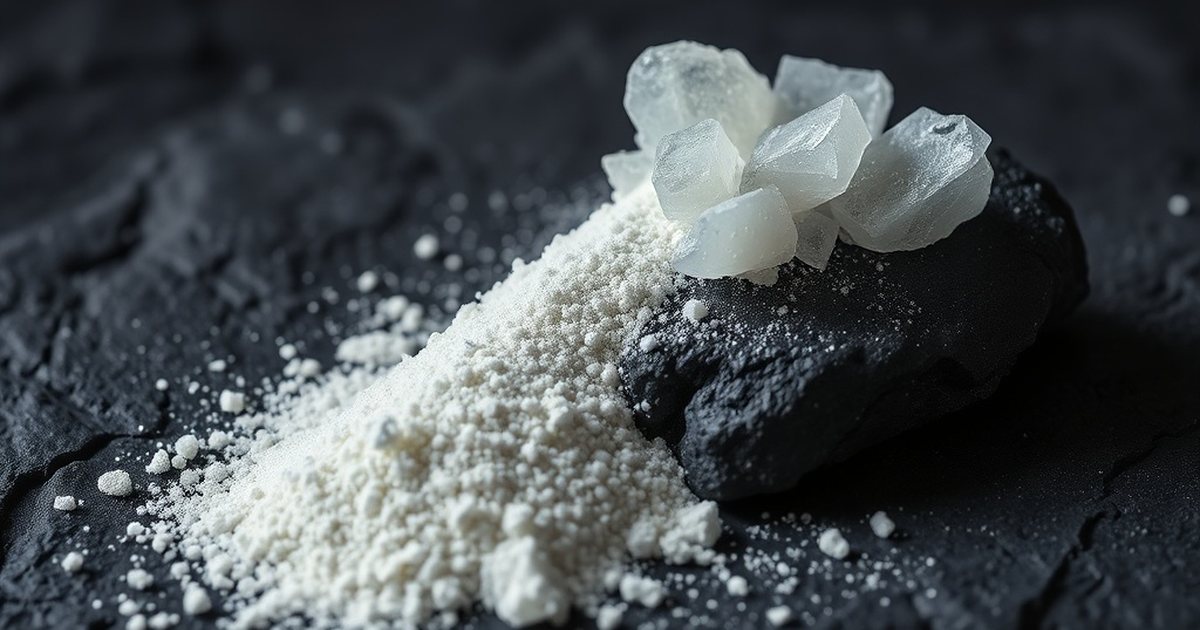
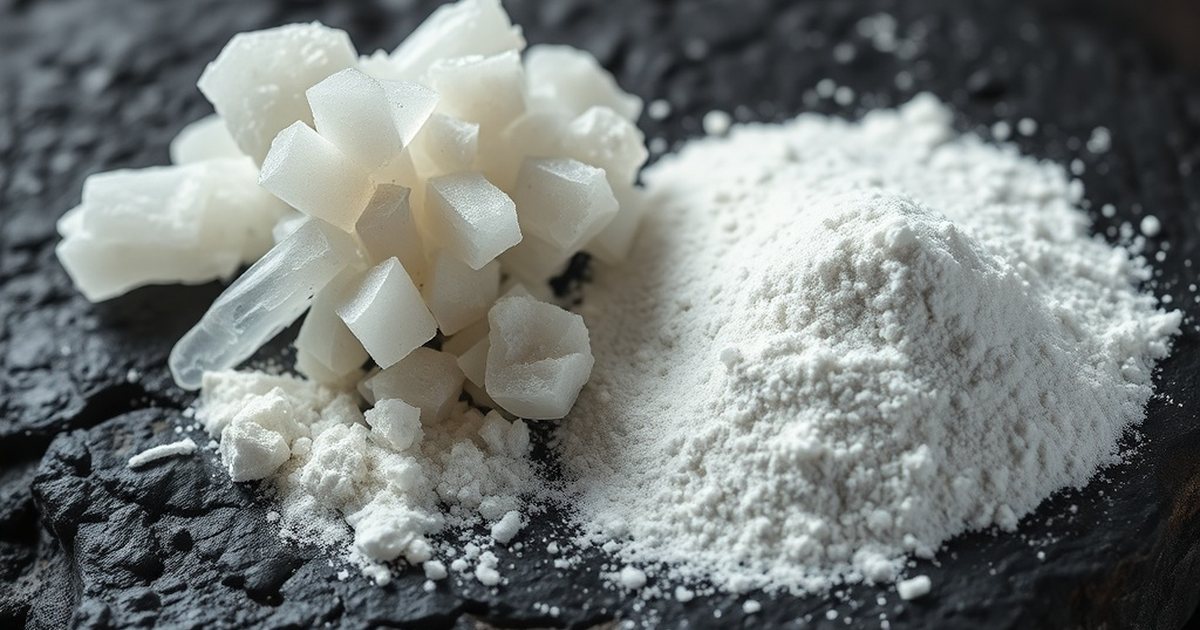
Zeolite supplements, most often the mineral clinoptilolite, are frequently marketed for ‘detox’ and organ support, including claims about liver function. Before looking at any evidence, it’s worth being clear about what zeolite actually is: a naturally occurring, cage-structured aluminosilicate mineral that binds certain cations through ion exchange and adsorption, primarily studied in the gut.
Human clinical research on zeolite and liver function markers is essentially absent. What exists is a small body of animal research, mostly in livestock, looking at how dietary clinoptilolite affects liver-related outcomes like toxin residues, enzyme activity, and inflammatory markers. This article walks through that evidence honestly, including its real limits, so you understand what’s actually known versus what’s marketing.
Key Takeaways
- Zeolite’s proposed detox mechanism is gut-based ion exchange, not a direct liver action, so any liver benefit would be indirect at best.
- The only clinoptilolite-liver evidence available comes from poultry and livestock feed studies, not human trials [1][2].
- These animal studies measured hepatic residues, enzyme activity, and cytokines, not standard human liver function tests like ALT or AST.
- Mined mineral sourcing means heavy metal contamination risk varies, making third-party COA testing important regardless of liver claims.
- There is no FDA-evaluated or human-trial-supported claim that zeolite improves liver function markers.
Why Zeolite Gets Linked to Liver Health
The liver is the body’s primary detoxification organ, so any supplement marketed around ‘detox’ or ‘toxin binding’ tends to get associated with liver support, whether or not that connection has been directly tested. Zeolite’s proposed mechanism is ion exchange and adsorption in the gastrointestinal tract, not a direct action on liver tissue itself.
The theoretical link to the liver is indirect: if zeolite binds certain toxins in the gut before they’re absorbed, the liver may have less of a burden to metabolize. This is a plausible hypothesis, but it is not the same as evidence that zeolite improves liver enzyme levels, bilirubin, or any other clinical liver marker in humans.
What the Animal Evidence on Clinoptilolite and Liver Outcomes Shows
The most directly relevant evidence comes from poultry and livestock feed studies, not human trials. In one study, laying hens fed diets contaminated with aflatoxin B1 (a liver-toxic mold byproduct) alongside clinoptilolite showed changes in mycotoxin residues in liver tissue and in hepatic mixed-function oxygenase activity compared to hens fed aflatoxin without the zeolite [1]. This suggests clinoptilolite can influence how a specific hepatotoxin is processed and deposited in the liver, in this particular animal model.

A separate study in chickens found that feed supplementation with Transcarpathian zeolite (clinoptilolite) changed concentrations of acute phase proteins and cytokines in both serum and hepatic tissue [2]. Acute phase proteins and cytokines are markers of inflammation and immune activity, and the hepatic tissue findings indicate the liver was one site where these changes were measurable.
A third study, in steers fed fibre-based diets exposed to high-sulphur water, examined hepatic gene expression changes [3]. This study did not test zeolite directly, but it’s relevant background because it illustrates how mineral and water-quality exposures can shift liver gene expression in ruminants, the kind of endpoint that any zeolite-liver hypothesis would need to be tested against directly, and hasn’t been in this specific combination.
What This Evidence Does Not Show
None of these three studies were conducted in humans. They were conducted in laying hens, broiler chickens, and steers, animals with different digestive physiology, different feed exposures, and different liver biology than humans. Extrapolating livestock feed-safety findings to a human dietary supplement claim is not a scientifically supported leap.
None of these studies measured the liver function markers a doctor actually orders, such as ALT, AST, GGT, alkaline phosphatase, or bilirubin, in a human blood panel. Hepatic mixed-function oxygenase activity, mycotoxin liver residues, and cytokine concentrations are legitimate research endpoints in animal toxicology, but they are not interchangeable with ‘improves your liver function markers.’ There is currently no published human clinical trial testing whether oral zeolite supplementation changes standard liver enzyme panels.

Purity and Contamination: A Bigger Liver-Relevant Concern Than Detox Claims
Because clinoptilolite is a mined mineral, its purity depends heavily on the source deposit and processing method. Zeolite products can carry contamination with heavy metals, including lead, arsenic, or other elements naturally co-occurring in the mined rock. This is arguably the most liver-relevant safety issue with zeolite supplements: not whether it helps liver function, but whether a poorly sourced product could introduce a genuine hepatotoxic burden.
This is why third-party Certificate of Analysis (COA) verification matters more for zeolite than for many other supplement categories. A COA confirming heavy metal testing (lead, arsenic, cadmium, mercury) against a pharmacopeial or supplement-grade limit is a reasonable baseline expectation before using any zeolite product, regardless of what liver-related claims are made on the label.
Practical Takeaway for Anyone Considering Zeolite for Liver Support
If the goal is supporting measurable liver function, the current human evidence base for zeolite simply doesn’t exist to justify that specific claim. The available research is limited to animal feed studies looking at toxin residues, enzyme activity in the context of aflatoxin exposure, and inflammatory markers, useful for understanding mechanism and animal agriculture applications, but not a substitute for human liver panel data.
Anyone with an existing liver condition, elevated liver enzymes, or who is taking medications metabolized by the liver should talk to their doctor before adding any zeolite product, and should not substitute it for standard monitoring or treatment of a liver issue.
🛒 Where to Buy Zeolite (Clinoptilolite)

- CleanseParasites Heavy Metal + Microplastics Binder Editor’s Pick
Contains zeolite alongside milk thistle, spirulina, and other binder herbs. - Touchstone Essentials Pure Body Extra Strength ZeoliteLab-tested / studied
liquid, 1 tbsp (15 mL) — Best-known liquid nano-zeolite brand; MLM pricing but widely trusted in alt-health community, publishes third-party lab testing - BodyBio Zeolite Powder
powder, 1/2 tsp — Practitioner-oriented brand, micronized clinoptilolite powder with published COA - Pure Zeolite Zeolite Powder (Ultimate Detox Clay)
powder, 1/4-1 tsp — Budget-friendly micronized powder, third-party heavy metal tested - Zeo Health ZeoCharge
powder, 1/2 tsp — Long-standing niche zeolite brand, ultra-fine micronized clinoptilolite
As an Amazon Associate we earn from qualifying purchases. Quality varies widely — always choose a product with a published third-party test (COA) before buying.
A Note on the Evidence
This article is informational, not medical advice; the FDA has not evaluated zeolite for any health claim, and the cited evidence is limited to animal feed studies rather than human liver function trials. Anyone with liver disease, abnormal liver enzymes, or who takes liver-metabolized medications should consult a physician before using zeolite, and should verify third-party heavy metal testing given the variability of mined mineral sourcing.
Frequently Asked Questions
Does zeolite detox the liver?
There is no human clinical evidence that zeolite detoxifies the liver or improves liver function markers. The animal research available looked at toxin residues and enzyme activity in poultry liver tissue, not a human detox effect [1].
Can zeolite lower liver enzymes like ALT or AST?
No published study, human or animal, has directly measured whether zeolite changes ALT, AST, or other standard liver enzyme panels. This is an evidence gap, not a confirmed benefit.

Is zeolite safe for the liver?
Safety depends heavily on product purity, since zeolite is a mined mineral that can carry heavy metal contamination varying by source and processing. Anyone with liver concerns should choose a third-party tested product and consult a doctor first.
What did the aflatoxin and clinoptilolite study actually find?
In laying hens, adding clinoptilolite to aflatoxin-contaminated feed changed mycotoxin residues detected in liver tissue and hepatic mixed-function oxygenase activity, compared to aflatoxin exposure alone [1]. This is an animal feed-safety finding, not a human liver-health finding.
Does zeolite affect liver inflammation?
A chicken feeding study found that clinoptilolite supplementation changed concentrations of acute phase proteins and cytokines in serum and hepatic tissue, markers associated with inflammation [2]. Whether this translates to any effect in the human liver has not been tested.
Should I use zeolite instead of seeing a doctor about liver symptoms?
No. Zeolite is not a treatment for liver disease and has no clinical trial evidence supporting liver function claims in humans. Any liver-related symptoms, or abnormal liver blood tests, should be evaluated by a doctor.
References
- Rizzi L et al. Aflatoxin B1 and clinoptilolite in feed for laying hens: effects on egg quality, mycotoxin residues in livers, and hepatic mixed-function oxygenase activities. Journal of food protection (2003). PMID 12747697
- Grądzki Z et al. The effect of feed supplementation with Transcarpathian zeolite (clinoptilolite) on the concentrations of acute phase proteins and cytokines in the serum and hepatic tissue of chickens. Poultry science (2020). PMID 32359577
- Kessler KL et al. Effects of high-sulphur water on hepatic gene expression of steers fed fibre-based diets. Journal of animal physiology and animal nutrition (2013). PMID 22853431
These statements have not been evaluated by the Food and Drug Administration. This information is not intended to diagnose, treat, cure, or prevent any disease. Content is for informational purposes only and is not medical advice; consult a qualified healthcare provider before starting any supplement. As an Amazon Associate we earn from qualifying purchases.