After Chernobyl and again after Fukushima, radioactive cesium (Cs-137) contamination in soil, water, and food became a serious environmental and agricultural problem, and natural zeolites, including clinoptilolite, were studied as a way to pull cesium out of contaminated liquids and reduce its transfer into livestock. That history is part of why zeolite supplements are sometimes marketed with references to nuclear disasters, implying the mineral can protect a person from radiation or ‘detox’ cesium from the body.
The actual research is narrower and more technical than that marketing suggests. Most of it involves zeolite as an industrial sorbent, treating radioactive liquid waste, seawater, or contaminated groundwater, or as a feed additive to reduce cesium uptake in broiler chickens. This article walks through what these studies did find, why the chemistry makes sense, and why it does not translate into a claim that oral zeolite supplements detoxify radiation from a human body.
Key Takeaways
- Zeolite’s cesium-binding ability is well-documented in nuclear waste treatment, seawater decontamination, and groundwater remediation research [1] [2] [3] [4]
- Much of this research uses zeolite chemically modified with surfactants, hexacyanoferrate or a calixarene compound to improve cesium removal, not plain unmodified powder [5] [1]
- The living-organism research is all livestock and rodents, Chernobyl-era feeding work in sheep, cattle and rats; the study cited here fed modified clinoptilolite to broiler chickens and found reduced radiocesium transfer into their meat, which is not a human detox effect [6]
- No human clinical trial has tested oral zeolite for internal radiation exposure; Prussian blue is the medically established treatment for that
- Because zeolite is a mined mineral, source and processing vary, so third-party heavy metal testing (COA) matters more here than for most supplements
Why Zeolite Binds Cesium in the First Place
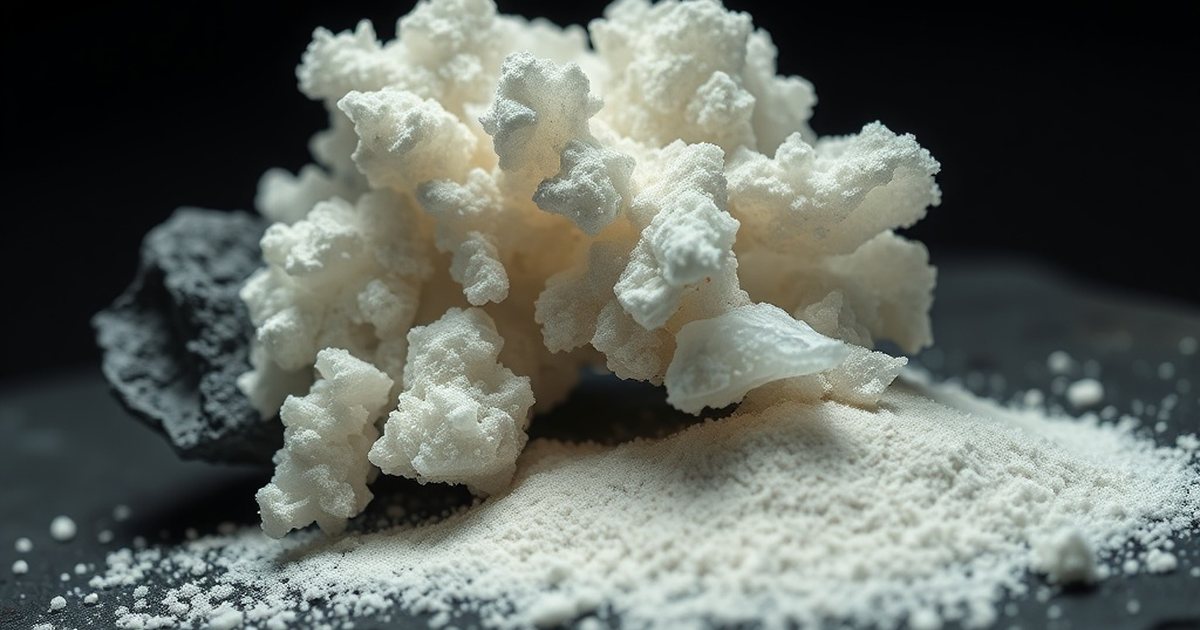
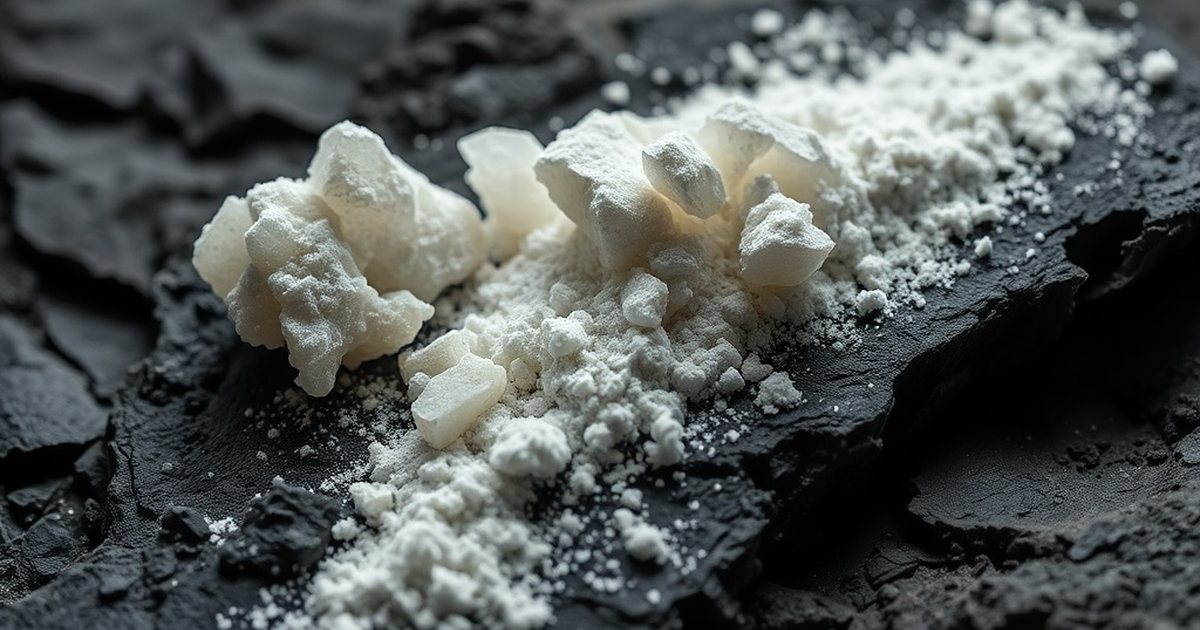
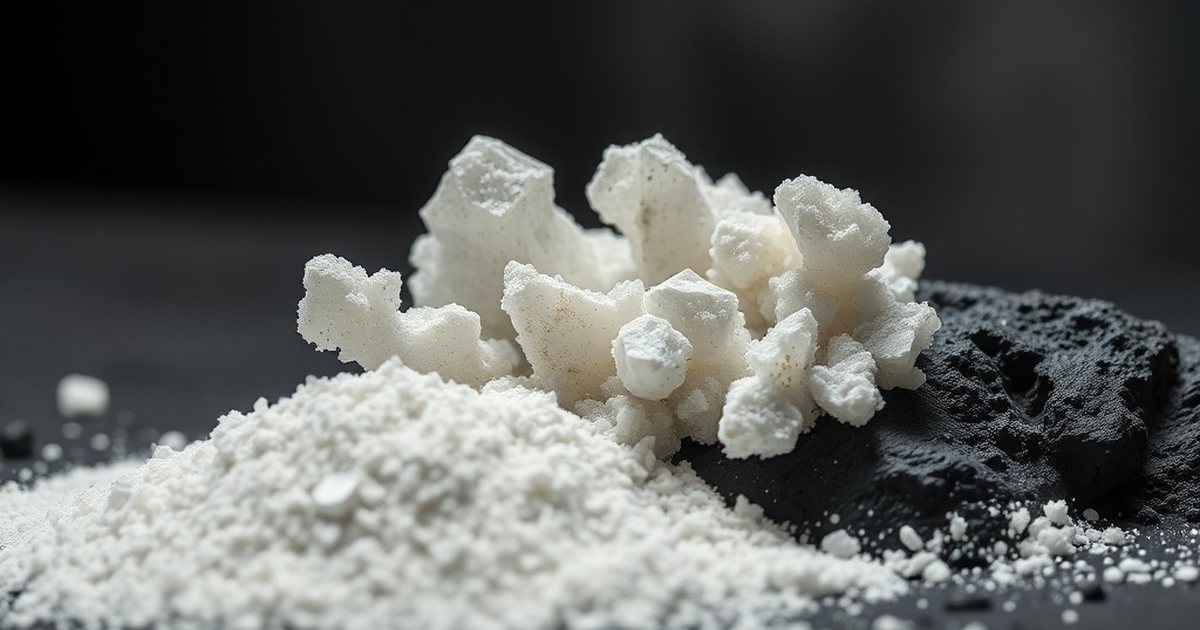
Clinoptilolite and related natural zeolites have a porous, cage-like aluminosilicate lattice with a permanent negative charge, which is balanced by loosely held cations like sodium, potassium, and calcium sitting in the pore channels. Cesium ions are similar in size and charge to potassium, so they can exchange places with those resident cations and become trapped inside the zeolite framework. This ion-exchange mechanism is the same basic process used in water softeners, just tuned to a different target ion.
Researchers have also tried to improve on natural zeolite’s cesium affinity. One study modified clinoptilolite with cationic surfactants and found this improved the mineral’s performance in a flotation process used to concentrate and separate cesium from other material [5]. Impregnating zeolite with a selective compound has also been used to boost cesium uptake; in one study, loading a calixarene crown compound onto synthetic mordenite raised the cesium distribution coefficient from 0.52 to 27.63 L/g [1].

Treating Radioactive Liquid Waste: The Core Evidence
The strongest and most direct evidence for zeolite-cesium binding comes from nuclear waste management research, not human studies. Natural zeolite has been tested as a low-cost sorbent for treating low-level radioactive liquid waste, with researchers reporting efficient cesium removal using both natural and chemically impregnated zeolite minerals [1]. A separate study out of Turkey similarly evaluated natural zeolite for treating radioactive liquid waste streams via sorption, again finding it a viable, low-cost option for reducing cesium content in contaminated water [2].
This kind of work matters for nuclear plant operators and waste facilities that need affordable materials to filter contaminated water before storage or discharge. It is a real, well-documented use of zeolite. But it describes cesium moving from a flowing liquid, at a controlled contact time and concentration, into a mineral filter bed, which is a completely different physical situation than cesium that has already been absorbed into human tissue.
Environmental Decontamination: Seawater and Groundwater
Beyond waste treatment tanks, zeolite and other inorganic sorbents have been studied for decontaminating larger environmental water sources. One study tested inorganic sorbents, including zeolite-type materials, for removing cesium-137 and strontium-90 from seawater, relevant to scenarios like the Fukushima accident, where contaminated cooling water reached the ocean [3]. Another looked at a broader set of low-cost sorbents for removing technetium-99, iodine-129, and cesium-137 from contaminated groundwater and sediments [4].
These studies are useful for understanding remediation strategy at a contaminated site, sizing filtration systems, choosing sorbent blends, estimating how much radionuclide a given material can capture per unit volume of water treated. They say nothing about whether swallowing zeolite powder changes cesium levels already circulating in a person’s blood or tissues, which is a pharmacokinetic question these environmental studies were not designed to answer.

The One Study Closest to a Living System: Chickens, Not People
Only one of the studies behind this page involved a living organism, and it is about broiler chickens, not humans. Researchers fed clinoptilolite modified with hexacyanoferrate to chickens and found it reduced the transfer of radiocesium into the birds’ meat, a practical finding for post-accident agricultural management in areas with radioactive fallout on pasture or feed [6].
This study is genuinely relevant background, it shows that in an animal gut, a modified zeolite could interfere with dietary cesium being absorbed into tissue, which is a real, biologically plausible mechanism (similar in spirit to how Prussian blue is used clinically in humans exposed to cesium-137 or thallium). But one poultry feeding study, using a chemically modified (not plain) zeolite, does not establish a dose, a safety profile, or an effect size for unmodified clinoptilolite supplements in humans. It is suggestive, not proof of a human detox effect.
Why 'Zeolite Removed Cesium From Water' Doesn't Mean 'Zeolite Detoxes Radiation From You'
There’s a meaningful gap between an industrial sorption process and human physiology. In the waste-treatment and seawater studies, zeolite sits in prolonged, high-surface-area contact with a liquid that has nowhere else for the cesium to go, and the zeolite itself is often chemically modified (surfactant-treated or hexacyanoferrate-impregnated) specifically to improve cesium selectivity, not left as plain micronized powder [5] [1]. A capsule or liquid suspension passing through the human gut is a different environment entirely: transit time is limited, the gut is full of competing cations from food and digestive secretions, and any cesium the zeolite might bind is only the cesium present in the gut lumen at that moment, not cesium already absorbed into blood, muscle, or bone.
In practice, if a person has measurable internal cesium-137 contamination (a real medical scenario following an actual radiation exposure event), the established, evidence-backed treatment is Prussian blue (ferric hexacyanoferrate) given as an oral medication under medical supervision, precisely because it’s designed and clinically tested for that purpose in humans. None of the studies behind this page are human clinical trials of oral zeolite for internal radiation exposure, and no such trial appears in the published literature.

The Contamination Question Cuts Both Ways
Because clinoptilolite is a mined mineral, its own trace element content depends heavily on the deposit it came from and how it was processed. Zeolite marketed for gut or detox use should come with third-party Certificate of Analysis (COA) testing for heavy metals like lead, arsenic, and cadmium, precisely because the same ion-exchange capacity that lets it bind cesium in a waste tank means it can also carry along whatever metals were present in its source rock. This matters more for zeolite than for most supplements, and a product without an available COA is a real quality gap, not a minor detail.
🛒 Where to Buy Zeolite (Clinoptilolite)
- CleanseParasites Heavy Metal + Microplastics Binder Editor’s Pick
Contains zeolite alongside milk thistle, spirulina, and other binder herbs. - Touchstone Essentials Pure Body Extra Strength Zeolite
liquid, 1 tbsp (15 mL) — Best-known liquid nano-zeolite brand; MLM pricing but widely trusted in alt-health community - BodyBio Zeolite Powder
powder, 1/2 tsp — Practitioner-oriented brand, micronized clinoptilolite powder - Pure Zeolite Zeolite Powder (Ultimate Detox Clay)
powder, 1/4-1 tsp — Budget-friendly micronized powder - Zeo Health ZeoCharge
powder, 1/2 tsp — Long-standing niche zeolite brand, ultra-fine micronized clinoptilolite
As an Amazon Associate we earn from qualifying purchases. Quality varies widely — always choose a product with a published third-party test (COA) before buying.

A Note on the Evidence
This article summarizes environmental and agricultural sorption research, not human clinical trials, and none of it establishes that oral zeolite supplements detoxify radiation or cesium from the human body. The FDA has not evaluated zeolite for any health claim; anyone with an actual radiation exposure concern should seek medical care, and this content is informational only, not medical advice.
Frequently Asked Questions
Does zeolite remove radiation from the body?
There is no human clinical evidence that oral zeolite removes cesium or other radionuclides from the body. The available studies are about treating contaminated liquids like nuclear waste, seawater, and groundwater [1] [3], plus one chicken feeding study [6], none test internal human decontamination.
Why is zeolite associated with Chernobyl and Fukushima?
Zeolite was genuinely used and studied in the aftermath of both disasters, mainly to treat contaminated water and reduce cesium uptake in livestock feed [1] [6]. That real history gets stretched by some marketers into unsupported claims about personal radiation detox.
Is modified zeolite more effective at binding cesium than plain zeolite?
The research suggests yes for industrial applications. Zeolite treated with cationic surfactants or impregnated with hexacyanoferrate showed improved cesium selectivity and removal compared to untreated natural zeolite [5] [1] [6]. Most zeolite supplements are plain micronized clinoptilolite, not these modified forms.

What's actually used to treat cesium exposure in people?
Prussian blue (ferric hexacyanoferrate) is the medically established oral treatment for internal cesium-137 contamination in humans, administered under medical supervision. This is a different, clinically tested compound and use case from the natural or surfactant-modified zeolite studied in the waste-treatment literature here [6].
Should I worry about contamination in zeolite supplements?
It’s a legitimate concern worth checking on. Because clinoptilolite is a mined mineral with the same ion-exchange properties that make it useful for binding cesium in industrial settings, its trace metal content depends on the source deposit, so look for a third-party Certificate of Analysis testing for lead and other heavy metals before buying.
Can I take zeolite as a precaution against radiation exposure?
This isn’t something the evidence supports. The cesium-binding research here describes industrial and agricultural applications, not a validated preventive or protective use for otherwise healthy people. Anyone with a genuine radiation exposure concern should be evaluated and treated by a medical professional, not self-manage with a supplement.
References
- Borai EH et al. Efficient removal of cesium from low-level radioactive liquid waste using natural and impregnated zeolite minerals. Journal of hazardous materials (2009). PMID 19656622
- Osmanlioglu AE et al. Treatment of radioactive liquid waste by sorption on natural zeolite in Turkey. Journal of hazardous materials (2006). PMID 16563616
- Voronina AV et al. Decontamination of seawater from (137)Cs and (90)Sr radionuclides using inorganic sorbents. Journal of environmental radioactivity (2020). PMID 32217243
- Li D et al. Aqueous (99)Tc, (129)I and (137)Cs removal from contaminated groundwater and sediments using highly effective low-cost sorbents. Journal of environmental radioactivity (2014). PMID 24905141
- Prajitno MY et al. The effect of cationic surfactants on improving natural clinoptilolite for the flotation of cesium. Journal of hazardous materials (2021). PMID 32755798
- Pöschl M et al. Reduction of radiocaesium transfer to broiler chicken meat by a clinoptilolite modified with hexacyanoferrate. Radiation and environmental biophysics (1999). PMID 10461758
These statements have not been evaluated by the Food and Drug Administration. This information is not intended to diagnose, treat, cure, or prevent any disease. Content is for informational purposes only and is not medical advice; consult a qualified healthcare provider before starting any supplement. As an Amazon Associate we earn from qualifying purchases.