Zeolite supplements are often marketed with sweeping immune-support claims, but the actual human research on this topic is thin. Clinoptilolite, a naturally occurring aluminosilicate mineral, has been studied in a tribomechanically activated (finely micronized) form for its effects on immune parameters in people with health challenges, and one published trial forms the core of the human evidence base.
This article walks through that trial honestly: what it measured, who it studied, what changed, and what remains unknown. It is not a substitute for medical advice, and it should not be read as proof that zeolite treats or cures any immune condition.
Key Takeaways
- The human evidence for zeolite and immune function rests on one published trial in people with immunodeficiency, not a broad body of replicated research [1]
- The FDA has not evaluated zeolite for any health claim, and no large-scale human trials confirm whole-body detoxification claims
- The proposed mechanism involves gut-level ion exchange and adsorption, not a documented systemic immune-boosting pathway
- Because zeolite is a mined mineral, contamination risk varies by source, making third-party COA verification especially important
- This is informational content, not medical advice; talk to a healthcare provider before using zeolite, especially if you have an existing health condition
The Core Human Trial on Zeolite and Immunity
The primary piece of human evidence on clinoptilolite and immune function is a 2004 study published in Advances in Therapy, which looked at dietary supplementation with tribomechanically activated clinoptilolite in people with immunodeficiency and assessed effects on the immune system [1].
Tribomechanical activation refers to a mechanical processing method that increases the mineral’s surface area and reactivity, which researchers have proposed may influence how it interacts with the gut lining and immune cells. The study examined immune system parameters in this population rather than testing zeolite in healthy volunteers or evaluating specific infection outcomes [1].

What the Study Population and Design Tell Us
This trial focused on individuals already dealing with immunodeficiency, meaning the findings describe a specific clinical population and are not automatically generalizable to healthy adults looking for general immune support [1].
Because this is a single published trial rather than a body of replicated studies, its findings should be treated as preliminary. One study, however well designed, cannot establish that a supplement reliably changes immune outcomes across different populations, doses, or formulations.
The Proposed Mechanism: Ion Exchange and Gut Interaction
Clinoptilolite’s cage-like crystal lattice is proposed to work primarily through ion exchange and adsorption in the gastrointestinal tract, binding certain cations, including some heavy metal ions and ammonium, as material passes through the gut. The theory behind immune effects is that this gut-level activity may influence local immune signaling or reduce exposure to substances that could otherwise burden immune function.
It is important to be precise about what this mechanism does and doesn’t imply. Binding activity in the gut is not the same as documented whole-body detoxification, and the immune findings reported in the human trial reflect measured immune parameters in that specific study, not a demonstrated systemic detox effect [1].
What This Evidence Does Not Show
This is a critical point for anyone evaluating zeolite marketing claims: the FDA has not evaluated zeolite for any health claim, and there is no large-scale, replicated clinical evidence establishing zeolite as a treatment for immune deficiency, infection prevention, or general immune enhancement in healthy people.

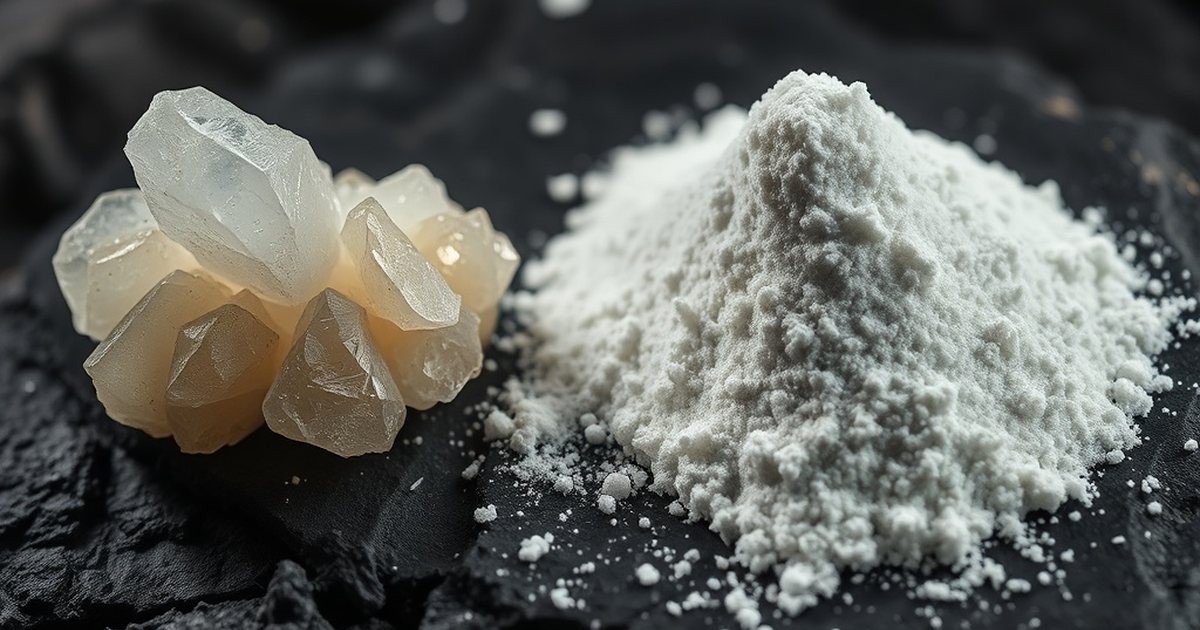
The available human trial data is limited to small-scale investigation of immune markers in a specific population, not evidence of whole-body heavy-metal detoxification or broad immune-boosting effects in the general population. Claims that extend beyond this narrow, single-study finding are not supported by the cited research.
Why Sourcing and Purity Matter More for Zeolite
Because clinoptilolite is a mined mineral rather than a manufactured compound, its purity depends heavily on the specific deposit and how it was processed. Contamination with lead or other heavy metals is a documented concern for mined minerals generally, and this variability means the quality of a zeolite product can differ significantly by source.
Third-party certificate of analysis (COA) verification matters more for zeolite than for many other supplement categories, since there is no standardized purity benchmark tied to the clinical research. Anyone considering a zeolite product should look for current, batch-specific heavy metal testing from an independent lab rather than relying on marketing claims alone.
🛒 Where to Buy Zeolite (Clinoptilolite)

- CleanseParasites Heavy Metal + Microplastics Binder Editor’s Pick
Contains zeolite alongside milk thistle, spirulina, and other binder herbs. - Touchstone Essentials Pure Body Extra Strength Zeolite
liquid, 1 tbsp (15 mL) — Best-known liquid nano-zeolite brand; MLM pricing but widely trusted in alt-health community - BodyBio Zeolite Powder
powder, 1/2 tsp — Practitioner-oriented brand, micronized clinoptilolite powder - Pure Zeolite Zeolite Powder (Ultimate Detox Clay)
powder, 1/4-1 tsp — Budget-friendly micronized powder - Zeo Health ZeoCharge
powder, 1/2 tsp — Long-standing niche zeolite brand, ultra-fine micronized clinoptilolite
As an Amazon Associate we earn from qualifying purchases. Quality varies widely — always choose a product with a published third-party test (COA) before buying.
A Note on the Evidence
The human evidence on zeolite and immune function is limited to one small trial in people with immunodeficiency, not broad or replicated research, and it does not support whole-body detoxification claims; because zeolite is a mined mineral with variable contamination risk, choose products with current third-party heavy metal testing and consult a healthcare provider before use, especially if you have an existing health condition or take medication.This is informational content, not medical advice.
Frequently Asked Questions
Is there solid clinical proof that zeolite boosts the immune system?
No. The main human data point is a single 2004 trial examining immune parameters in people with immunodeficiency, which found measurable effects in that specific population [1]. This is not the same as proof that zeolite boosts immunity broadly in healthy people.
Has the FDA approved zeolite for immune support?
No. The FDA has not evaluated zeolite for any health claim, so any marketing language suggesting FDA-backed immune benefits should be treated skeptically.
How does zeolite supposedly interact with the immune system?
The proposed mechanism centers on ion exchange and adsorption in the gut, where clinoptilolite’s crystal structure binds certain cations. Researchers have studied whether this gut-level activity relates to changes in immune markers, as in the immunodeficiency trial [1], but the pathway from gut binding to systemic immune change is not fully established.

Does zeolite remove heavy metals from the whole body?
Clinical evidence does not support whole-body heavy-metal detoxification claims. The mineral’s binding activity has been studied in the gastrointestinal tract, but this is distinct from proven systemic detox effects.
What should I check before buying a zeolite supplement?
Look for a current third-party certificate of analysis (COA) confirming heavy metal testing, since zeolite is a mined mineral and contamination risk varies by source and processing method. This matters more for zeolite than for many other supplement categories.
Is zeolite safe to take alongside medications?
This has not been addressed by the cited research, and general population safety data is limited. Anyone taking medications or managing a health condition should consult a doctor before adding zeolite, particularly given the sourcing variability noted above.
References
- Ivkovic S et al. Dietary supplementation with the tribomechanically activated zeolite clinoptilolite in immunodeficiency: effects on the immune system. Advances in therapy (2004). PMID 15310086
These statements have not been evaluated by the Food and Drug Administration. This information is not intended to diagnose, treat, cure, or prevent any disease. Content is for informational purposes only and is not medical advice; consult a qualified healthcare provider before starting any supplement. As an Amazon Associate we earn from qualifying purchases.