Zeolite supplements, most often made from a mineral called clinoptilolite, are marketed for gut health and detox support. The pitch is straightforward: a porous mineral lattice that grabs onto certain molecules in the digestive tract. What gets less attention is what that same binding action might do to things you don’t want removed, and what happens when the raw material itself isn’t as clean as advertised.
This article isn’t about whether zeolite works. It’s about what to watch for if you’re already using it or considering it. Most of the direct evidence on clinoptilolite’s physiological effects comes from livestock and lab-animal studies, not human trials, so we’ll be upfront about where the data comes from and what it can and can’t tell you about a person taking a capsule or liquid suspension.
Key Takeaways
- The digestive side effects most commonly reported with zeolite (bloating, constipation) fit its ion-exchange mechanism, though direct human trial data is lacking
- Because clinoptilolite exchanges ions non-selectively, it can plausibly interfere with mineral and nutrient status, an effect documented in livestock feeding studies
- Contamination risk is a structural concern with mined zeolite, not a side effect of the mineral’s action, a third-party COA for heavy metals is the practical safeguard
- The most striking research (neuroprotection, immune protection) comes from animal models with induced toxicity or infection challenges, not general human supplementation
- The FDA has not evaluated zeolite for any health claim, and it should never replace medical treatment for confirmed heavy metal toxicity
The Core Mechanism Behind Both the Appeal and the Risk
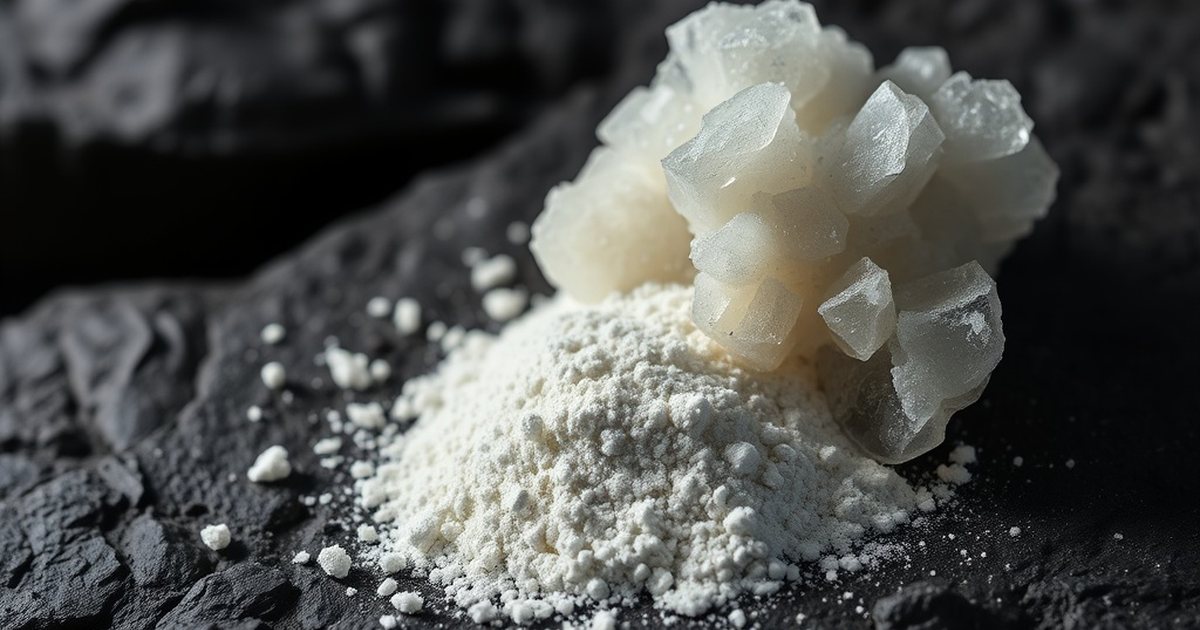
Clinoptilolite’s cage-like crystal structure works through ion exchange and adsorption, meaning it binds cations, charged particles, as they pass through the digestive tract. This is the same mechanism cited for its proposed gut-support and heavy-metal-binding effects. In dairy cattle, feeding clinoptilolite has been shown to change heavy metal concentrations measured in milk, alongside shifts in proinflammatory cytokines like IL-1β and IL-6 and markers of oxidative stress [1].
That same non-selective binding is the reason side effects are plausible in the first place. A mineral that exchanges ions with whatever passes by it isn’t a targeted tool, it interacts with a range of substances, not just the ones you’d want removed. Studies in broiler chickens have also looked at antioxidant status after clinoptilolite supplementation, another signal that this mineral is doing something biologically active in the gut and beyond, not just passing through inertly [2].

Digestive Side Effects: The Most Commonly Reported Category
The most frequently mentioned complaints with zeolite products, anecdotally, are digestive: constipation, bloating, and changes in stool consistency. This tracks with what you’d expect from a fine mineral powder moving through the gut and altering local ion balance. None of the cited animal studies were designed to capture human GI symptom reporting, so we can’t point to a clinical trial quantifying how often this happens in people.
What the livestock research does support is that clinoptilolite measurably shifts markers of gut-related inflammation and mineral status when fed at supplemental levels [1] [3]. If a mineral changes those systemic markers in a controlled feeding study, it’s not a stretch that it can also produce noticeable local digestive effects in people, even though the human clinical picture is thin.
Mineral and Nutrient Interference
Because zeolite works by exchanging ions, one of the more concrete, evidence-backed side-effect concerns is interference with your body’s own mineral status. In neonatal dairy calves, short-term clinoptilolite supplementation in colostrum and milk was shown to change concentrations of several serum minerals [3]. In primiparous dairy cows, prepartum clinoptilolite supplementation affected colostrum quality itself [4].
These are animal studies with animal-specific feeding contexts, they don’t map directly onto a human taking a daily zeolite capsule. But they establish a real, evidence-based mechanism: clinoptilolite doesn’t just sit in the gut, it changes mineral handling in the body. Anyone taking zeolite alongside mineral supplements, or with an existing mineral deficiency or excess (iron, zinc, calcium), should treat that interaction as plausible rather than theoretical, and this is a reasonable thing to flag to a doctor, especially if you’re also on medications that depend on stable gut absorption.

Contamination: The Side Effect That Isn't About the Mineral Itself
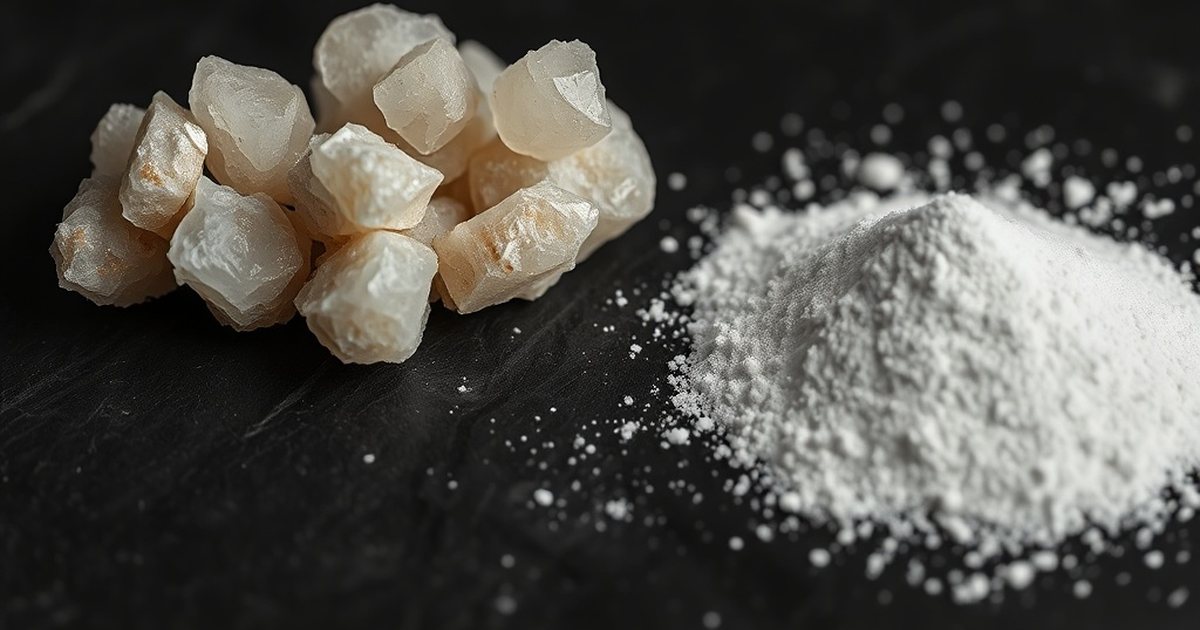
Zeolite is mined, not synthesized, which means the finished product’s safety profile depends heavily on where it was sourced and how it was processed. Because clinoptilolite’s whole appeal rests on its ability to bind heavy metal ions, there’s a real irony risk: a poorly sourced or poorly purified batch can itself carry lead or other heavy metal contamination, the very thing the product claims to remove.
This isn’t a hypothetical raised by the cited studies, it’s a structural fact about mined minerals generally, and it’s the reason third-party Certificate of Analysis (COA) verification matters more for zeolite than for most supplements. A COA testing for heavy metals (lead, arsenic, mercury, cadmium) from an independent lab is the practical way to check this before buying, not something you can verify from the label alone.
What the Limited Mechanistic and Animal Research Suggests
Beyond the gut, there’s early mechanistic research looking at zeolite in the context of protecting against metal-driven damage elsewhere in the body. A rat model of manganese-induced Parkinson’s disease found that micronized zeolite clinoptilolite, combined with the compound punicalagin, showed neuroprotective effects across several biological pathways [5]. Zinc-bearing clinoptilolite has also been studied in broilers challenged with Salmonella pullorum, where it showed protective effects related to immune response [6].
These studies are genuinely interesting for understanding how clinoptilolite interacts with metals and immune signaling, but they are not evidence that zeolite prevents Parkinson’s disease or infection in humans, or that it’s safe at the doses and durations people actually use as a supplement. A rat model exposed to induced manganese toxicity and a chicken challenged with a specific pathogen are both a long way from someone taking a daily zeolite liquid for general gut support. Treat this research as a description of biological plausibility, not a safety or efficacy verdict for human supplementation.

Who Should Be Most Cautious
Given the ion-exchange mechanism and the contamination risk specific to mined minerals, a few groups warrant extra caution: anyone with kidney impairment (reduced ability to clear excess minerals or trace contaminants), anyone on medications with a narrow therapeutic window or that depend on consistent gut absorption, pregnant or breastfeeding people (none of the cited evidence involves human pregnancy), and anyone relying on zeolite as a substitute for medical treatment of actual heavy metal toxicity, which requires diagnosis and, when indicated, chelation therapy under medical supervision, not an unregulated mineral supplement.
🛒 Where to Buy Zeolite (Clinoptilolite)
- CleanseParasites Heavy Metal + Microplastics Binder Editor’s Pick
Contains zeolite alongside milk thistle, spirulina, and other binder herbs. - Touchstone Essentials Pure Body Extra Strength Zeolite
liquid, 1 tbsp (15 mL) — Best-known liquid nano-zeolite brand; MLM pricing but widely trusted in alt-health community - BodyBio Zeolite Powder
powder, 1/2 tsp — Practitioner-oriented brand, micronized clinoptilolite powder - Pure Zeolite Zeolite Powder (Ultimate Detox Clay)
powder, 1/4-1 tsp — Budget-friendly micronized powder - Zeo Health ZeoCharge
powder, 1/2 tsp — Long-standing niche zeolite brand, ultra-fine micronized clinoptilolite
As an Amazon Associate we earn from qualifying purchases. Quality varies widely — always choose a product with a published third-party test (COA) before buying.

A Note on the Evidence
This article is informational, not medical advice; the evidence cited is largely from livestock and animal-model research, not human clinical trials, so real-world human side effects and doses aren’t well characterized. Anyone with kidney issues, who is pregnant or breastfeeding, on other medications, or considering zeolite for actual heavy metal exposure should consult a doctor first.
Frequently Asked Questions
Can zeolite cause constipation or digestive upset?
This is the most commonly reported complaint with zeolite products, consistent with a fine mineral powder altering gut ion balance and slowing transit. There isn’t a human clinical trial quantifying how often this occurs, so treat it as a plausible, commonly reported effect rather than a documented statistic.
Does zeolite interfere with mineral absorption?
Animal research shows clinoptilolite supplementation changes serum mineral concentrations in calves [3] and affects colostrum quality in dairy cows [4]. This supports the general concern that zeolite’s ion-exchange action can affect mineral status, worth discussing with a doctor if you take mineral supplements or medications.
Is zeolite itself ever contaminated with heavy metals?
Because zeolite is a mined mineral, contamination varies by source and processing, and this risk exists independent of the studies cited here. Third-party COA testing for lead and other heavy metals is the practical way to check a specific product before use.

Does zeolite have proven detox benefits in humans?
The FDA has not evaluated zeolite for any health claim, and clinical evidence in humans is limited to small trials on gut and immune markers, not whole-body heavy-metal detoxification. The most detailed heavy-metal and inflammatory-marker data available come from dairy cattle studies [1], not human trials.
Are the neuroprotective claims about zeolite backed by human research?
No. The relevant study is a rat model of manganese-induced Parkinson’s disease using zeolite combined with punicalagin [5]. It’s mechanistically interesting but doesn’t establish neuroprotective effects in humans taking an oral zeolite supplement.
Who should avoid zeolite or check with a doctor first?
People with kidney impairment, those on medications with narrow therapeutic windows, pregnant or breastfeeding individuals, and anyone considering zeolite as a substitute for medically supervised treatment of diagnosed heavy metal toxicity should talk to a doctor before use.
References
- Kurtdede E et al. Effects of clinoptilolite on heavy metal levels in milk, proinflammatory cytokine responses (IL-1β and IL-6) and oxidative stress in dairy cows. Acta veterinaria Hungarica (2022). PMID 36350569
- Wu Y et al. Effects of clinoptilolite on growth performance and antioxidant status in broilers. Biological trace element research (2013). PMID 23949793
- Mohri M et al. Effects of short-term supplementation of clinoptilolite in colostrum and milk on the concentration of some serum minerals in neonatal dairy calves. Biological trace element research (2008). PMID 18317705
- Stojić M et al. Effects of oral supplementation with organically modified clinoptilolite during prepartum period on colostrum quality in primiparous dairy cows. The Journal of dairy research (2020). PMID 33261672
- Abu-Elfotuh K et al. Neuroprotective effects of punicalagin and/or micronized zeolite clinoptilolite on manganese-induced Parkinson's disease in a rat model: Involvement of multiple pathways. CNS neuroscience & therapeutics (2024). PMID 39374157
- Wang LC et al. Protective effects of zinc-bearing clinoptilolite on broilers challenged with Salmonella pullorum. Poultry science (2012). PMID 22802176
These statements have not been evaluated by the Food and Drug Administration. This information is not intended to diagnose, treat, cure, or prevent any disease. Content is for informational purposes only and is not medical advice; consult a qualified healthcare provider before starting any supplement. As an Amazon Associate we earn from qualifying purchases.