Zeolite and chlorella are two of the most commonly recommended supplements for people worried about heavy metal exposure, and they’re often marketed as interchangeable or even complementary. In practice they are structurally and mechanistically very different substances, one is a mined mineral with a rigid crystal lattice, the other is a single-celled freshwater alga, and the evidence base behind each is thin in different ways.
This article lays out what clinoptilolite zeolite and chlorella actually are, what’s plausible about how they might interact with metals in the gut, and where the evidence stops. Neither should be understood as a proven ‘detox’ solution, and this is informational content, not medical advice.
Key Takeaways
- Zeolite (clinoptilolite) is a mined aluminosilicate mineral that binds cations through ion exchange in its crystal lattice; this property is used in analytical chemistry to capture trace metals like zinc [1]
- Chlorella is a freshwater algae with a proposed cell-wall binding mechanism that is mechanistically distinct from zeolite; no chlorella-specific human evidence is cited in this article
- Human clinical evidence for either substance’s whole-body heavy-metal detoxification claims is limited to small trials on gut/immune markers plus one placebo-controlled zeolite trial showing reduced absorption of co-ingested lead[2], not proven metal clearance
- The FDA has not evaluated zeolite (or chlorella) for any health claim
- Because zeolite is mined, contamination risk varies by source, making third-party COA verification especially important
What Zeolite Actually Is
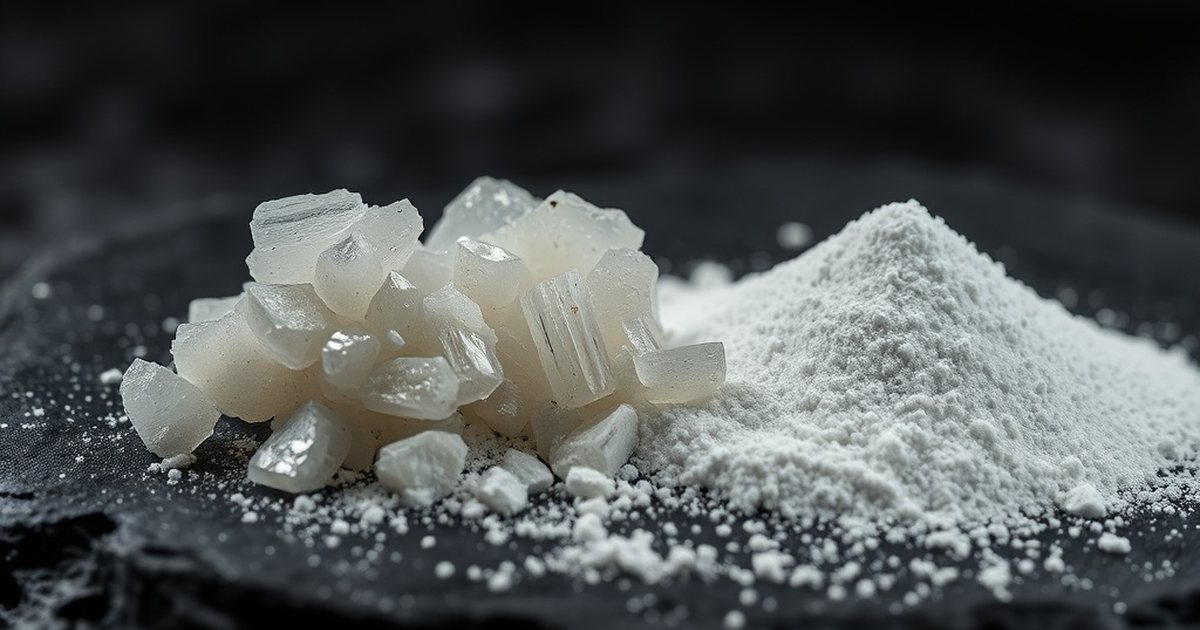
Clinoptilolite is a naturally occurring aluminosilicate mineral, meaning it’s built from aluminum, silicon, and oxygen arranged into a cage-like crystal lattice with negatively charged channels running through it. Those channels attract and hold positively charged ions (cations), including some heavy metal ions and ammonium, through a chemical process called ion exchange, along with simple surface adsorption where particles stick to the mineral’s large internal surface area.
This ion-exchange property is well established in industrial and analytical chemistry contexts, not just supplement marketing. For example, researchers have used modified clinoptilolite zeolite as a preconcentration step to capture trace amounts of zinc before measuring it with flame atomic absorption spectrometry [1]. That kind of study demonstrates the mineral’s capacity to bind specific metal ions under controlled lab conditions, which is a meaningfully different thing from proving that swallowing zeolite powder binds toxic metals in a living human gut and safely removes them from the body.

What Chlorella Actually Is
Chlorella is a genus of single-celled green freshwater algae, sold as a whole-food supplement in tablet, powder, or capsule form. Its proposed mechanism for interacting with metals is entirely different from zeolite’s: chlorella’s cell wall contains proteins, polysaccharides, and other components that some researchers have hypothesized could bind metal ions, and it’s frequently marketed for gut and general wellness support alongside chlorophyll and micronutrient content.
It is worth being direct about how lopsided the evidence is, because it is not lopsided in the direction the marketing for either product suggests. Zeolite has one genuinely relevant human result: a randomised, placebo-controlled, double-blind trial in 42 healthy adults used a stable lead isotope as a tracer and found that taking purified clinoptilolite tuff at the same time cut absorption of that swallowed lead by roughly 90%[2]. Chlorella has no equivalent. Searching the trial literature for chlorella alongside lead, mercury or cadmium returns a handful of randomised studies, and none of them measured metal levels in people at all; they looked at cycling performance, blood lipids and livestock growth. So the honest comparison is not “which one clears metals better” but “one of these has been tested on a metal-related endpoint in humans and the other has not”. Even that one tested only blocking uptake of lead swallowed with the dose, which is a different thing from removing lead already stored in bone and organs.
Mechanism Comparison: Ion Exchange vs Biological Binding
Zeolite’s binding mechanism is a physical and chemical property of its mineral structure, ion exchange within a fixed lattice. This is the same basic principle used industrially to pull trace metals out of solutions for measurement, as shown in the zinc preconcentration work [1]. The mineral doesn’t discriminate perfectly, it can bind various cations including some beneficial minerals alongside any target metals, and it isn’t metabolized or altered by digestion the way a biological material would be.
Chlorella’s proposed mechanism, by contrast, relies on biological and cellular structures, its cell wall and internal components, rather than a rigid inorganic lattice. This is a fundamentally different chemistry, and it means findings about one substance’s binding behavior can’t be extrapolated to the other. Neither mechanism has been validated in adequately powered human trials measuring whole-body heavy metal clearance, and it’s a significant leap from ‘binds a metal ion in a lab beaker or industrial column’ to ‘safely reduces heavy metal burden in a human body.’

Where the Human Evidence Actually Stands
For zeolite, the human clinical literature is limited to small trials looking at gut and immune markers plus one placebo-controlled zeolite trial showing reduced absorption of co-ingested lead[2], not whole-body heavy-metal detoxification. The evidence cited here, the zinc preconcentration study [1], is analytical chemistry methodology, useful for confirming that clinoptilolite has real ion-binding properties, but it says nothing about oral zeolite supplementation reducing metal levels in humans.
The FDA has not evaluated zeolite for any health claim, and the same caution applies broadly to detox-marketed supplements in this space, including chlorella. If you see a product claiming clinically proven ‘heavy metal detox’ from either substance, that claim is running well ahead of the available evidence, and you should be skeptical of specific percentage or speed claims that aren’t backed by cited human trials.
Sourcing and Contamination: A Bigger Concern for Zeolite
Because zeolite is a mined mineral, contamination with lead or other heavy metals varies significantly by source, deposit, and processing method. This is a more pressing practical concern than most supplements face, you’re taking a product whose entire selling point is binding metals, sourced from the earth, where the raw material itself can carry metal contamination if not properly screened and purified.
This makes third-party certificate of analysis (COA) verification more important for zeolite products than it is for most other supplement categories. A reputable zeolite supplier should be able to provide a current COA showing heavy metal testing results specific to the batch you’re purchasing, not just a generic company-wide statement. Chlorella, as an algae grown in water, can also accumulate contaminants from its growing environment, so sourcing transparency matters for it too, though through a different pathway (water quality and cultivation conditions rather than mineral deposit purity).

Practical Takeaway: Neither Is a Substitute for Medical Care
If you have a documented heavy metal exposure or suspected toxicity, whether from lead, mercury, arsenic, or another source, the appropriate path is medical evaluation, including blood or urine testing and, where indicated, chelation therapy supervised by a physician. Zeolite and chlorella are not medical treatments for confirmed heavy metal poisoning, and using them in place of proper diagnosis and care carries real risk.
Where these products may reasonably fit is as part of a general gut-support or wellness routine, based on their plausible mechanisms, rather than as a targeted detox protocol with guaranteed outcomes. If you choose to try either, prioritize third-party tested products, start with a lower dose to assess tolerance, and talk to a healthcare provider first if you’re pregnant, nursing, have kidney disease, or take medications that could interact with mineral or gut absorption changes.
🛒 Where to Buy Zeolite (Clinoptilolite)
- CleanseParasites Heavy Metal + Microplastics Binder Editor’s Pick
Contains zeolite alongside milk thistle, spirulina, and other binder herbs. - Touchstone Essentials Pure Body Extra Strength Zeolite
liquid, 1 tbsp (15 mL) — Best-known liquid nano-zeolite brand; MLM pricing but widely trusted in alt-health community - BodyBio Zeolite Powder
powder, 1/2 tsp — Practitioner-oriented brand, micronized clinoptilolite powder - Pure Zeolite Zeolite Powder (Ultimate Detox Clay)
powder, 1/4-1 tsp — Budget-friendly micronized powder - Zeo Health ZeoCharge
powder, 1/2 tsp — Long-standing niche zeolite brand, ultra-fine micronized clinoptilolite
As an Amazon Associate we earn from qualifying purchases. Quality varies widely — always choose a product with a published third-party test (COA) before buying.

A Note on the Evidence
This article is informational, not medical advice. Human evidence for zeolite and chlorella’s heavy-metal detoxification claims is limited and largely indirect; anyone with suspected heavy metal toxicity, kidney disease, or who is pregnant or nursing should consult a physician before using either product, and should prioritize third-party tested sources given known contamination variability in mined zeolite.
Frequently Asked Questions
Is zeolite or chlorella better for heavy metal detox?
Neither has strong human clinical evidence proving whole-body heavy metal detoxification. Zeolite’s ion-exchange binding property is demonstrated in analytical chemistry contexts like trace zinc preconcentration [1], but that doesn’t establish detox efficacy in humans, and no equivalent evidence for chlorella is included here.
Can I take zeolite and chlorella together?
There’s no clinical evidence establishing safety or added benefit from combining them, and since both are marketed similarly you’d be stacking two unproven approaches rather than one. If you want to try either, introduce one at a time and talk to a healthcare provider first.
Does zeolite actually bind heavy metals in the body?
Zeolite’s crystal structure is documented to bind cations through ion exchange, this is used industrially, including a method that preconcentrated trace zinc before lab measurement [1]. Whether that translates into meaningful metal removal from a living human gut has not been established in adequate clinical trials.

Is zeolite safe to take regularly?
Because zeolite is a mined mineral, contamination with lead or other heavy metals varies by source and processing, so safety depends heavily on the specific product’s purity. Always check for a current third-party certificate of analysis before regular use, and consult a doctor if you have kidney issues or take other medications.
Should I use zeolite or chlorella instead of medical treatment for heavy metal poisoning?
No. If you have a confirmed or suspected heavy metal exposure, medical evaluation and, if needed, physician-supervised chelation therapy is the appropriate path. These supplements are not substitutes for diagnosed toxicity treatment.
What does the research on zeolite actually study?
The cited evidence here is a 2008 analytical chemistry study using modified clinoptilolite zeolite to preconcentrate trace zinc for measurement by flame atomic absorption spectrometry [1], it demonstrates the mineral’s ion-binding chemistry, not human supplementation outcomes.
References
- Hajialigol S et al. Determination of trace amounts of zinc by flame atomic absorption spectrometry after preconcentration with modified clinoptilolite zeolite. Journal of AOAC International (2008). PMID 19202807
- Samekova et al. Concomitant oral intake of purified clinoptilolite tuff (G-PUR) reduces enteral lead uptake in healthy humans. Sci Rep (2021). PMID 34285282
These statements have not been evaluated by the Food and Drug Administration. This information is not intended to diagnose, treat, cure, or prevent any disease. Content is for informational purposes only and is not medical advice; consult a qualified healthcare provider before starting any supplement. As an Amazon Associate we earn from qualifying purchases.